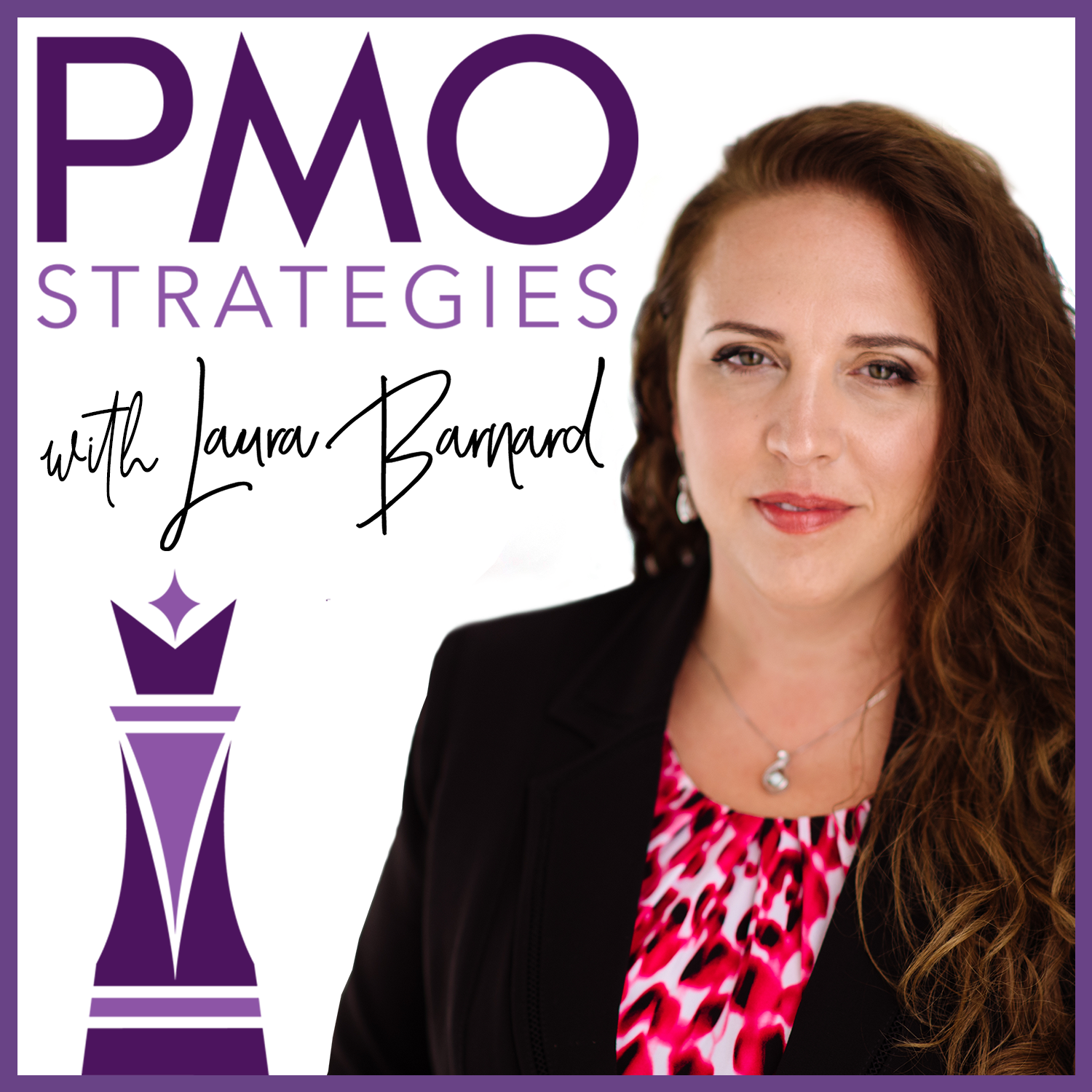
012: Realizing the Potential Value of PPM with Lee Lambert episode artwork

EPISODE · Aug 26, 2019 · 52 MIN

012: Realizing the Potential Value of PPM with Lee Lambert

from PMO Strategies

PMI Talent Triangle: Power Skills (Leadership) Welcome to the PMO Strategies Podcast + Blog, where PMO leaders become IMPACT Drivers! Today, we are talking to one of my favorite people in the entire world, Lee Lambert. Lee and I go way back to my early career as a board member of PMI chapters, around 2004. Lee is one of the founders of the PMP, and a PMI fellow, with over 50 years of experience. That's right, five zero years of experience. He has held executive level positions and provided management consulting support to companies such as IBM, Motorola, General Electric, Sprint, Roche, and a plethora of government agencies. As an instructor, he has addressed over 50 thousand students in 23 countries, and was named PMI's professional development provider of the year. Lee is back again this year, to be a part of the 2019 PMO IMPACT Summit. Lee's session is all about project portfolio management. He's going to thoroughly examine the methods of realizing the potential value of project portfolio management, and explain why that is the thread that holds management and projects together. He's going to dive deep into that in his session as a part of the Summit. Learn the best-kept secrets to creating a PMO that drives IMPACT.  Join us for the PMO IMPACT Summit.Register for FreeLaura Barnard: Today Lee is going to talk a little bit about the whys and the big picture, and how people think about how they should be leveraging project portfolio management, what's available to them, and what opportunities we might be missing. Lee Lambert: That's correct. I really want to talk a little bit about the power of the process and then maybe what's available in the process. I'll use an example of a small company some of you are probably familiar with, IBM. Lee: When I had an opportunity to go work with IBM in 1993, this is when they were in ... They were struggling. They were projecting an eight billion dollar loss that year. That's when they brought in Lou Gerstner. Lou Gerstner had an interesting background, credit cards and tobacco, so how he was qualified for IBM, I learned later was because he thinks holistically. He came in and immediately put out a, well we'll call it an edict, that project management was going to be implemented and it's going to become the thread that held the entire organization together. What he found was that there were far too many projects being planned and scheduled and approved, far more than they had people to execute them, far more than they had the time to get through them. He eliminated hundreds, literally hundreds of projects, and to focus on those that were going to deliver the most value for the organization. It took about three years for people to realize he wasn't kidding, and really begin to focus. They established a center that we now refer to as a PMO, but they called it the Project Management Center of Excellence. They controlled the information development and training. At the end of three years, they had a very tightly integrated system. If they wanted to look at manpower loadings across time, if they wanted to look at where their costs were divided, where they were spending their money, all of that was available upon request. The value of the enterprise application is that if somebody decides that they need a certain kind of information to support their decisions, they can get it; it's there. It's in the system and it's available to get there. The standardized reports are dangerous, because you can end up with way more information than you need, information that doesn't really support the system that you're going to be using. IBM was the leader in this area. If you watched any of the stuff that Laura does, I met her when she was just a child. She was seven or eight years old. If you look at what she's doing with her organization, she's really highlighting what it is we've been trying to convince people of for years, is that the information to support the decisions is there.

PMI Talent Triangle: Power Skills (Leadership) Welcome to the PMO Strategies Podcast + Blog, where PMO leaders become IMPACT Drivers! Today, we are talking to one of my favorite people in the entire world, Lee Lambert. Lee and I go way back to my early career as a board member of PMI chapters, around 2004. Lee is one of the founders of the PMP, and a PMI fellow, with over 50 years of experience. That's right, five zero years of experience. He has held executive level positions and provided management consulting support to companies such as IBM, Motorola, General Electric, Sprint, Roche, and a plethora of government agencies. As an instructor, he has addressed over 50 thousand students in 23 countries, and was named PMI's professional development provider of the year. Lee is back again this year, to be a part of the 2019 PMO IMPACT Summit. Lee's session is all about project portfolio management. He's going to thoroughly examine the methods of realizing the potential value of project portfolio management, and explain why that is the thread that holds management and projects together. He's going to dive deep into that in his session as a part of the Summit. Learn the best-kept secrets to creating a PMO that drives IMPACT.  Join us for the PMO IMPACT Summit.Register for FreeLaura Barnard: Today Lee is going to talk a little bit about the whys and the big picture, and how people think about how they should be leveraging project portfolio management, what's available to them, and what opportunities we might be missing. Lee Lambert: That's correct. I really want to talk a little bit about the power of the process and then maybe what's available in the process. I'll use an example of a small company some of you are probably familiar with, IBM. Lee: When I had an opportunity to go work with IBM in 1993, this is when they were in ... They were struggling. They were projecting an eight billion dollar loss that year. That's when they brought in Lou Gerstner. Lou Gerstner had an interesting background, credit cards and tobacco, so how he was qualified for IBM, I learned later was because he thinks holistically. He came in and immediately put out a, well we'll call it an edict, that project management was going to be implemented and it's going to become the thread that held the entire organization together. What he found was that there were far too many projects being planned and scheduled and approved, far more than they had people to execute them, far more than they had the time to get through them. He eliminated hundreds, literally hundreds of projects, and to focus on those that were going to deliver the most value for the organization. It took about three years for people to realize he wasn't kidding, and really begin to focus. They established a center that we now refer to as a PMO, but they called it the Project Management Center of Excellence. They controlled the information development and training. At the end of three years, they had a very tightly integrated system. If they wanted to look at manpower loadings across time, if they wanted to look at where their costs were divided, where they were spending their money, all of that was available upon request. The value of the enterprise application is that if somebody decides that they need a certain kind of information to support their decisions, they can get it; it's there. It's in the system and it's available to get there. The standardized reports are dangerous, because you can end up with way more information than you need, information that doesn't really support the system that you're going to be using. IBM was the leader in this area. If you watched any of the stuff that Laura does, I met her when she was just a child. She was seven or eight years old. If you look at what she's doing with her organization, she's really highlighting what it is we've been trying to convince people of for years, is that the information to support the decisions is ther...

NOW PLAYING

012: Realizing the Potential Value of PPM with Lee Lambert

0:00 52:47

No transcript for this episode yet

We transcribe on demand. Request one and we'll notify you when it's ready — usually under 10 minutes.

The Small Business Startup School – Business Notes | Financial Literacy | Retail Psychology – For Professionals & Entrepreneurs The Small Business Startup School Inc. Starting or buying a small business? While personal circumstances may vary, business patterns remain timeless. On The Small Business Startup School, we explore strategies, insights, and practical solutions to help entrepreneurs confidently navigate their journey.Hosted by Ola Williams—a retail entrepreneur, fintech founder, and financial coach with over two decades of experience—this podcast marries financial awareness and retail psychology with optimism to deliver actionable takeaways.Join us to learn, grow, and connect as we uncover the keys to business success.Let’s continue to learn together and be encouraged to keep on connecting! PodQuesting Dwight J Randolph- WolfShield Media PodQuesting: -By WolfShield Media and Dwight J RandolphJoin us on an exciting journey to master the world of fiction podcasting! At PodQuesting, we document our quest to improve and innovate, sharing valuable insights, strategies, and behind-the-scenes tips along the way. Whether you're an experienced podcaster or just starting your first show, our podcast is your go-to resource for everything podcasting.Discover practical advice, creative techniques, and lessons from our own experiences as we explore the ever-evolving podcasting landscape. Ready to level up your skills and embark on this adventure with us? Tune in and join the quest!Have questions or feedback? Reach out to us at [email protected] and visit our website:WolfShield.Media Kaizen Blueprint Aldo Chandra "Kaizen" is a Japanese term for continuous improvement. This podcast provides a blueprint to learn about health, wealth, relationships and everything else in between. Through our podcast, we strive to inspire, educate, and motivate our audience to cultivate a mindset of lifelong learning, productivity, and personal development. By sharing insights, strategies, and practical tips, we aim to guide listeners on their journey towards realizing their fullest potential, fostering success, and creating lasting positive change. The Lee Olsen Show Lee Olsen CJF I want to help you improve all areas of your life by 3 types of podcasts!👉Blood, Sweat & Blessings-Interviews of normal people that have achieved BIG things!👉Series!!! For Love of the Horse- Brad Jackman DVM & Lee Olsen CJF, how to help your horse!👉Business Tips- Proven Life Changing Business Strategies with Lee Olsen

Frequently Asked Questions

How long is this episode of PMO Strategies?

This episode is 52 minutes long.

When was this PMO Strategies episode published?

This episode was published on August 26, 2019.

What is this episode about?

PMI Talent Triangle: Power Skills (Leadership) Welcome to the PMO Strategies Podcast + Blog, where PMO leaders become IMPACT Drivers! Today, we are talking to one of my favorite people in the entire world, Lee Lambert. Lee and I go way back to my...

Can I download this PMO Strategies episode?

Yes, you can download this episode by clicking the download button on the episode player, or subscribe to the podcast in your preferred podcast app for automatic downloads.
URL copied to clipboard!