
EPISODE · Jan 5, 2026 · 11 MIN
14. Should I Try a Salt Substitute?
from Elton’s Stroke Story: The Surprising Science of Recovery and Prevention · host Elton Sherwin
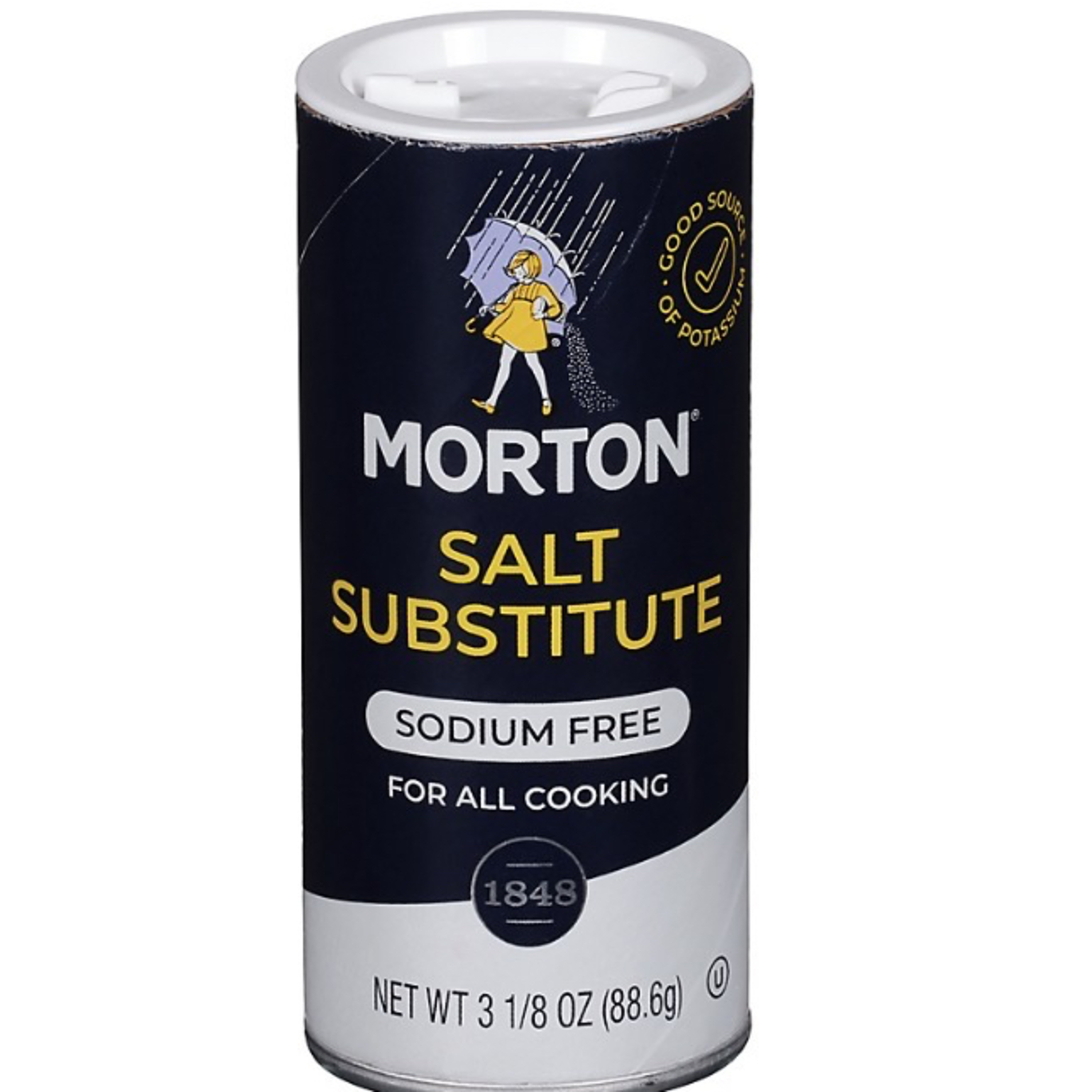
From Gemini:These are the most common brand names for salt substitutes, categorized by their potassium/sodium content. 100% Potassium (Sodium-Free)These products contain 0% sodium. They are made almost entirely of potassium chloride (KCl) to mimic the salty taste without the sodium. They are typically labeled as "Sodium Free" or "Salt Substitute."* Nu-Salt* Description: One of the most widely available sodium-free options. It is visually very similar to table salt.* NoSalt (Original)* Description: A major competitor to Nu-Salt, also potassium chloride-based and sodium-free.* Morton Salt Substitute* Description: The sodium-free version from the famous salt brand (distinct from their "Lite" salt).* MySalt* Description: A sodium-free substitute that sometimes uses lysine (an amino acid) in addition to potassium to mask the metallic aftertaste some people experience with pure potassium chloride. 50% Potassium / 50% Sodium (Lite Salts)These products are a blend of half regular table salt (sodium chloride) and half potassium chloride. They are designed to taste exactly like real salt while cutting sodium intake by half.* Morton Lite Salt* Description: The most common 50/50 blend in the US. The package explicitly states it contains "50% less sodium than regular table salt" and is a blend of equal parts.* Windsor Half Salt* Description: A very common brand in Canada (and available online in the US). It is explicitly a half-and-half blend.Notable Mention: Low-Sodium Blends (Not exactly 50/50)While the user asked for 50% mixes, one major brand is widely available but uses a different ratio that is important to know:* LoSalt* Ratio: 66% Potassium / 33% Sodium* Description: This is a very popular "lite" salt (especially in the UK and increasingly in the US) that actually has less sodium than the 50/50 blends. Because it retains some real sodium (33%), it avoids the metallic taste of the 100% potassium versions but offers more sodium reduction than Morton Lite Salt.Important Health NoteConsult your doctor before using these:If you have kidney disease, heart failure, or are taking certain medications (like ACE inhibitors or potassium-sparing diuretics), consuming high amounts of potassium can be dangerous. Always check with a healthcare provider before switching to a potassium-based salt substitute.
Embed this episode
Ready to play
14. Should I Try a Salt Substitute?
No transcript for this episode yet
Similar Episodes
No similar episodes found.
Similar Podcasts
No similar podcasts found.