
EPISODE · Mar 19, 2024 · 2H
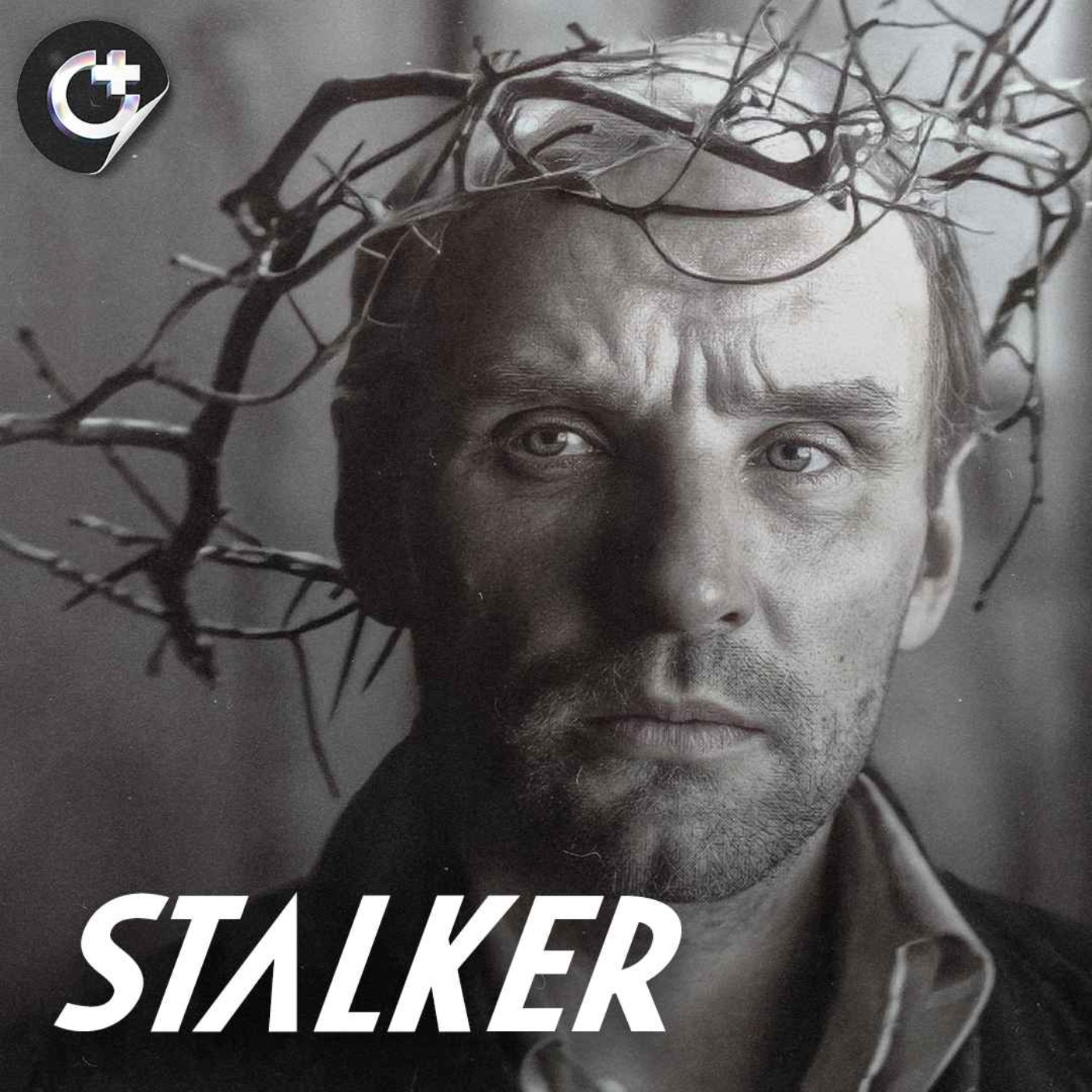
#143 - Andrei Tarkovsky's Stalker - Interpreting the Labyrinth of Desire and Danger
from The Cinedicate: Film & TV Podcast
We’ll explore the intricate details of Tarkovsky's work, his refusal to adhere to genre conventions and the haunting beauty found in unexpected locations. Our exchange will also touch upon the drastic differences "Stalker" showcases from the original novel and how this film transforms into a fantasy-like odyssey. Mike weighs in on Tarkovsky’s storytelling approach, emphasizing time and pacing over mechanics, while Diego reflects on the thematic resonance and the spiritual cautions against materialism.Our chat takes a somber turn as we delve into the toxic filming environment that tragically mirrored the bleakness on screen and consider Tarkovsky’s own tragically short life. We juxtapose the societal implications of his films against the backdrop of the USSR’s industrial progression, and touch on what could have been Tarkovsky's perspectives if he had witnessed events like the Chernobyl disaster.----------Episode Chapters:00:00 Introduction01:09 Protagonist guides through danger, becomes spiritual.10:53 Finding meaning in everyday things.14:16 Visible to invisible danger, stakes are obfuscated.20:21 Tarkovsky's deliberate pacing clashed with Soviet expectations.25:42 Societal confusion, modern world complexity.33:30 Tarkovsky's view on science and Marxism's impact on society.36:09 USSR's view on waste and aesthetics.43:26 Film manipulation creates cynicism towards beauty.45:13 Perceptions of beauty in Russia.54:41 Shift from rapid development to ethical construction.57:10 Chernobyl: amateur mistakes, leadership failure, lack of education.01:01:48 Societal development at the cost of human lives.01:08:11 Science exploring inner mind.01:14:42 Struggle with modern life, yearning for simplicity.01:17:47 Centralized development.01:23:34 Comparison of fantasy and science fiction storytelling (Solaris & LotR.)01:33:49 Creativity is about personal exploration.01:39:12 Stalker demands the viewer's attention.01:43:58 Tarkovsky: Start with "The Mirror" or "Ivan's Childhood," then consider "Stalker."01:47:39 View Solaris before Stalker for context on deep ideas.01:53:14 Nostalgia and time.01:56:55 Chicken nuggets, Debating on next film, and Outro.----------The Cinedicate on InstagramThe Cinedicate's Discord Community Hosted on Acast. See acast.com/privacy for more information.
What this episode covers
We’ll explore the intricate details of Tarkovsky's work, his refusal to adhere to genre conventions and the haunting beauty found in unexpected locations. Our exchange will also touch upon the drastic differences "Stalker" showcases from the original novel and how this film transforms into a fantasy-like odyssey. Mike weighs in on Tarkovsky’s storytelling approach, emphasizing time and pacing over mechanics, while Diego reflects on the thematic resonance and the spiritual cautions against materialism.Our chat takes a somber turn as we delve into the toxic filming environment that tragically mirrored the bleakness on screen and consider Tarkovsky’s own tragically short life. We juxtapose the societal implications of his films against the backdrop of the USSR’s industrial progression, and touch on what could have been Tarkovsky's perspectives if he had witnessed events like the Chernobyl disaster.----------Episode Chapters:00:00 Introduction01:09 Protagonist guides through danger, becomes spiritual.10:53 Finding meaning in everyday things.14:16 Visible to invisible danger, stakes are obfuscated.20:21 Tarkovsky's deliberate pacing clashed with Soviet expectations.25:42 Societal confusion, modern world complexity.33:30 Tarkovsky's view on science and Marxism's impact on society.36:09 USSR's view on waste and aesthetics.43:26 Film manipulation creates cynicism towards beauty.45:13 Perceptions of beauty in Russia.54:41 Shift from rapid development to ethical construction.57:10 Chernobyl: amateur mistakes, leadership failure, lack of education.01:01:48 Societal development at the cost of human lives.01:08:11 Science exploring inner mind.01:14:42 Struggle with modern life, yearning for simplicity.01:17:47 Centralized development.01:23:34 Comparison of fantasy and science fiction storytelling (Solaris & LotR.)01:33:49 Creativity is about personal exploration.01:39:12 Stalker demands the viewer's attention.01:43:58 Tarkovsky: Start with "The Mirror" or "Ivan's Childhood," then consider "Stalker."01:47:39 View Solaris before Stalker for context on deep ideas.01:53:14 Nostalgia and time.01:56:55 Chicken nuggets, Debating on next film, and Outro.----------The Cinedicate on InstagramThe Cinedicate's Discord Community Hosted on Acast. See acast.com/privacy for more information.
NOW PLAYING
#143 - Andrei Tarkovsky's Stalker - Interpreting the Labyrinth of Desire and Danger
No transcript for this episode yet
Similar Episodes
No similar episodes found.
Similar Podcasts
No similar podcasts found.