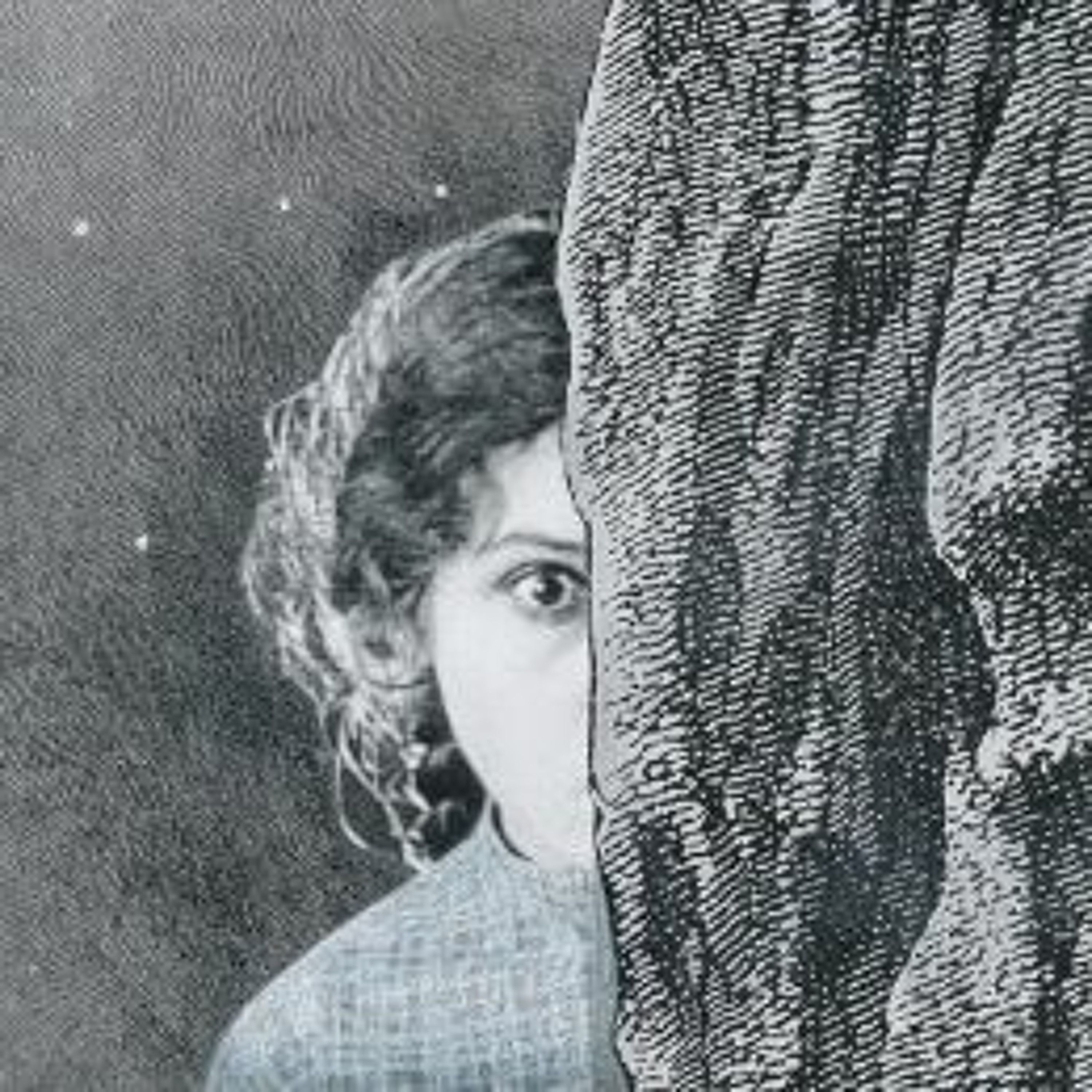
200. Introduction episode artwork

EPISODE · Feb 5, 2021 · 1 MIN

200. Introduction

from George Eastman Museum · host George Eastman Museum

This audio tour has been made possible in part by the National Endowment for the Humanities: NEH CARES. Any views, findings, conclusions, or recommendations expressed in this audio, do not necessarily represent those of the NEH. Transcript My name is Stacey Steers and I am the multi-disciplinary artist behind the work in Night Reels. Over the trajectory of my career the focus of my art practice has been experimental animation. I create my films by hand, like many artisans, in a way that harkens back to the early history of animation. For years I drew my animated films, but around 2000 I began to feel that the expressive quality of my drawing style was too confining and I began to search for a more neutral way to work with images. I decided to try my hand at collage animation, a form I was familiar with through the work of Larry Jordan and others. I decided to try creating collages by combining antique photographic materials or film stills with fragments of 19th century engravings and illustrations. Each collage is small, usually 4 x 5.5 inches, and I photograph them in sequence on an old animation stand using 35mm film. I have to make huge numbers of these works on paper to create a film, usually 8 unique images for each second of screen time. It’s a very obsessive, labor-intensive process. As an experimental filmmaker, I’m always looking beyond the conventions of narrative filmmaking and I try to explore a different sort of cinematic language. I like to try to leave room for the audience to have their own relationship to the images and ideas.

This audio tour has been made possible in part by the National Endowment for the Humanities: NEH CARES. Any views, findings, conclusions, or recommendations expressed in this audio, do not necessarily represent those of the NEH. Transcript My name is Stacey Steers and I am the multi-disciplinary artist behind the work in Night Reels. Over the trajectory of my career the focus of my art practice has been experimental animation. I create my films by hand, like many artisans, in a way that harkens back to the early history of animation. For years I drew my animated films, but around 2000 I began to feel that the expressive quality of my drawing style was too confining and I began to search for a more neutral way to work with images. I decided to try my hand at collage animation, a form I was familiar with through the work of Larry Jordan and others. I decided to try creating collages by combining antique photographic materials or film stills with fragments of 19th century engravings and illustrations. Each collage is small, usually 4 x 5.5 inches, and I photograph them in sequence on an old animation stand using 35mm film. I have to make huge numbers of these works on paper to create a film, usually 8 unique images for each second of screen time. It’s a very obsessive, labor-intensive process. As an experimental filmmaker, I’m always looking beyond the conventions of narrative filmmaking and I try to explore a different sort of cinematic language. I like to try to leave room for the audience to have their own relationship to the images and ideas.

NOW PLAYING

200. Introduction

0:00 1:33

No transcript for this episode yet

We transcribe on demand. Request one and we'll notify you when it's ready — usually under 10 minutes.

PMA: Sculpture Garden - Art Tours Philadelphia Museum of Art The Sculpture,Garden presents a superb and versatile outdoor setting for the appreciation of art, offering a lively experience of sculpture for both the casual passerby and devoted art lovers. Gracefully integrated into the existing landscape, the Sculpture,Garden extends the Museum’s vast galleries to the outdoors while strengthening the Museum’s connections to the city and Fairmount Park. Its pathways and vistas, green space, and water feature create a variety of spaces for art while maintaining an open setting that invites Philadelphia’s public to explore a new expression of the Museum’s goal to make more art available to an ever-growing audience. Song Against Songs, The by G. K. Chesterton (1874 - 1936) LibriVox LibriVox volunteers bring you 9 recordings of The Song Against Songs by G. K. Chesterton. This was the Fortnightly Poetry project for October 16, 2011.Chesterton was a large man, standing 6 feet 4 inches (1.93 m) and weighing around 21 stone (130 kg; 290 lb). His girth gave rise to a famous anecdote. During World War I a lady in London asked why he was not 'out at the Front'; he replied, 'If you go round to the side, you will see that I am.' On another occasion he remarked to his friend George Bernard Shaw: "To look at you, anyone would think a famine had struck England". Shaw retorted, "To look at you, anyone would think you have caused it". P. G. Wodehouse once described a very loud crash as "a sound like Chesterton falling onto a sheet of tin."( Summary from Wikipedia ) Talks Hirshhorn Museum and Sculpture Garden Browse through our selection of lectures and talks by Friday Gallery Talks, In Conversation, and Meet the Artist. listen to sounds kebing comedy:Troilus and Cressida By: William Shakespeare (1564-1616) The Two Gentlemen of Verona By: William Shakespeare (1564-1616)The Way of the World By: William Congreve (1670 -1729)Why Marry? By: Jesse Lynch Williams (1871-1929)Winsome Winnie and other New Nonsense Novels By: Stephen Leacock (1869-1944)A Woman of No Importance By: Oscar WildeMark Twain's (Burlesque) Autobiography and First Romance By: Mark TwainThere is a Tavern in the Town By: James StephensThe Return of Alfred By: Herbert George Jenkins (1876-1923)Major Barbara By: George Bernard Shaw (1856-1950)Jyl of Breyntfords Testament By: Robert Copland (fl. 1515)The Princess By: Alfred, Lord Tennyson (1809-1892)The Roaring Girl By: Thomas Middleton and Thomas DekkerUncle Josh's Punkin Centre Stories The Imaginary Invalid By: Moliere (1622-1673)Mr. H By: Charles LambMiser By: Molière (1622-1673)School For Scandal By:

Frequently Asked Questions

How long is this episode of George Eastman Museum?

This episode is 1 minute long.

When was this George Eastman Museum episode published?

This episode was published on February 5, 2021.

What is this episode about?

This audio tour has been made possible in part by the National Endowment for the Humanities: NEH CARES. Any views, findings, conclusions, or recommendations expressed in this audio, do not necessarily represent those of the NEH. Transcript My...

Can I download this George Eastman Museum episode?

Yes, you can download this episode by clicking the download button on the episode player, or subscribe to the podcast in your preferred podcast app for automatic downloads.
URL copied to clipboard!