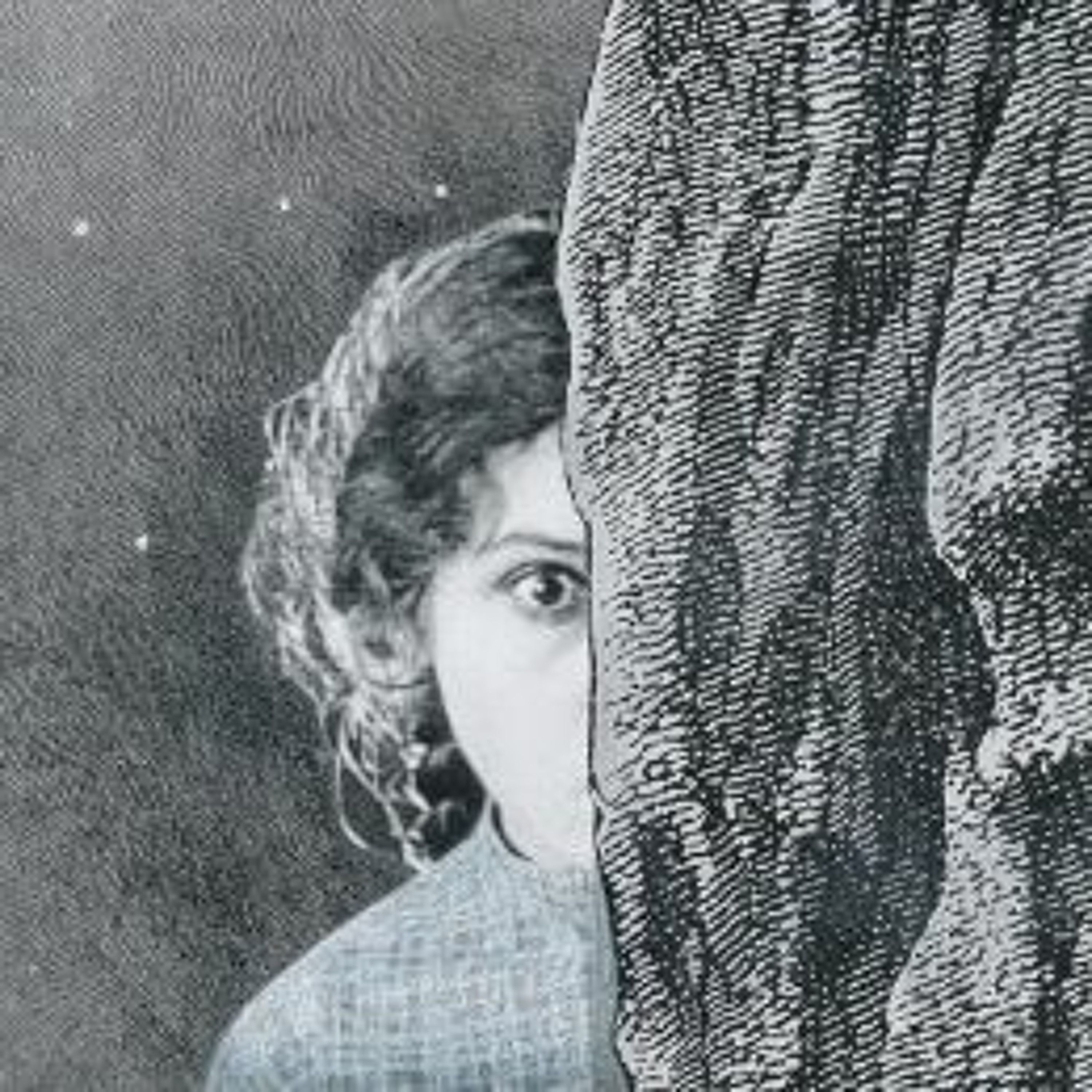
202. Phantom Canyon episode artwork

EPISODE · Feb 5, 2021 · 1 MIN

202. Phantom Canyon

from George Eastman Museum · host George Eastman Museum

This audio tour has been made possible in part by the National Endowment for the Humanities: NEH CARES. Any views, findings, conclusions, or recommendations expressed in this audio, do not necessarily represent those of the NEH. Transcript The first of the trilogy films is called Phantom Canyon. For this film I had the idea of incorporating the subjects from Eadweard Muybridge’s human motion studies from 1883. I was familiar with them from my years studying the figure, they are a resource for many artists since they show multiple images of bodies in motion performing various activities. I thought their stop-motion quality made them a natural fit with animation, and also that the male and female figures could become characters in a film that was a metaphorical examination of a relationship. I combined the figures with images from clip-art books which are collections of copy-right free images often used by artists. The bold contrast in the black and white images seemed to work well with the themes of passion and dismay that the film explored. From the very beginning the technique excited me. I began to create 3D sculptural installation objects in collaboration with other artisans after I finished my second trilogy film Night Hunter and created Night Hunter House. The excited response to that work made me think about returning to Phantom Canyon and thinking of a way to incorporate a key element of the film with a small scale projection built into a sculptural object. Stack of Beds emerged from that process. The falling beds are part of a seminal scene in Phantom Canyon and creating a physical representation of that scene seemed like a fertile choice. My friend, the fine woodworker Michael Schliske and I designed the piece together, and he fabricated it using various antique beds and other elements he built. I like the way Stack of Beds plays with filmic scale and extends the metaphoric power of the film by placing the viewer inside the filmic space in a certain sense.

This audio tour has been made possible in part by the National Endowment for the Humanities: NEH CARES. Any views, findings, conclusions, or recommendations expressed in this audio, do not necessarily represent those of the NEH. Transcript The first of the trilogy films is called Phantom Canyon. For this film I had the idea of incorporating the subjects from Eadweard Muybridge’s human motion studies from 1883. I was familiar with them from my years studying the figure, they are a resource for many artists since they show multiple images of bodies in motion performing various activities. I thought their stop-motion quality made them a natural fit with animation, and also that the male and female figures could become characters in a film that was a metaphorical examination of a relationship. I combined the figures with images from clip-art books which are collections of copy-right free images often used by artists. The bold contrast in the black and white images seemed to work well with the themes of passion and dismay that the film explored. From the very beginning the technique excited me. I began to create 3D sculptural installation objects in collaboration with other artisans after I finished my second trilogy film Night Hunter and created Night Hunter House. The excited response to that work made me think about returning to Phantom Canyon and thinking of a way to incorporate a key element of the film with a small scale projection built into a sculptural object. Stack of Beds emerged from that process. The falling beds are part of a seminal scene in Phantom Canyon and creating a physical representation of that scene seemed like a fertile choice. My friend, the fine woodworker Michael Schliske and I designed the piece together, and he fabricated it using various antique beds and other elements he built. I like the way Stack of Beds plays with filmic scale and extends the metaphoric power of the film by placing the viewer inside the filmic space in a certain sense.

NOW PLAYING

202. Phantom Canyon

0:00 1:53

No transcript for this episode yet

We transcribe on demand. Request one and we'll notify you when it's ready — usually under 10 minutes.

PMA: Sculpture Garden - Art Tours Philadelphia Museum of Art The Sculpture,Garden presents a superb and versatile outdoor setting for the appreciation of art, offering a lively experience of sculpture for both the casual passerby and devoted art lovers. Gracefully integrated into the existing landscape, the Sculpture,Garden extends the Museum’s vast galleries to the outdoors while strengthening the Museum’s connections to the city and Fairmount Park. Its pathways and vistas, green space, and water feature create a variety of spaces for art while maintaining an open setting that invites Philadelphia’s public to explore a new expression of the Museum’s goal to make more art available to an ever-growing audience. Song Against Songs, The by G. K. Chesterton (1874 - 1936) LibriVox LibriVox volunteers bring you 9 recordings of The Song Against Songs by G. K. Chesterton. This was the Fortnightly Poetry project for October 16, 2011.Chesterton was a large man, standing 6 feet 4 inches (1.93 m) and weighing around 21 stone (130 kg; 290 lb). His girth gave rise to a famous anecdote. During World War I a lady in London asked why he was not 'out at the Front'; he replied, 'If you go round to the side, you will see that I am.' On another occasion he remarked to his friend George Bernard Shaw: "To look at you, anyone would think a famine had struck England". Shaw retorted, "To look at you, anyone would think you have caused it". P. G. Wodehouse once described a very loud crash as "a sound like Chesterton falling onto a sheet of tin."( Summary from Wikipedia ) Talks Hirshhorn Museum and Sculpture Garden Browse through our selection of lectures and talks by Friday Gallery Talks, In Conversation, and Meet the Artist. Brochures Hirshhorn Museum and Sculpture Garden Read through brochures of Exhibits and individual artists' works from the past and present exhibitions at the Hirshhorn.

Frequently Asked Questions

How long is this episode of George Eastman Museum?

This episode is 1 minute long.

When was this George Eastman Museum episode published?

This episode was published on February 5, 2021.

What is this episode about?

This audio tour has been made possible in part by the National Endowment for the Humanities: NEH CARES. Any views, findings, conclusions, or recommendations expressed in this audio, do not necessarily represent those of the NEH. Transcript The...

Can I download this George Eastman Museum episode?

Yes, you can download this episode by clicking the download button on the episode player, or subscribe to the podcast in your preferred podcast app for automatic downloads.
URL copied to clipboard!