
EPISODE · Apr 1, 2025 · 35 MIN
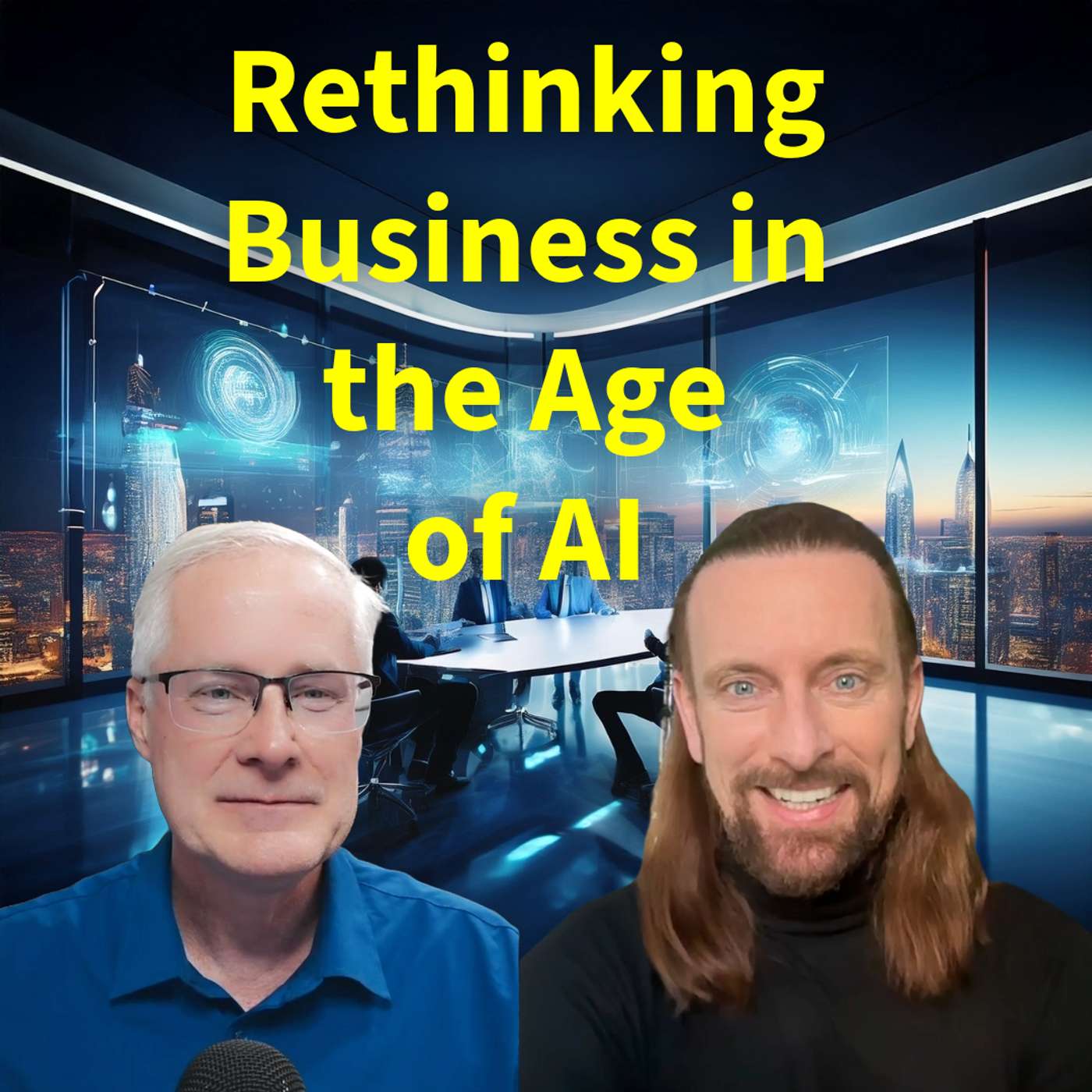
#254 The Triangular Alchemy: Rethinking Business in the Age of AI
from Embracing Digital Transformation · host Dr. Darren Pulsipher
Check out my new book AI Augmented Teams on Amazon or on my website paidar.ai/books.In this conversation, Anders Indset shares his insights on modern business practices, highlighting the transformative power of a 'Return on Learning' philosophy. He discusses his journey from a professional athlete to a thought leader in business and technology, underlining the need for organizations to adapt to the rapidly changing landscape driven by AI and innovation. Indset introduces the concept of a triangular alchemy in business, which includes client incubation, investment strategies, and maintaining core competencies. He stresses the importance of anticipating future scenarios and the cultural shifts necessary for leaders to thrive in this new era, inspiring the audience with the potential of continuous learning. ## Takeaways * Anders Indset emphasizes the importance of a 'Return on Learning' in modern business. * He believes organizations should focus on long-term growth rather than short-term profits. * Indset introduces the concept of incubating clients to foster business relationships. * He discusses the need for investment in external companies to challenge business models. * Indset highlights the importance of maintaining core competencies while diversifying. * He argues that anticipating future scenarios is a crucial skill for leaders today. * Indset believes that cultural shifts are necessary for organizations to adapt to AI. Indset underscores the importance of leaders adopting a philosophical and reflective approach in their decision-making processes. * Indset points out that the barriers to entry in many industries are being lowered by technology. * He warns that companies must innovate or risk becoming obsolete. As we delve into the complexities of modern business in an era marked by rapid technological advancements, it becomes clear that organizations must reassess their fundamental strategies to remain competitive. The rise of artificial intelligence (AI) and the shifting economic landscape necessitate a profound change in how businesses operate. This blog post will explore three essential strategies organizations can adopt to thrive in this environment: fostering a culture of learning, nurturing an adaptive business model, and embracing technological advancements. Cultivating a Learning CultureIn today's fast-paced digital landscape, the ability to learn and adapt is paramount. Traditional approaches to learning within organizations, often rigid and hierarchical, are becoming obsolete. Instead, businesses must prioritize a culture of constant learning that empowers employees at all levels to innovate and adapt. This isn't just about formal training programs; it’s about creating an environment where continuous improvement is celebrated, and every individual feels empowered to contribute to the organization's growth and success.A learning culture encourages employees to embrace challenges and innovate. This can be achieved by fostering open dialogue and collaboration across teams. When people feel safe sharing ideas without the fear of failure, organizations can tap into diverse perspectives, leading to innovative solutions. This sense of security fosters a confident and resilient workforce, ready to tackle any challenge. Furthermore, implementing regular feedback mechanisms can help teams assess their learning and growth, making necessary adjustments as needed.Investing in professional development also plays a crucial role. Companies should provide employees with opportunities to attend workshops, conferences, or online courses that enhance their skills and keep them informed about industry trends. This not only equips employees with the tools they need for personal growth but also provides the organization with a skilled workforce ready to tackle future challenges. Adapting Business Models for ChangeWith the rapid evolution of technology, business models must also adapt to remain relevant. Organizations today face a plethora of choices on how to engage with their customers and deliver value. A significant part of this is understanding customer needs and market trends. Businesses that cling to outdated models are at risk of being outpaced by agile competitors who can quickly pivot and adjust their strategies in response to emerging trends.One approach is to adopt a triangular alchemy framework—a model that combines incubation, investment, and optimization of core products. This approach allows companies to invest in their relationships with customers, fostering loyalty and encouraging repeat business. By incubating startups and supporting their growth, organizations can foster a symbiotic relationship that strengthens their ecosystem. In this framework, 'incubation' refers to nurturing new ideas or startups, 'investment' is about allocating resources to these ideas, and 'optimization of core products' involves improving existing products or services to meet changing market demands.Moreover, incorporating investment strategies that emphasize agility is essential. Companies should explore venture capital initiatives, particularly in technology sectors, to maintain a competitive edge. This enables organizations to stay informed about new developments while also having the opportunity to shape the market through potential partnerships or acquisitions. Leveraging Technology as a Competitive AdvantageTechnological advancements offer both challenges and opportunities for businesses today. AI, in particular, has the potential to revolutionize how organizations manage operations and engage with customers. By adopting AI-driven solutions, companies can optimize internal processes, improve decision-making, and enhance customer experiences. Embracing these technologies isn’t merely a trend; it’s essential for long-term sustainability. It also brings a sense of excitement and anticipation for the future, as companies can look forward to the innovative ways technology will transform their operations and customer interactions.Furthermore, organizations can leverage data analytics to anticipate market shifts and consumer behavior. By integrating predictive analytics, businesses can make informed decisions, reducing risks associated with unforeseen market changes. This insight enables companies to stay ahead of their competitors, adjusting strategies before others even recognize a shift is occurring.However, organizations must recognize the need for cultural shifts in tandem with the adoption of technology. Leaders must foster environments where innovation is intertwined with technology, ensuring employees feel empowered to utilize these tools creatively and effectively. Encouraging cross-disciplinary teams to collaborate on projects that marry technology with human insight can lead to groundbreaking ideas and applications that drive growth. Moving ForwardAs we navigate the challenges and opportunities of the modern business landscape, companies must focus on creating a learning culture, adapting their business models, and leveraging technology as a cornerstone of their strategy. Those who embrace these concepts will not only survive the disruptions caused by AI and other innovations but will also thrive in becoming leaders in their industries.The future is bright for organizations willing to challenge the status quo. It begins with understanding that change is not merely an obstacle but a catalyst for growth. If you are looking to le...
What this episode covers
Check out my new book AI Augmented Teams on Amazon or on my website paidar.ai/books.In this conversation, Anders Indset shares his insights on modern business practices, highlighting the transformative power of a 'Return on Learning' philosophy. He discusses his journey from a professional athlete to a thought leader in business and technology, underlining the need for organizations to adapt to the rapidly changing landscape driven by AI and innovation. Indset introduces the concept of a triangular alchemy in business, which includes client incubation, investment strategies, and maintaining core competencies. He stresses the importance of anticipating future scenarios and the cultural shifts necessary for leaders to thrive in this new era, inspiring the audience with the potential of continuous learning. ## Takeaways * Anders Indset emphasizes the importance of a 'Return on Learning' in modern business. * He believes organizations should focus on long-term growth rather than short-term profits. * Indset introduces the concept of incubating clients to foster business relationships. * He discusses the need for investment in external companies to challenge business models. * Indset highlights the importance of maintaining core competencies while diversifying. * He argues that anticipating future scenarios is a crucial skill for leaders today. * Indset believes that cultural shifts are necessary for organizations to adapt to AI. Indset underscores the importance of leaders adopting a philosophical and reflective approach in their decision-making processes. * Indset points out that the barriers to entry in many industries are being lowered by technology. * He warns that companies must innovate or risk becoming obsolete. As we delve into the complexities of modern business in an era marked by rapid technological advancements, it becomes clear that organizations must reassess their fundamental strategies to remain competitive. The rise of artificial intelligence (AI) and the shifting economic landscape necessitate a profound change in how businesses operate. This blog post will explore three essential strategies organizations can adopt to thrive in this environment: fostering a culture of learning, nurturing an adaptive business model, and embracing technological advancements. Cultivating a Learning CultureIn today's fast-paced digital landscape, the ability to learn and adapt is paramount. Traditional approaches to learning within organizations, often rigid and hierarchical, are becoming obsolete. Instead, businesses must prioritize a culture of constant learning that empowers employees at all levels to innovate and adapt. This isn't just about formal training programs; it’s about creating an environment where continuous improvement is celebrated, and every individual feels empowered to contribute to the organization's growth and success.A learning culture encourages employees to embrace challenges and innovate. This can be achieved by fostering open dialogue and collaboration across teams. When people feel safe sharing ideas without the fear of failure, organizations can tap into diverse perspectives, leading to innovative solutions. This sense of security fosters a confident and resilient workforce, ready to tackle any challenge. Furthermore, implementing regular feedback mechanisms can help teams assess their learning and growth, making necessary adjustments as needed.Investing in professional development also plays a crucial role. Companies should provide employees with opportunities to attend workshops, conferences, or online courses that enhance their skills and keep them informed about industry trends. This not only equips employees with the tools they need for personal growth but also provides the organization with a skilled workforce ready to tackle future challenges. Adapting Business Models for ChangeWith the rapid evolution of technology, business models must also adapt to remain relevant. Organizations today face a plethora of choices on how to engage with their customers and deliver value. A significant part of this is understanding customer needs and market trends. Businesses that cling to outdated models are at risk of being outpaced by agile competitors who can quickly pivot and adjust their strategies in response to emerging trends.One approach is to adopt a triangular alchemy framework—a model that combines incubation, investment, and optimization of core products. This approach allows companies to invest in their relationships with customers, fostering loyalty and encouraging repeat business. By incubating startups and supporting their growth, organizations can foster a symbiotic relationship that strengthens their ecosystem. In this framework, 'incubation' refers to nurturing new ideas or startups, 'investment' is about allocating resources to these ideas, and 'optimization of core products' involves improving existing products or services to meet changing market demands.Moreover, incorporating investment strategies that emphasize agility is essential. Companies should explore venture capital initiatives, particularly in technology sectors, to maintain a competitive edge. This enables organizations to stay informed about new developments while also having the opportunity to shape the market through potential partnerships or acquisitions. Leveraging Technology as a Competitive AdvantageTechnological advancements offer both challenges and opportunities for businesses today. AI, in particular, has the potential to revolutionize how organizations manage operations and engage with customers. By adopting AI-driven solutions, companies can optimize internal processes, improve decision-making, and enhance customer experiences. Embracing these technologies isn’t merely a trend; it’s essential for long-term sustainability. It also brings a sense of excitement and anticipation for the future, as companies can look forward to the innovative ways technology will transform their operations and customer interactions.Furthermore, organizations can leverage data analytics to anticipate market shifts and consumer behavior. By integrating predictive analytics, businesses can make informed decisions, reducing risks associated with unforeseen market changes. This insight enables companies to stay ahead of their competitors, adjusting strategies before others even recognize a shift is occurring.However, organizations must recognize the need for cultural shifts in tandem with the adoption of technology. Leaders must foster environments where innovation is intertwined with technology, ensuring employees feel empowered to utilize these tools creatively and effectively. Encouraging cross-disciplinary teams to collaborate on projects that marry technology with human insight can lead to groundbreaking ideas and applications that drive growth. Moving ForwardAs we navigate the challenges and opportunities of the modern business landscape, companies must focus on creating a learning culture, adapting their business models, and leveraging technology as a cornerstone of their strategy. Those who embrace these concepts will not only survive the disruptions caused by AI and other innovations but will also thrive in becoming leaders in their industries.The future is bright for organizations willing to challenge the status quo. It begins with understanding that change is not merely an obstacle but a catalyst for growth. If you are looking to le...
NOW PLAYING
#254 The Triangular Alchemy: Rethinking Business in the Age of AI
No transcript for this episode yet
Similar Episodes
Apr 21, 2026 ·13m
Apr 19, 2026 ·16m
Apr 17, 2026 ·13m
Apr 13, 2026 ·11m
Apr 11, 2026 ·16m