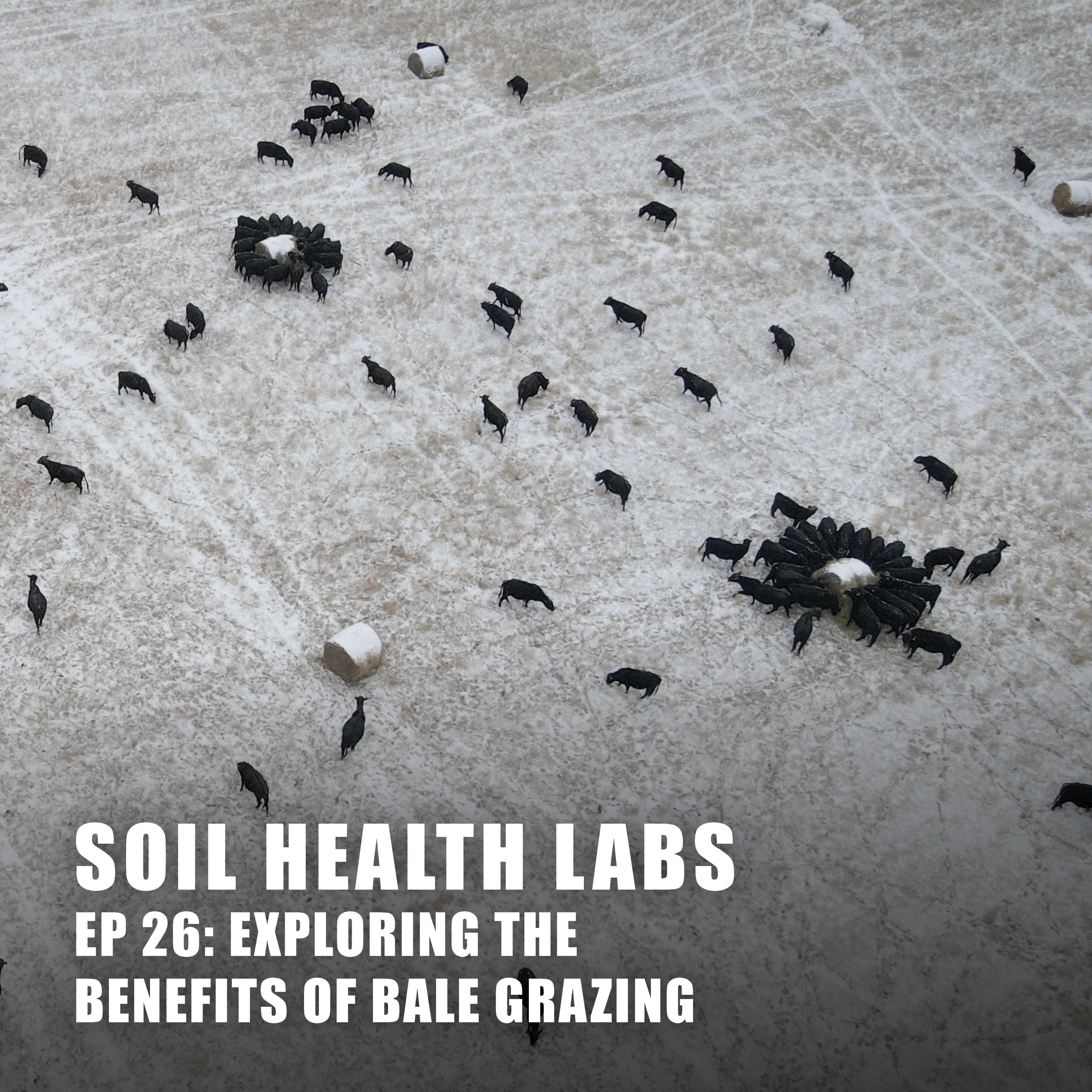
26 Exploring the Benefits of Bale Grazing episode artwork

EPISODE · Dec 10, 2021 · 1H 5M

26 Exploring the Benefits of Bale Grazing

from Soil Health Labs · host Soil Health Labs

Jessalyn Bachler is an Extension Range Field Specialist with SDSU, based in Lemmon, SD. Jessalyn graduated from NDSU with her Masters in Range Science with her thesis entitled “Winter Feeding Beef Cattle: a Review on Bale Grazing in the Northern Great Plains”; Jessalyn did her research out at NDSU’s Streeter REC in North Dakota. Apart from Jessalyn’s schooling, she grew up on a ranch in North Dakota. As part of our bale grazing campaign we launched in early December 2021, we asked Jessalyn to join us in a discussion on this emerging subject. In the podcast we discuss her thesis work, the good and the bad, including a disastrous first year where deep snow put an end to the first year of the project. The podcast continues where Jessalyn talks on a number of practical issues that include: the type of producer who may best benefit from bale grazing; wind breaks, extreme weather contingency plans, labor, fuel costs, infrastructure, soil health benefits, the type of hay one may want to feed on cropland vs rangeland; design of the bale grazing system, location of bales, types of wire and fence posts. Jessalyn also discusses some of the common objections and barriers to bale grazing namely the issues of waste, up-front expense for infrastructure, fence and water and she provides advice for those who may want to start out – the key here is to start small. Jessalyn’s professional profile, along with some of her wok may be seen at https://extension.sdstate.edu/about/our-experts/jessalyn-bachler , also contact your local NRCS offices to have a rangeland management specialist visit with you to see if bale grazing can work for you. Check out free resources at the NRCS: https://www.nrcs.usda.gov/wps/portal/nrcs/site/sd/home/

Jessalyn Bachler is an Extension Range Field Specialist with SDSU, based in Lemmon, SD. Jessalyn graduated from NDSU with her Masters in Range Science with her thesis entitled “Winter Feeding Beef Cattle: a Review on Bale Grazing in the Northern Great Plains”; Jessalyn did her research out at NDSU’s Streeter REC in North Dakota. Apart from Jessalyn’s schooling, she grew up on a ranch in North Dakota. As part of our bale grazing campaign we launched in early December 2021, we asked Jessalyn to join us in a discussion on this emerging subject. In the podcast we discuss her thesis work, the good and the bad, including a disastrous first year where deep snow put an end to the first year of the project. The podcast continues where Jessalyn talks on a number of practical issues that include: the type of producer who may best benefit from bale grazing; wind breaks, extreme weather contingency plans, labor, fuel costs, infrastructure, soil health benefits, the type of hay one may want to feed on cropland vs rangeland; design of the bale grazing system, location of bales, types of wire and fence posts. Jessalyn also discusses some of the common objections and barriers to bale grazing namely the issues of waste, up-front expense for infrastructure, fence and water and she provides advice for those who may want to start out – the key here is to start small. Jessalyn’s professional profile, along with some of her wok may be seen at https://extension.sdstate.edu/about/our-experts/jessalyn-bachler , also contact your local NRCS offices to have a rangeland management specialist visit with you to see if bale grazing can work for you. Check out free resources at the NRCS: https://www.nrcs.usda.gov/wps/portal/nrcs/site/sd/home/

NOW PLAYING

26 Exploring the Benefits of Bale Grazing

0:00 1:05:31

No transcript for this episode yet

We transcribe on demand. Request one and we'll notify you when it's ready — usually under 10 minutes.

Eat to Live Jenna Fuhrman, Dr. Fuhrman Our health is our most precious gift and smart nutrition can change your life. Each month, join Dr. Fuhrman and his daughter, Jenna Fuhrman as they discuss important topics in the world of nutrition. Eat to Live will change the way you eat and think about food. Kaizen Blueprint Aldo Chandra "Kaizen" is a Japanese term for continuous improvement. This podcast provides a blueprint to learn about health, wealth, relationships and everything else in between. Through our podcast, we strive to inspire, educate, and motivate our audience to cultivate a mindset of lifelong learning, productivity, and personal development. By sharing insights, strategies, and practical tips, we aim to guide listeners on their journey towards realizing their fullest potential, fostering success, and creating lasting positive change. PodSights Health & Wellness podsights.ai Transform your wellbeing journey. Get trusted, evidence-based answers to your health, fitness, and mental wellness questions. Make informed decisions about your health. Visit podsights.ai to create your own wellness podcast. Tips, News and Stories for Older Adults Esther C Kane CAPS, C.D.S. "Tips, News, and Stories for Older Adults" delivers weekly insights tailored for seniors. We bring you summaries of curated news, practical advice, and inspiring stories that matter to the 55+ community. From health and finance to technology and lifestyle, our content keeps you informed and engaged. Sourced from trusted outlets, each episode offers valuable information for navigating your golden years. Join us as we explore aging with positivity, wisdom, and engaging stories. Your perfect companion for staying active, learning, and embracing life's later chapters.

Frequently Asked Questions

How long is this episode of Soil Health Labs?

This episode is 1 hour and 5 minutes long.

When was this Soil Health Labs episode published?

This episode was published on December 10, 2021.

What is this episode about?

Jessalyn Bachler is an Extension Range Field Specialist with SDSU, based in Lemmon, SD. Jessalyn graduated from NDSU with her Masters in Range Science with her thesis entitled “Winter Feeding Beef Cattle: a Review on Bale Grazing in the Northern...

Can I download this Soil Health Labs episode?

Yes, you can download this episode by clicking the download button on the episode player, or subscribe to the podcast in your preferred podcast app for automatic downloads.
URL copied to clipboard!