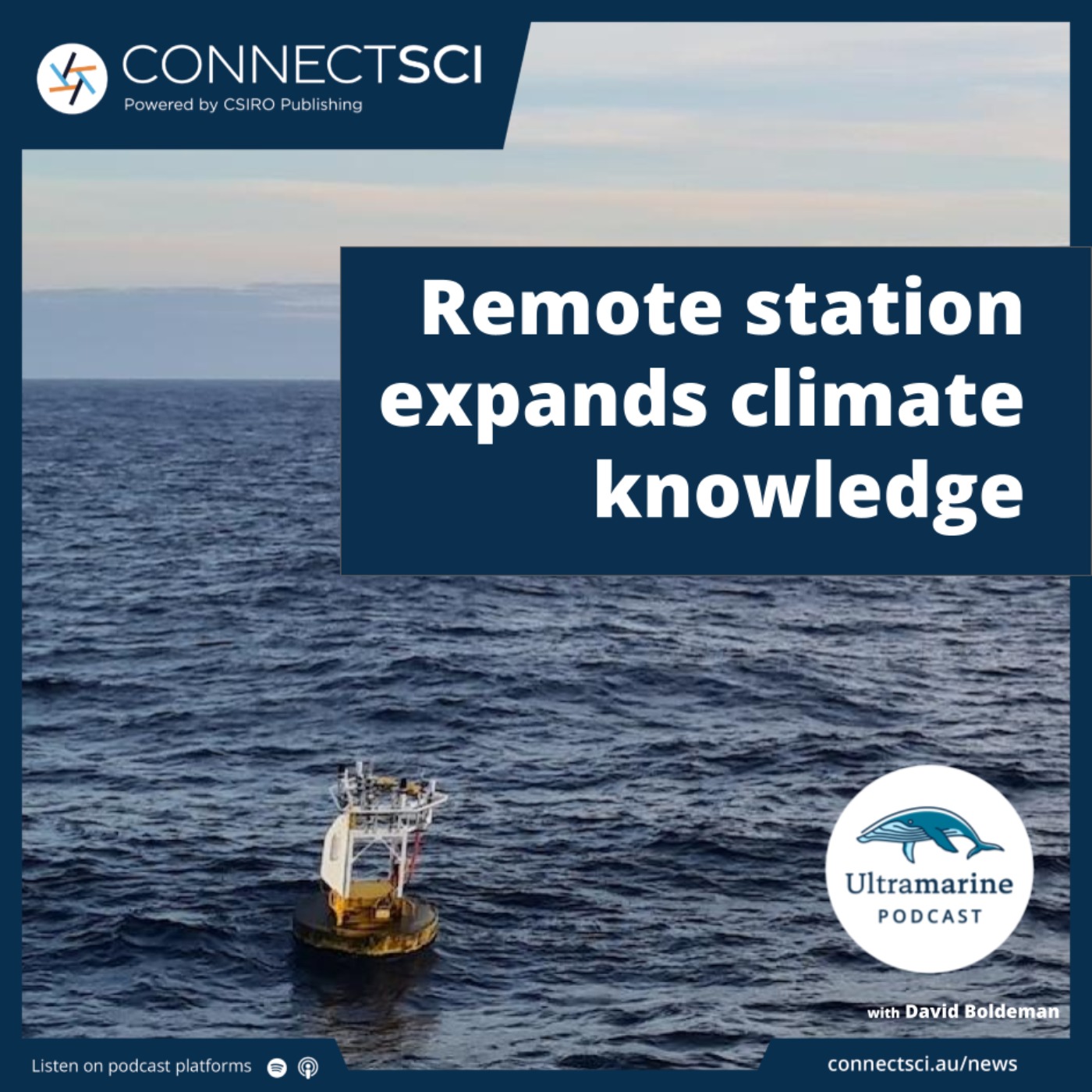
4500m deep: remote observatory expands climate knowledge episode artwork

EPISODE · Mar 23, 2026 · 31 MIN

4500m deep: remote observatory expands climate knowledge

from Ultramarine: the science of our oceans and waterways

David Boldeman speaks with CSIRO marine biogeochemist Dr Elizabeth Shadwick about one of Australia’s most important long-running ocean climate observation programs, the Southern Ocean Time Series south of Tasmania.Anchored in waters around 4500 metres deep, this remote ocean observatory allows scientists to measure how the Southern Ocean absorbs heat and carbon dioxide from the atmosphere, and how these processes influence the global climate system.Dr Shadwick explains how carbon dioxide moves from the air into the ocean, how physical circulation and deep water formation can store that carbon away from the atmosphere for decades to centuries, and how the “biological carbon pump” helps move organic carbon into the deep ocean.The episode also explores the remarkable engineering effort required to deploy and maintain deep-water moorings in harsh Southern Ocean conditions, and what more than two decades of observations are revealing about ocean acidification, natural variability, and the challenge of detecting long-term human impacts in deep ocean ecosystems.Further reading:IMOS Southern Ocean Time SeriesVoyage information and photo galleryAustralian Antarctic Program PartnershipUnderwater observatory keeps pulse of the Southern Ocean for nearly 30 yearsFor the latest science news visit https://connectsci.au/news Hosted on Acast. See acast.com/privacy for more information.

David Boldeman speaks with CSIRO marine biogeochemist Dr Elizabeth Shadwick about one of Australia’s most important long-running ocean climate observation programs, the Southern Ocean Time Series south of Tasmania.Anchored in waters around 4500 metres deep, this remote ocean observatory allows scientists to measure how the Southern Ocean absorbs heat and carbon dioxide from the atmosphere, and how these processes influence the global climate system.Dr Shadwick explains how carbon dioxide moves from the air into the ocean, how physical circulation and deep water formation can store that carbon away from the atmosphere for decades to centuries, and how the “biological carbon pump” helps move organic carbon into the deep ocean.The episode also explores the remarkable engineering effort required to deploy and maintain deep-water moorings in harsh Southern Ocean conditions, and what more than two decades of observations are revealing about ocean acidification, natural variability, and the challenge of detecting long-term human impacts in deep ocean ecosystems.Further reading:IMOS Southern Ocean Time SeriesVoyage information and photo galleryAustralian Antarctic Program PartnershipUnderwater observatory keeps pulse of the Southern Ocean for nearly 30 yearsFor the latest science news visit https://connectsci.au/news Hosted on Acast. See acast.com/privacy for more information.

NOW PLAYING

4500m deep: remote observatory expands climate knowledge

0:00 31:08

No transcript for this episode yet

We transcribe on demand. Request one and we'll notify you when it's ready — usually under 10 minutes.

Frequently Asked Questions

How long is this episode of Ultramarine: the science of our oceans and waterways?

This episode is 31 minutes long.

When was this Ultramarine: the science of our oceans and waterways episode published?

This episode was published on March 23, 2026.

What is this episode about?

David Boldeman speaks with CSIRO marine biogeochemist Dr Elizabeth Shadwick about one of Australia’s most important long-running ocean climate observation programs, the Southern Ocean Time Series south of Tasmania.Anchored in waters around 4500...

Can I download this Ultramarine: the science of our oceans and waterways episode?

Yes, you can download this episode by clicking the download button on the episode player, or subscribe to the podcast in your preferred podcast app for automatic downloads.
URL copied to clipboard!