
EPISODE · May 15, 2026 · 3H 1M
5/15/26 - Referendums Bail Out Lazy, House Blocks War Powers, Democrat Hypocrisy on Black Districts
from The Rob Kendall Show · host Rob Kendall
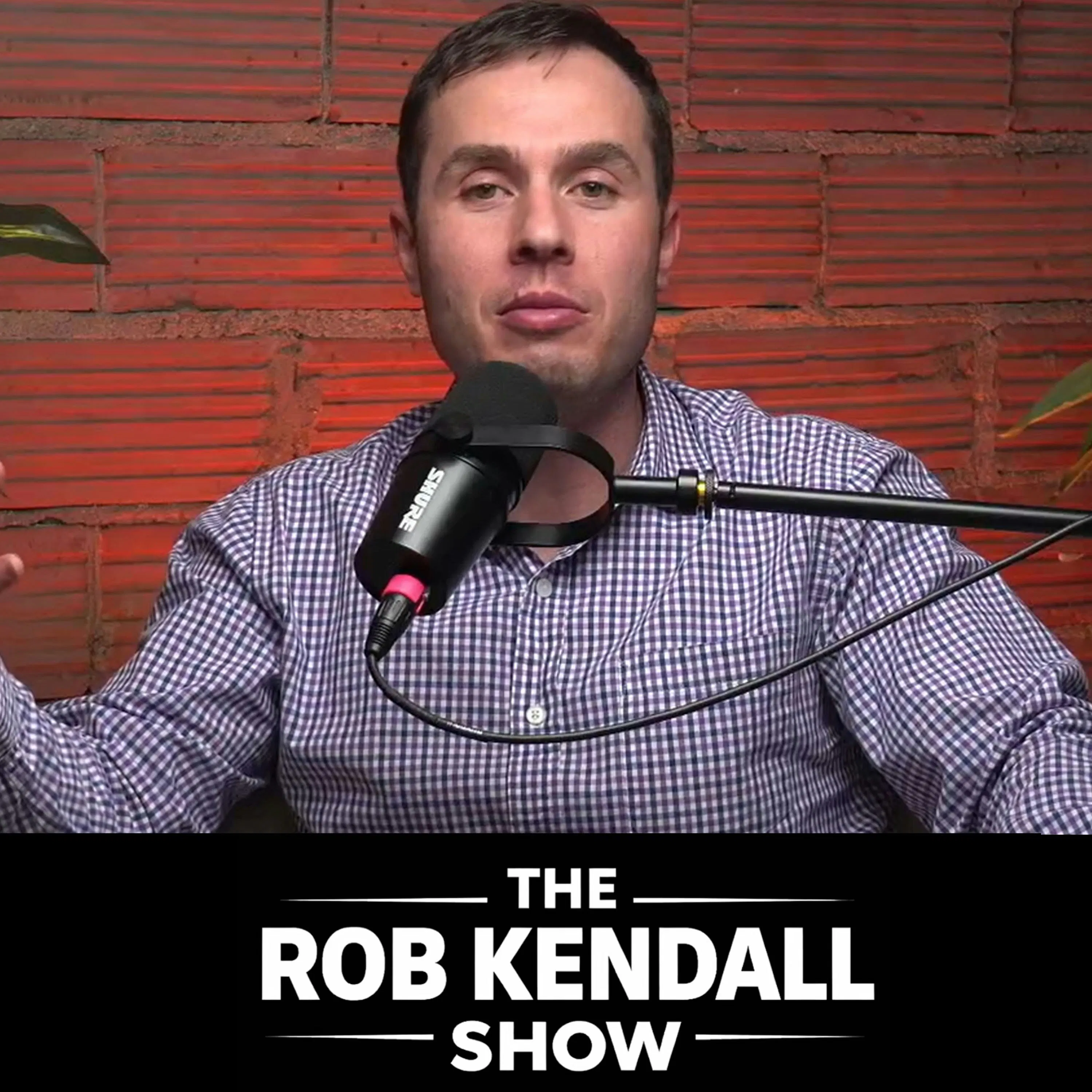
Today’s episode of The Rob Kendall Show opens with a look at the changing media landscape and why Kendall believes independent, local-focused shows are succeeding while larger conservative media brands are struggling. Using a New York Magazine article about The Daily Wire as a jumping-off point, he argues audiences are increasingly craving authenticity, independence, and content they cannot get anywhere else. Kendall says the success of his own Indiana-based show comes from staying focused on local issues, refusing to act as a cheerleader for politicians, and being accountable only to the audience. The show then shifts to Brownsburg, where the school system reached an agreement with local government entities to avoid pursuing a school referendum. Kendall explains how the deal came together and frames it as an example of what can happen when officials actually look for creative ways to protect taxpayers. While he remains critical of school spending overall, he gives Brownsburg credit for choosing a smaller, negotiated solution instead of asking voters for a tax increase that would fall outside the property tax caps. Kendall also uses the Brownsburg example to warn other communities about the wave of school referendums expected across Indiana this fall. He argues many school districts will use referendums as an easy way to raise taxes rather than making difficult budget decisions. Kendall lays out a strategy for opposing them, including organizing a group, forming a political action committee, raising money, identifying the strongest arguments against the proposal, and making sure voters understand how much their taxes could increase. Another major topic is the renewed Republican push to close Indiana’s primary elections after concerns that Democrats may have crossed over in the Spencer Deery and Paula Copenhaver race. Kendall argues that if taxpayers are funding party primaries, voters should be allowed to choose which ballot they want. He points out that heavily gerrymandered districts often make the primary the only meaningful election, meaning independents and minority-party voters may have no real voice unless they participate in the dominant party’s primary. The episode closes with a broader critique of political control inside Indiana’s Republican Party. Kendall argues the push for closed primaries is less about principle and more about preventing dissent, limiting voter choice, and protecting insiders from challenges they do not like. He says Republicans who want closed primaries should also support nonpartisan map-drawing, arguing that they should not be allowed to rig districts and then complain when voters use the only election that matters to have a say. Learn more about your ad choices. Visit megaphone.fm/adchoices
Embed this episode
NOW PLAYING
5/15/26 - Referendums Bail Out Lazy, House Blocks War Powers, Democrat Hypocrisy on Black Districts
No transcript for this episode yet
Similar Episodes
No similar episodes found.
Similar Podcasts
No similar podcasts found.