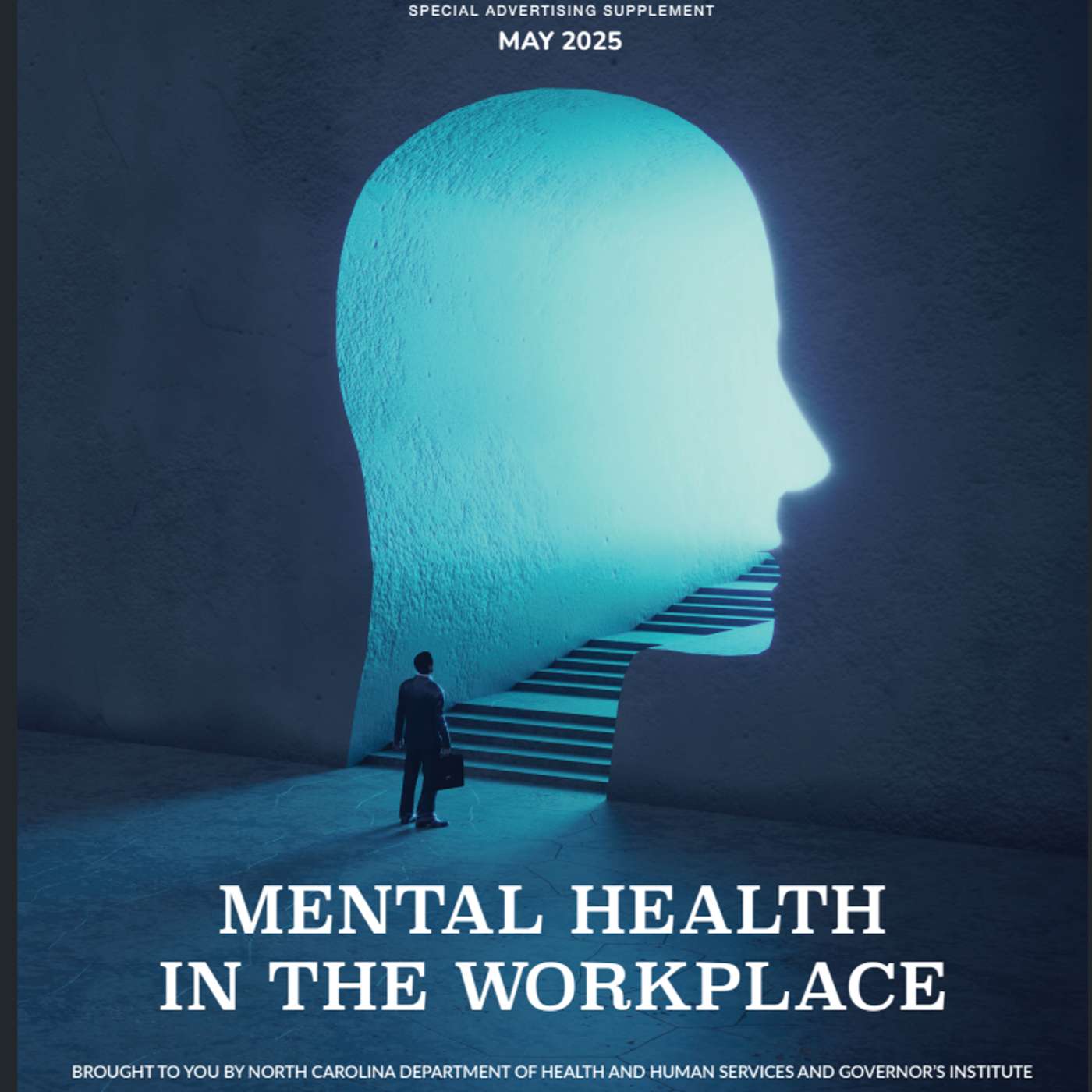
988/911 Coordination & Executive Order 33 episode artwork

EPISODE · Apr 18, 2026 · 11 MIN

988/911 Coordination & Executive Order 33

from Mental Health in the Workplace · host Triangle Business Journal

DMH/DD/SUS Director Kelly Crosbie joins Triangle Business Journal’s Sougata Mukherjee to discuss North Carolina’s mental health and substance use priorities, including ongoing Helene recovery efforts in 25 rural western counties and the state’s behavioral health and public safety focus under Governor Cooper’s Executive Order 33. Crosby explains the push for a consistent statewide crisis system that steers people toward 988 rather than 911, improves data sharing and call handoffs, and embeds mental health clinicians with 911 and first-responder teams. She outlines the expansion to 25 24/7 behavioral health urgent cares by year-end and community crisis centers with over 100 beds, supported through state and local funding. The conversation addresses misconceptions linking mental illness and violence, emphasizing early, consistent engagement, and highlights plans to increase staffing and beds at state psychiatric facilities and improve treatment and reentry support for incarcerated people.00:00 Podcast Welcome00:27 State Priorities Overview00:46 Helene Recovery Focus01:40 Executive Order 33 Explained03:07 Building Crisis Response04:25 Urgent Cares and Beds05:46 Funding and Partnerships06:33 Violence and Mental Illness08:39 Stigma and Early Treatment10:31 Year Ahead Wrap Up

DMH/DD/SUS Director Kelly Crosbie joins Triangle Business Journal’s Sougata Mukherjee to discuss North Carolina’s mental health and substance use priorities, including ongoing Helene recovery efforts in 25 rural western counties and the state’s behavioral health and public safety focus under Governor Cooper’s Executive Order 33. Crosby explains the push for a consistent statewide crisis system that steers people toward 988 rather than 911, improves data sharing and call handoffs, and embeds mental health clinicians with 911 and first-responder teams. She outlines the expansion to 25 24/7 behavioral health urgent cares by year-end and community crisis centers with over 100 beds, supported through state and local funding. The conversation addresses misconceptions linking mental illness and violence, emphasizing early, consistent engagement, and highlights plans to increase staffing and beds at state psychiatric facilities and improve treatment and reentry support for incarcerated people.00:00 Podcast Welcome00:27 State Priorities Overview00:46 Helene Recovery Focus01:40 Executive Order 33 Explained03:07 Building Crisis Response04:25 Urgent Cares and Beds05:46 Funding and Partnerships06:33 Violence and Mental Illness08:39 Stigma and Early Treatment10:31 Year Ahead Wrap Up

NOW PLAYING

988/911 Coordination & Executive Order 33

0:00 11:36

No transcript for this episode yet

We transcribe on demand. Request one and we'll notify you when it's ready — usually under 10 minutes.

Frequently Asked Questions

How long is this episode of Mental Health in the Workplace?

This episode is 11 minutes long.

When was this Mental Health in the Workplace episode published?

This episode was published on April 18, 2026.

What is this episode about?

DMH/DD/SUS Director Kelly Crosbie joins Triangle Business Journal’s Sougata Mukherjee to discuss North Carolina’s mental health and substance use priorities, including ongoing Helene recovery efforts in 25 rural western counties and the state’s...

Can I download this Mental Health in the Workplace episode?

Yes, you can download this episode by clicking the download button on the episode player, or subscribe to the podcast in your preferred podcast app for automatic downloads.
URL copied to clipboard!