PodParley PodParley

A Degree In Thinking

For centuries, the liberal arts have been foundational to the mission of higher education. But trying to explain the concept of this course of study — and the multifaceted roadmap a liberal arts degree provides for one’s life and work in the 2020s and beyond—can be challenging. And so AB host Lee Coffin called in a specialist: Cecilia Gaposchkin, a Dartmouth history professor whose courses range from the fall of Rome to the Crusades to the medieval kings of France. She was also the College’s longtime dean for pre-major advising. But the subject matter of the liberal arts—chemistry or history, philosophy or French—is often less important than the skills a student learns: how to think critically, pose tough questions, write clearly and persuasively, and be a productive citizen. “A liberal arts degree is a degree in thinking,” Professor Gaposchkin advises high school seniors and juniors as they consider their options.

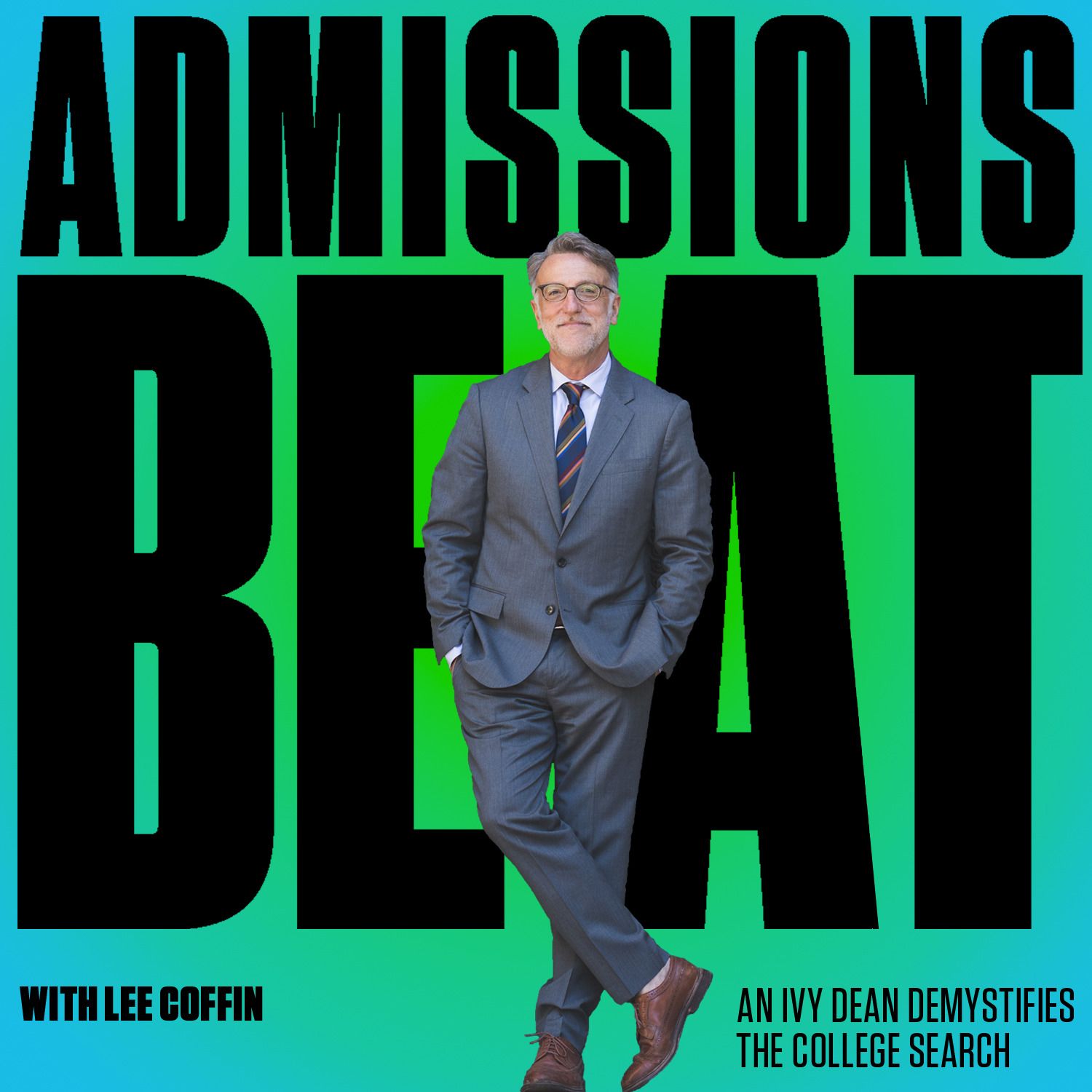
Episode 11 of the Admissions Beat podcast, hosted by Cecilia Gaposchkin, titled "A Degree In Thinking" was published on April 9, 2024 and runs 45 minutes.

April 9, 2024 ·45m · Admissions Beat

0:00 / 0:00

For centuries, the liberal arts have been foundational to the mission of higher education. But trying to explain the concept of this course of study — and the multifaceted roadmap a liberal arts degree provides for one’s life and work in the 2020s and beyond—can be challenging. And so AB host Lee Coffin called in a specialist: Cecilia Gaposchkin, a Dartmouth history professor whose courses range from the fall of Rome to the Crusades to the medieval kings of France. She was also the College’s longtime dean for pre-major advising. But the subject matter of the liberal arts—chemistry or history, philosophy or French—is often less important than the skills a student learns: how to think critically, pose tough questions, write clearly and persuasively, and be a productive citizen. “A liberal arts degree is a degree in thinking,” Professor Gaposchkin advises high school seniors and juniors as they consider their options.

For centuries, the liberal arts have been foundational to the mission of higher education. But trying to explain the concept of this course of study — and the multifaceted roadmap a liberal arts degree provides for one’s life and work in the 2020s and beyond—can be challenging. And so AB host Lee Coffin called in a specialist: Cecilia Gaposchkin, a Dartmouth history professor whose courses range from the fall of Rome to the Crusades to the medieval kings of France. She was also the College’s longtime dean for pre-major advising.  But the subject matter of the liberal arts—chemistry or history, philosophy or French—is often less important than the skills a student learns: how to think critically, pose tough questions, write clearly and persuasively, and be a productive citizen. “A liberal arts degree is a degree in thinking,” Professor Gaposchkin advises high school seniors and juniors as they consider their options.

Preface

Apr 11, 2026 ·2m

The Wonder Child

Apr 11, 2026 ·8m

The Little Virtuoso

Apr 11, 2026 ·18m

In the Wide World

Apr 11, 2026 ·18m

At the Imperial Court

Apr 11, 2026 ·26m

The Second Violin

Apr 11, 2026 ·19m

URL copied to clipboard!