PodParley PodParley

A Hurricane Called Betsy

A Hurricane Called Betsy to watch the video plea…

An episode of the Public Access America podcast, hosted by Public Access America, titled "A Hurricane Called Betsy" was published on August 11, 2016 and runs 30 minutes.

August 11, 2016 ·30m · Public Access America

0:00 / 0:00

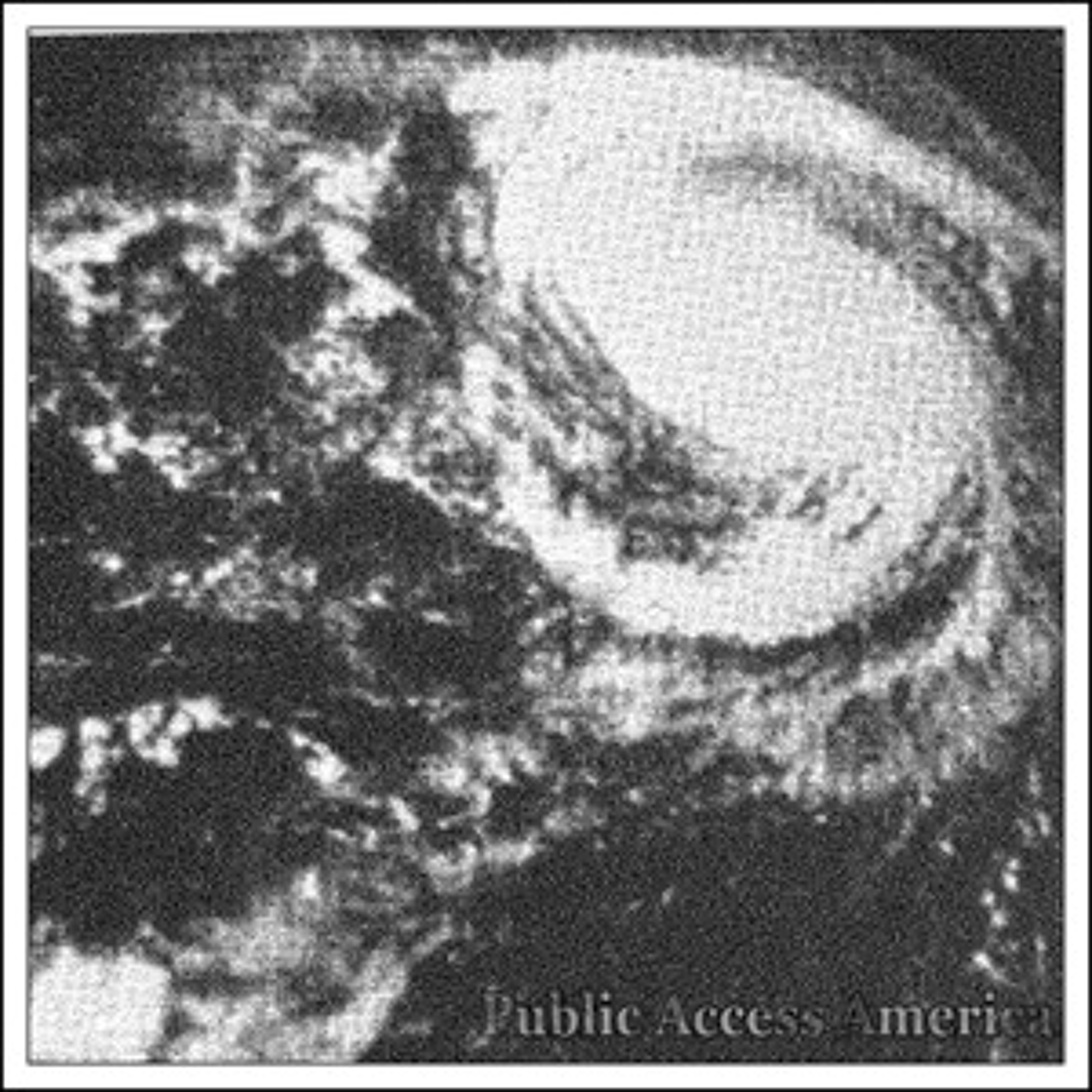
A Hurricane Called Betsy to watch the video please visit Public Access America https://youtu.be/I6S5_pUJZjM Hurricane Betsy, which is reported as one of the deadliest and costliest storms in United States history, began as a tropical disturbance photographed by the TIROS weather satellite on August 23, 1965. On 27 August, reconnaissance aircraft recorded a weak tropical depression about 560 kilometers (350 miles) east-southeast of Barbados (this was believed to be the same system). Later that day, the depression was named “Betsy”, and by the afternoon of 29 August, the storm had intensified into a hurricane, 200 miles north-northeast of San Juan, Puerto Rico. Over the next couple of days, the hurricane looped 440 kilometers (275 miles) north of Puerto Rico weakening to a tropical storm. Turning west, on 1 September, the storm regained hurricane status and drifted 560 kilometers (350 miles) east of Daytona Beach, Florida. At this point, the hurricane appeared to be heading toward the Carolinas. However, on 4 September it made a second loop and shifted southwest toward Florida. The hurricane passed over the Bahamas and stalled over Nassau. Winds on Great Abaco Island reached 237 km/h (147 mph). On September 7, Betsy moved toward extreme southern Florida and on 8 September, they hurricane made its first landfall in Key Largo, FL as a Category 3 hurricane. As the storm moved out of Florida and into the Gulf of Mexico, it shifted once again—this time to the north-northwest- and reintensified into a Category 4 storm with winds up to 250 km/h (155 mph). On the evening of 9 September, the hurricane made its second landfall as a Category 3 hurricane at Grand Isle, LA, just west of the mouth of the Mississippi River. Winds gusted above 160 km/h (100mph) across much of southeast Louisiana, with hurricane-force winds recorded as far inland as Lafayette, LA (~270 kilometers [170 miles] away), and points north. The storm continued through central Louisiana, essentially traveling upriver and causing the Mississippi River at New Orleans to rise by 3 m (10 feet). The river crested in Baton Rouge at 4.6 meters (15.5 feet). By 10 September, the system was over Arkansas with diminishing winds. Shortly after, the system headed toward the Ohio Valley as a tropical storm. Flooding caused by Hurricane Betsy was widespread across the Gulf coast, with storm surge noted as far east as Mobile, AL. Grand Isle, LA saw a 4.8 meter (15.7 foot) surge wash over its northern coast - practically all buildings in Grand Isle were either severely damaged or destroyed. Due to the surge, hundreds of ships, tugs, and barges were sunk or driven aground from New Orleans to Baton Rouge. Eleven shipwrecks blocked 30 miles of the Mississippi River. One barge, which contained enough chlorine to kill tens of thousands of people if released, sank in 18.3 meters (60 feet) of water near the University of Louisiana campus. After weeks of government efforts, the barge was safely located and refloated without incident. The hurricane brought a 3 meter (10 foot) storm surge to New Orleans, producing the city’s worst flooding in decades. The surge was driven into Lake Pontchartrain, just north of New Orleans, and the Mississippi River Gulf Outlet (MRGO), a deep-water shipping channel to the east and south. Levees for the MRGO and on both sides of the Industrial Canal failed, causing dramatic flooding very similar to that which occurred during Hurricane Katrina in 2005. Also similar to Katrina, this flooding overloaded the city’s pumping system, which failed when 90% of the city’s electric power was knocked out. In all, 164,000 New Orleans homes were flooded after the second landfall. Residents fled to their rooftops to escape the rising waters. After an unprecedented relief effort, it was ten days or more before the water level in New Orleans receded and residents could return to their homes. It took even longer to restore flooded houses to a livable condition. Seventy-six tota Advertising Inquiries: https://redcircle.com/brands Privacy & Opt-Out: https://redcircle.com/privacy

A Hurricane Called Betsy to watch the video please visit Public Access America https://youtu.be/I6S5_pUJZjM Hurricane Betsy, which is reported as one of the deadliest and costliest storms in United States history, began as a tropical disturbance photographed by the TIROS weather satellite on August 23, 1965. On 27 August, reconnaissance aircraft recorded a weak tropical depression about 560 kilometers (350 miles) east-southeast of Barbados (this was believed to be the same system). Later that day, the depression was named “Betsy”, and by the afternoon of 29 August, the storm had intensified into a hurricane, 200 miles north-northeast of San Juan, Puerto Rico. Over the next couple of days, the hurricane looped 440 kilometers (275 miles) north of Puerto Rico weakening to a tropical storm. Turning west, on 1 September, the storm regained hurricane status and drifted 560 kilometers (350 miles) east of Daytona Beach, Florida. At this point, the hurricane appeared to be heading toward the Carolinas. However, on 4 September it made a second loop and shifted southwest toward Florida. The hurricane passed over the Bahamas and stalled over Nassau. Winds on Great Abaco Island reached 237 km/h (147 mph). On September 7, Betsy moved toward extreme southern Florida and on 8 September, they hurricane made its first landfall in Key Largo, FL as a Category 3 hurricane. As the storm moved out of Florida and into the Gulf of Mexico, it shifted once again—this time to the north-northwest- and reintensified into a Category 4 storm with winds up to 250 km/h (155 mph). On the evening of 9 September, the hurricane made its second landfall as a Category 3 hurricane at Grand Isle, LA, just west of the mouth of the Mississippi River. Winds gusted above 160 km/h (100mph) across much of southeast Louisiana, with hurricane-force winds recorded as far inland as Lafayette, LA (~270 kilometers [170 miles] away), and points north. The storm continued through central Louisiana, essentially traveling upriver and causing the Mississippi River at New Orleans to rise by 3 m (10 feet). The river crested in Baton Rouge at 4.6 meters (15.5 feet). By 10 September, the system was over Arkansas with diminishing winds. Shortly after, the system headed toward the Ohio Valley as a tropical storm. Flooding caused by Hurricane Betsy was widespread across the Gulf coast, with storm surge noted as far east as Mobile, AL. Grand Isle, LA saw a 4.8 meter (15.7 foot) surge wash over its northern coast - practically all buildings in Grand Isle were either severely damaged or destroyed. Due to the surge, hundreds of ships, tugs, and barges were sunk or driven aground from New Orleans to Baton Rouge. Eleven shipwrecks blocked 30 miles of the Mississippi River. One barge, which contained enough chlorine to kill tens of thousands of people if released, sank in 18.3 meters (60 feet) of water near the University of Louisiana campus. After weeks of government efforts, the barge was safely located and refloated without incident. The hurricane brought a 3 meter (10 foot) storm surge to New Orleans, producing the city’s worst flooding in decades. The surge was driven into Lake Pontchartrain, just north of New Orleans, and the Mississippi River Gulf Outlet (MRGO), a deep-water shipping channel to the east and south. Levees for the MRGO and on both sides of the Industrial Canal failed, causing dramatic flooding very similar to that which occurred during Hurricane Katrina in 2005. Also similar to Katrina, this flooding overloaded the city’s pumping system, which failed when 90% of the city’s electric power was knocked out. In all, 164,000 New Orleans homes were flooded after the second landfall. Residents fled to their rooftops to escape the rising waters. After an unprecedented relief effort, it was ten days or more before the water level in New Orleans receded and residents could return to their homes. It took even longer to restore flooded houses to a livable condition. Seventy-six tota

Advertising Inquiries: https://redcircle.com/brands

Privacy & Opt-Out: https://redcircle.com/privacy
Tipsy Tourism Chelsea Dickenson & James Robinson Tipsy Tourism is the podcast that combines top tourist attractions with a tipple or three, hosted by cheap holiday expert Chelsea and her radio producer 'housemate' James.In each episode, the pair will start at home as Chelsea chooses the activity and James chooses what will accompany them from the drinks trolley. We'll then join them as they head out and about as they discreetly capture their whole experience for us - unearthing the lesser heard of interesting facts and finding the best places to sneak off to for a quick swig from their hip flask... Finally, we'll hear them as they settle back at home to give us the final verdict on whether this tourist attraction has bucket list potential or not. Get early access, ad free episodes and behind the scenes content Hosted on Acast. See <a style='color:grey;' Explicit Public Restrooms Please Be Offended My dad in a public restroom Explicit Nomikai Podcast E20 Noticias Darling in the Franxx, Godzilla Resurgence Public (Podcast) - www.poderato.com/nomikaipodcast www.podErato.com Estimado Godín deje lo que este haciendo y disfrute de su dosis de onda geek para que sea el más popular de la oficina. les traemos en esta emisión reseñas de darlig in the franxx y de Godzilla Resurgence asi como la gustada seleccion de noticias robadas asi como una seleccionde canciones que están de mmmmmmmm increibles asi que relajese que se lo merece y póngale play Explicit Le Petit Chicago Le Petit Chicago Devant public au bar le Petit Chicago dans le Vieux-Hull (Québec): Tristan, Alexis, Roger et leurs invités parlent musique, actualité, politique, alcool et histoire de la région tout en essayant de ne pas boire trop vite des bonnes bières de microbrasserie (et plus).Merci à http://www.bensound.com pour la musique! Explicit
URL copied to clipboard!