
EPISODE · Nov 4, 2025 · 10 MIN
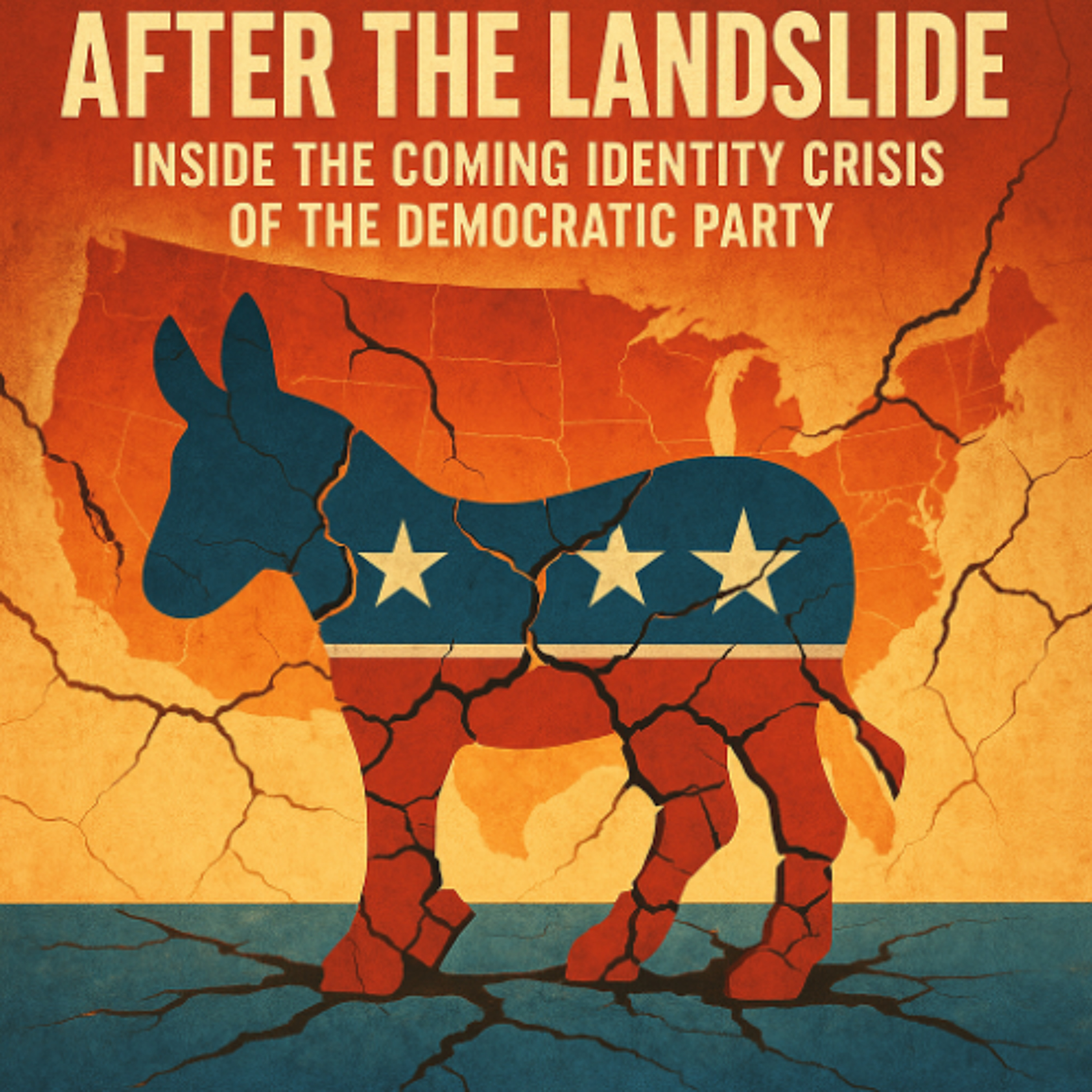
After the Landslide_ Inside the Coming Identity Crisis of the Democratic Party
from The Rock of Talk · host Eddy Aragon
Sorin Mamdani, a 33-year-old Democratic Socialist assemblyman, is projected to win the New York City mayoral race by double digits, signaling what some analysts call a potential “identity crisis” within the Democratic Party. His rise represents a growing populist-left movement emphasizing housing affordability, rent control, and anti-corporate rhetoric. With approximately 60,000 volunteers mobilized, Mamdani’s campaign mirrors the grassroots energy once associated with Alexandria Ocasio-Cortez—charismatic, media-savvy, and grounded in working-class appeal. Critics, particularly within the GOP, characterize Mamdani’s platform as a turn toward “complete socialism” that could accelerate New York’s economic and social challenges. They predict governance gridlock as the city attempts to reconcile progressive redistribution goals with the realities of high taxation, business flight, and public safety concerns. Strategists expect Republicans to frame Mamdani as a national “boogeyman” in 2026 midterm messaging, using him as an emblem of what they see as the Democratic Party’s radical drift. Within the Democratic ranks, Mamdani’s ascent has deepened internal divisions. Key national figures such as Chuck Schumer and Hakeem Jeffries have withheld endorsements, while others like Governor Kathy Hochul and Assembly Speaker Carl Heastie have cautiously supported him. The split reflects broader tension between the Democratic Socialists of America (DSA) faction and centrist Democrats wary of alienating suburban voters. Comparisons to Albuquerque and Portland highlight the potential trajectory: rising homelessness, economic strain, and business flight under left-aligned city leadership. Suburban backlash—particularly among Long Island and Hudson Valley voters—could reshape regional politics. GOP strategists advocate letting such cities “serve as cautionary examples,” while Democrats are urged by strategist Steve Israel to focus on grassroots organizing and internal unity. Ultimately, Mamdani’s expected victory is seen as both a triumph for progressive politics and a catalyst for a deeper ideological reckoning within the Democratic Party nationwide.
Embed this episode
NOW PLAYING
After the Landslide_ Inside the Coming Identity Crisis of the Democratic Party
No transcript for this episode yet
Similar Episodes
No similar episodes found.
Similar Podcasts
No similar podcasts found.