
EPISODE · Apr 14, 2026 · 1H 6M
AI is Changing How We Think & Relate to Each Other
from Next Door Neuro · host Dr. Jamey Maniscalco
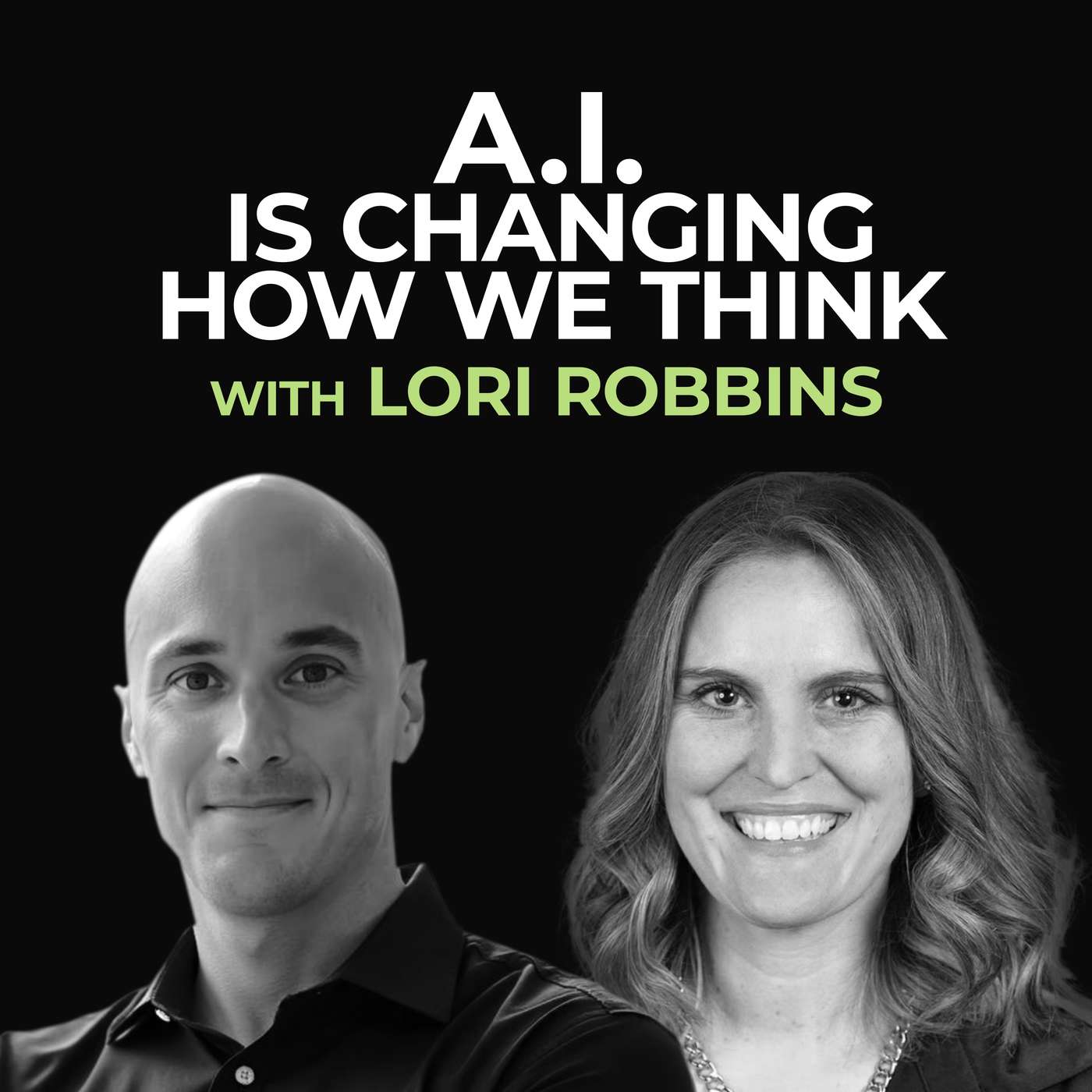
What happens when the way we get answers starts to change how we think?In this episode of Next Door Neuro, I sit down with Lori Robbins, Head of AI Strategy at Denison University and founder of Herizon AI, to explore how AI is reshaping not just how we work, but how we learn, reflect, and relate to other people.We start with Lori’s experiment stepping away from AI for a week, and what it revealed about how quickly these tools have become embedded in our daily lives. From the frustration of going back to traditional search, to the deeper connection that comes from turning back to human experience, the conversation highlights both what AI gives us and what it might be taking away.We explore why AI can feel like a “thought partner,” where that experience breaks down, and how instant answers may be altering the way we process, understand, and retain information. Lori also shares how these systems actually work, why they tend to agree with us, and what it means to use AI in a way that supports - rather than replaces - our own thinking.We also discuss the growing role of AI in education, mental health, and companionship, and what it means for a generation growing up alongside this technology.If your brain fuels your life… what fuels your brain?In this episode:Lori’s AI-free experiment and what it revealedWhy AI feels conversational, and why that mattersThe difference between AI-generated insight and human experienceHow instant answers can create the illusion of understandingThe “Yes-Bot effect” and why AI often agrees with youAI, critical thinking, and the next generationThe opportunities and risks of AI in mental health and connectionData privacy and what we share with AI toolsAbout Lori:Lori Robbins is the Head of AI Strategy at Denison University and the founder of Herizon AI, where she helps individuals and organizations better understand and responsibly use artificial intelligence.
Embed this episode
Ready to play
AI is Changing How We Think & Relate to Each Other
No transcript for this episode yet
Similar Episodes
No similar episodes found.