
EPISODE · Sep 20, 2025 · 4 MIN
AI Transforms Daily Life: From Healthcare to Entertainment, How Technology is Reshaping Our World in 2025
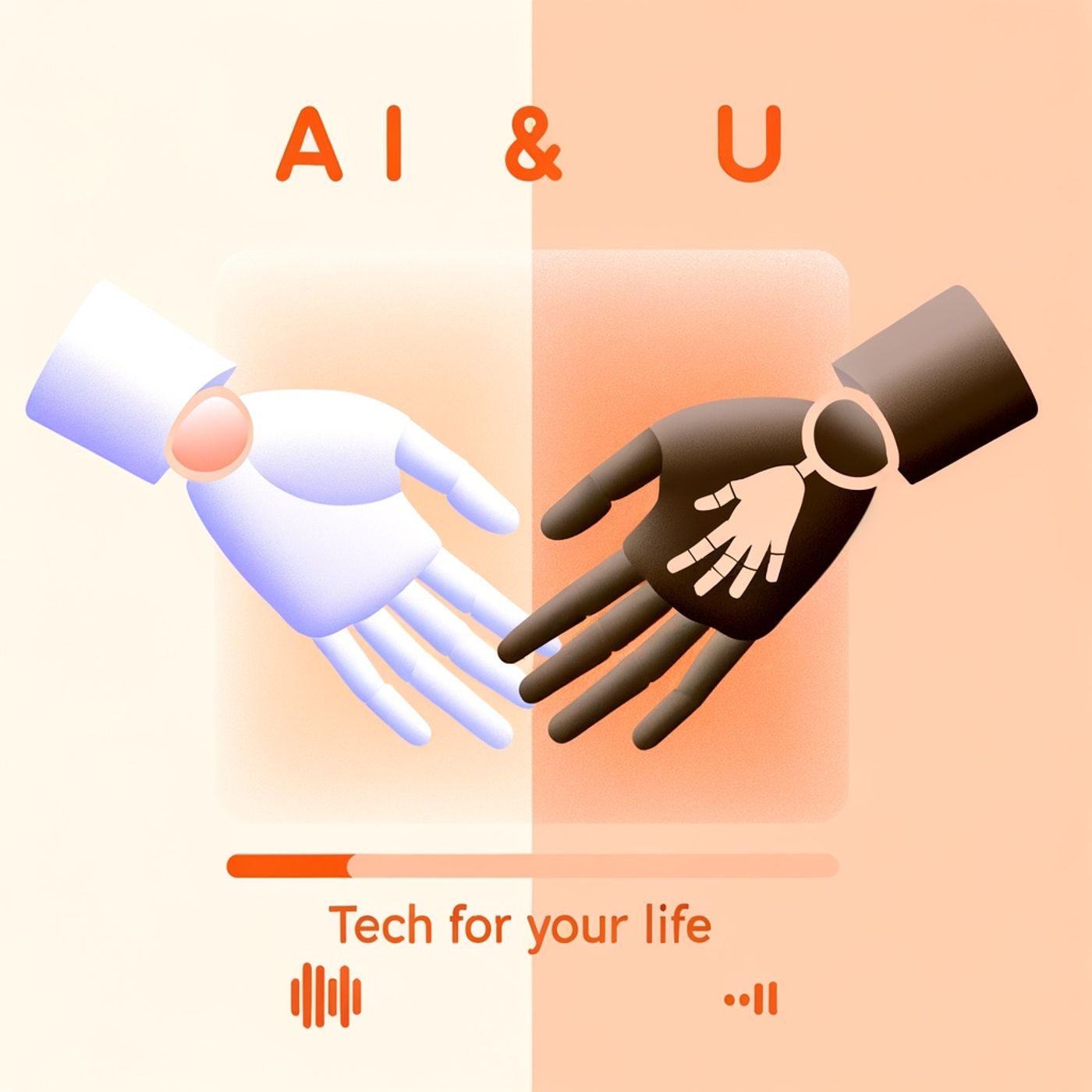
from AI & U: Tech for Your Life · host Inception Point AI
Artificial Intelligence is reshaping listeners’ lives in ways many never imagined, and nowhere is that clearer than the technology wave branded as AI & U: Tech for Your Life. In 2025, AI is no longer just an experimental field—it’s powering growth across nearly every major industry, touching everything from entertainment and security to medicine, transportation, and daily living. The Nasdaq’s momentum this year has a lot to do with AI innovation. Companies like NVIDIA and Microsoft are heavily invested, fueling the backbone of AI infrastructure and next-generation data centers. Bloomberg Intelligence reports global AI spending is predicted to surge from $67 billion in 2023 to $1.3 trillion by 2032, highlighting the astonishing speed at which these technologies are being integrated. Palantir is transforming enterprise operations while cybersecurity giants like Fortinet use AI to defend against more sophisticated digital threats. Goldman Sachs observes a major sector rotation, with energy and industrials stepping up to meet rising power demands for advanced AI systems—including investments in cleaner solutions like nuclear and natural gas. Listeners can see AI’s fingerprints everywhere—from self-driving cars making traffic safer, to health care where doctors diagnose diseases faster and personalize treatments, as described in a recent Edureka course. In daily life, AI is helping individuals engage with smarter entertainment platforms, such as Netflix and Spotify, that continually improve personalized recommendations through sophisticated algorithms. AI’s impact also extends to the extreme ends of physics and engineering. At the University of Virginia, researchers use AI to predict and manage rare, high-impact events: everything from airbags deploying safely in a crash to simulating rocket launches. The sports world is also taking notice, employing digital “twins” to prevent injuries and optimize athletes’ biomechanics, ensuring performance gains without compromising health. But listeners are increasingly aware of the ethical, creative, and social questions raised by AI’s rapid progress. According to a 2025 Pew Research Center survey, 43% of American adults thought AI was more likely to harm them than help. Creativity and relationship-building concerns loom large; a majority worry that AI could erode human creative thinking, and only a small fraction are excited by AI’s potential. There’s also widespread unease about recognizing AI-generated content, as distinguishing between human and machine-made media becomes tougher each year. Even so, most Americans want AI to assist in important tasks like weather forecasting, medicine development, and fighting fraud. Across global summits, workshops, and university labs, experts emphasize that careful, ethical development is crucial. AI for Good, an international initiative, is busy fostering standards and partnerships to ensure technology serves humanity responsibly. As listeners navigate a smarter and mo This content was created in partnership and with the help of Artificial Intelligence AI.
Embed this episode
NOW PLAYING
AI Transforms Daily Life: From Healthcare to Entertainment, How Technology is Reshaping Our World in 2025
No transcript for this episode yet
Similar Episodes
No similar episodes found.
Similar Podcasts
No similar podcasts found.