Albuquerque’s Mayoral Runoff: Cost, Conflict, and the Case for Reform episode artwork

EPISODE · Nov 19, 2025 · 8 MIN

Albuquerque’s Mayoral Runoff: Cost, Conflict, and the Case for Reform

from The Rock of Talk · host Eddy Aragon

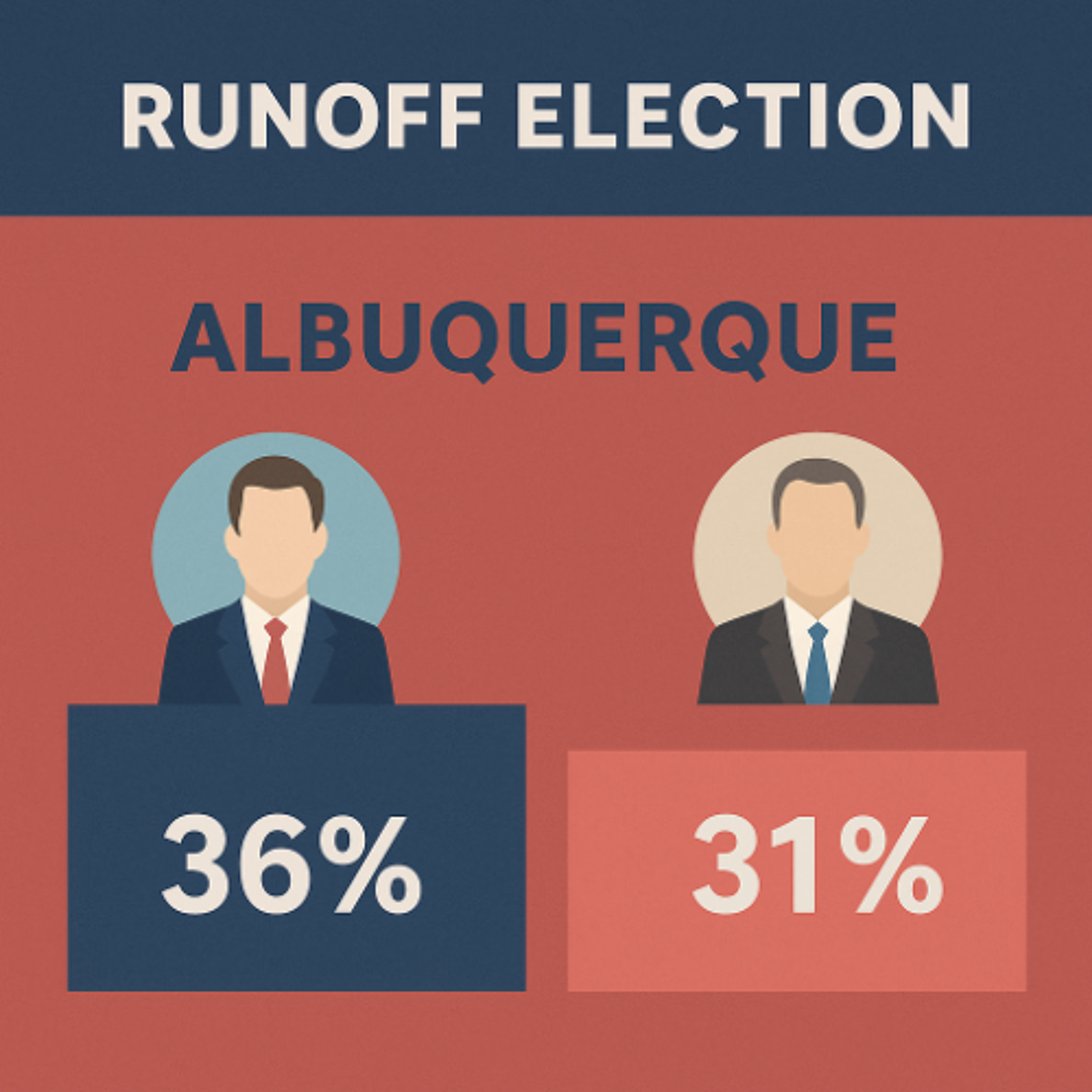
Albuquerque is heading into a high-stakes December mayoral runoff after neither incumbent Tim Keller nor challenger Darren White secured the 50% majority required under the city charter. Keller led the first round with 36%, while White received 31%—meaning 64% of voters cast ballots against the incumbent, a clear sign of dissatisfaction despite his plurality lead. The 2013 charter amendment mandates a majority winner, forcing a runoff that now places both campaigns—and taxpayers—under new financial pressures. The runoff is expected to cost the city nearly $2 million, and that figure does not include the additional public financing Keller qualified for under Albuquerque’s campaign rules. Keller has used public funding successfully in all three of his mayoral bids, including the upcoming runoff. When combined with the runoff’s operational costs, the total price tag for this election cycle approaches $3 million. White, who did not qualify for public funding, faces a significant financial disadvantage—one that Eddy argues could effectively determine the outcome before a single additional vote is cast. This local contest also highlights broader problems in New Mexico’s election landscape. Due to constitutional changes in the early 2000s and the 2018 Local Election Act, municipalities can design their own systems, resulting in a fragmented “patchwork.” Some cities use plurality (Roswell), others use runoffs (Albuquerque, Rio Rancho, Gallup), and others use ranked-choice voting (RCV) (Santa Fe, Las Cruces). Rules around voter ID and campaign financing vary as well. Although Eddy is not usually a supporter of RCV, he argues it would have produced a clearer reflection of voter sentiment in this election. Because 64% voted against Keller, an RCV system may have delivered a majority winner on election night, possibly Darren White. Supporters believe RCV ensures majority legitimacy and minimizes the impact of spoiler candidates, though critics cite its complexity and unpredictability.

Albuquerque is heading into a high-stakes December mayoral runoff after neither incumbent Tim Keller nor challenger Darren White secured the 50% majority required under the city charter. Keller led the first round with 36%, while White received 31%—meaning 64% of voters cast ballots against the incumbent, a clear sign of dissatisfaction despite his plurality lead. The 2013 charter amendment mandates a majority winner, forcing a runoff that now places both campaigns—and taxpayers—under new financial pressures. The runoff is expected to cost the city nearly $2 million, and that figure does not include the additional public financing Keller qualified for under Albuquerque’s campaign rules. Keller has used public funding successfully in all three of his mayoral bids, including the upcoming runoff. When combined with the runoff’s operational costs, the total price tag for this election cycle approaches $3 million. White, who did not qualify for public funding, faces a significant financial disadvantage—one that Eddy argues could effectively determine the outcome before a single additional vote is cast. This local contest also highlights broader problems in New Mexico’s election landscape. Due to constitutional changes in the early 2000s and the 2018 Local Election Act, municipalities can design their own systems, resulting in a fragmented “patchwork.” Some cities use plurality (Roswell), others use runoffs (Albuquerque, Rio Rancho, Gallup), and others use ranked-choice voting (RCV) (Santa Fe, Las Cruces). Rules around voter ID and campaign financing vary as well. Although Eddy is not usually a supporter of RCV, he argues it would have produced a clearer reflection of voter sentiment in this election. Because 64% voted against Keller, an RCV system may have delivered a majority winner on election night, possibly Darren White. Supporters believe RCV ensures majority legitimacy and minimizes the impact of spoiler candidates, though critics cite its complexity and unpredictability.

NOW PLAYING

Albuquerque’s Mayoral Runoff: Cost, Conflict, and the Case for Reform

0:00 8:02

No transcript for this episode yet

We transcribe on demand. Request one and we'll notify you when it's ready — usually under 10 minutes.

No similar episodes found.

No similar podcasts found.

Frequently Asked Questions

How long is this episode of The Rock of Talk?

This episode is 8 minutes long.

When was this The Rock of Talk episode published?

This episode was published on November 19, 2025.

What is this episode about?

Albuquerque is heading into a high-stakes December mayoral runoff after neither incumbent Tim Keller nor challenger Darren White secured the 50% majority required under the city charter. Keller led the first round with 36%, while White received...

Can I download this The Rock of Talk episode?

Yes, you can download this episode by clicking the download button on the episode player, or subscribe to the podcast in your preferred podcast app for automatic downloads.
URL copied to clipboard!