
EPISODE · Apr 13, 2026 · 15 MIN
An Earth Day lesson in ‘forever chemicals'
from The UC Irvine Podcast · host University of California, Irvine
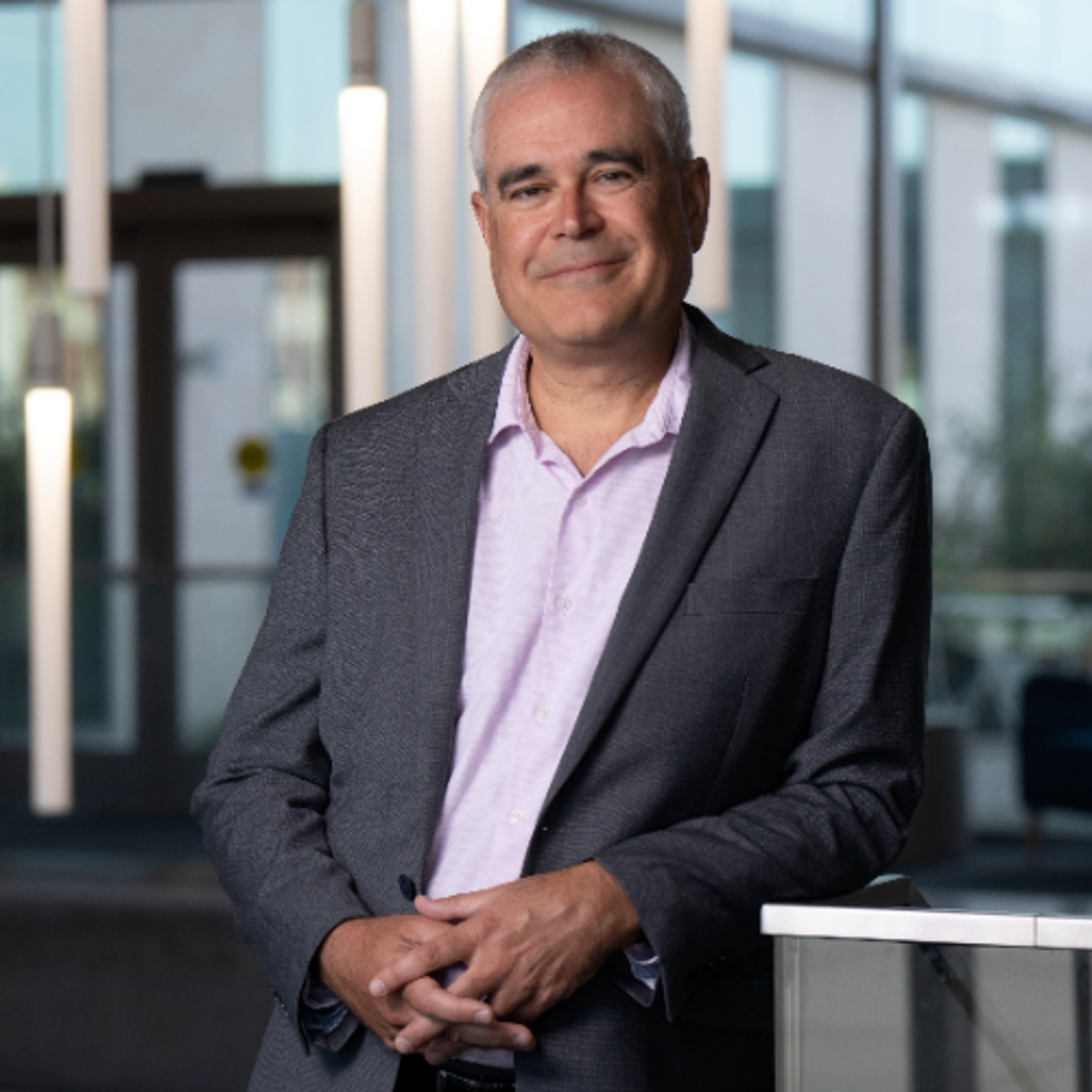
When the first Earth Day was recognized, on April 22, 1970, 20 million Americans – at the time, 10 percent of the total U.S. population – demonstrated in gatherings around the country to protest industrial developments that had led to serious human health impacts. And so began the modern environmental movement. The theme for Earth Day 2026 is “Our Power, Our Planet” – chosen to emphasize that everyone can further environmental progress. One wrong trying to be righted by researchers in UC Irvine’s Joe C. Wen School of Population & Public Health involves per- and polyfluoroalkyl substances – a massive group of synthetic chemical compounds that don’t break down easily. Known as PFAS, they are pervasive and persistent. The most studied of these “forever chemicals” indicate a toxicity that affects liver and thyroid function, and some have been shown to lead to cancer. In 2019, Scott Bartell, professor of environmental and occupational health, launched the UCI PFAS Health Study after receiving a grant from the Centers for Disease Control and Prevention to lead California’s contribution to a national multisite probe. In this episode of The UC Irvine Podcast, Bartell will share what drew him to the study of environmental contaminants, where PFAS are found and how people can decrease their exposure. He’ll also update what his team has learned about PFAS and what work is left to be done, as well as grade how the human race is doing in its efforts to take better care of the planet. “Walking in the Sky,” the music for this episode, was provided by Nico Staf via the audio library in YouTube Studio.
Embed this episode
NOW PLAYING
An Earth Day lesson in ‘forever chemicals'
No transcript for this episode yet
Similar Episodes
No similar episodes found.
Similar Podcasts
No similar podcasts found.