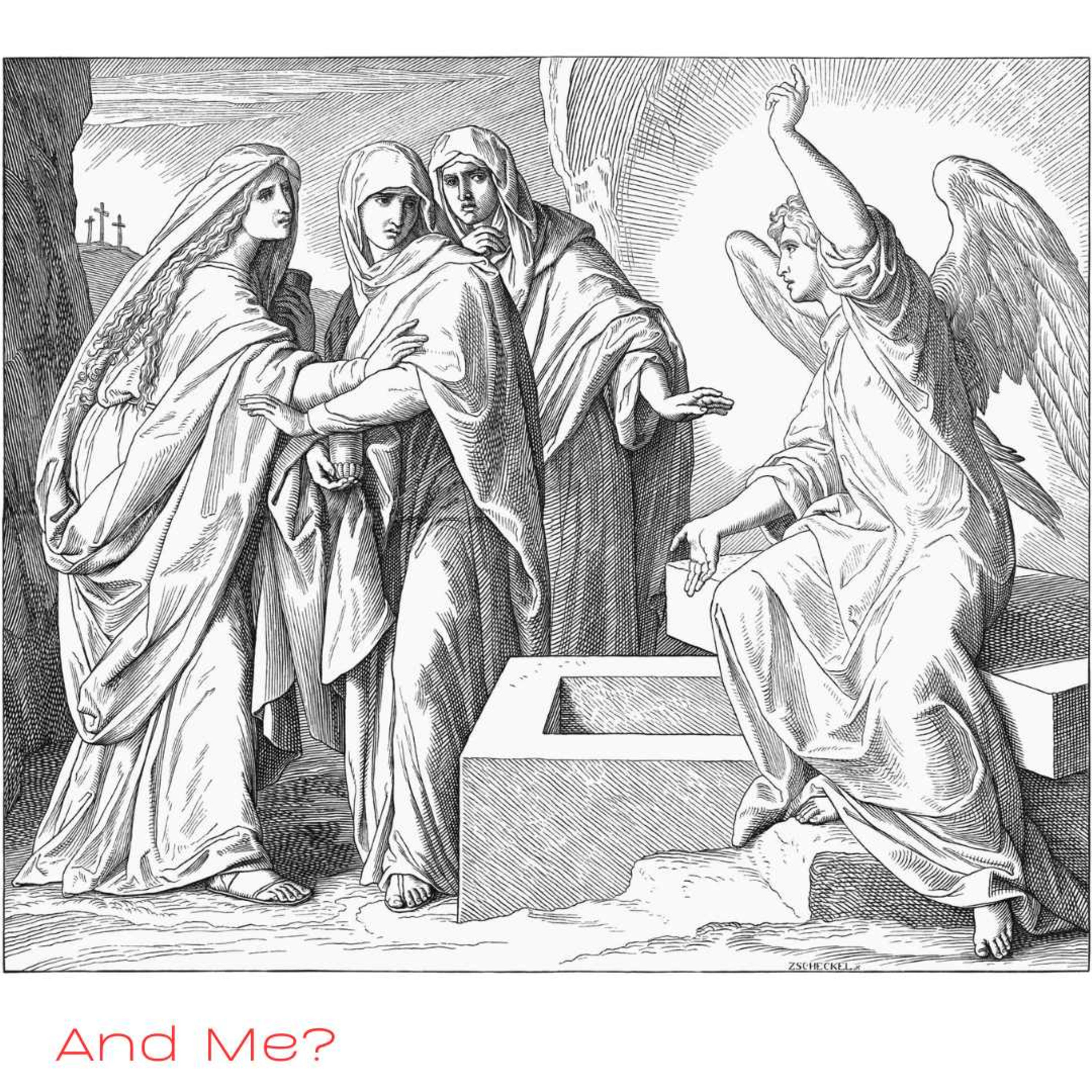
And Me? episode artwork

EPISODE · Mar 22, 2026 · 21 MIN

And Me?

from PCFC Sermons · host Parma Christian Fellowship Church

Weekend Service for March 22Scripture Readings: Mark 16:7, Luke 22:31-32, Romans 8:1, Psalm 103:12Peter’s denial and shame do not become the final word. The resurrection scene emphasizes a precise, personal grace: the angel’s instruction names Peter specifically—“go tell his disciples and Peter”—meaning restoration aims at the one who failed hardest. The empty tomb proves that God moves past failure to pursue, reframe, and recommission those who fell away. Shame isolates, but the risen Lord reaches into that isolation and calls the fallen back into purpose.The narrative traces a life that wandered—youthful rebellion, petty theft, and long seasons of trying to gain through the world—only to find that none of that defines a person in Christ. The text insists that Jesus knew the failures, anticipated the betrayal, and already planned restoration: “and when you have turned back, strengthen your brothers.” That plan turns failure into preparation. The resurrection does not merely cancel shame; it redirects it into renewed mission.Grace issues not as a soft sentiment but as a rigorous calling. The call to Peter illustrates that redeeming love reaches the worst falls and then sets a task: restoration culminates in recommission. Recommissioning looks like small acts of mercy as much as big missions—quiet courage to mend a broken relationship, humble steps to love again, or simply choosing compassion over bitterness. The risen Christ expects active response: move past self-condemnation and join the work assigned.Practical discipleship flows from that truth. The call to live out grace challenges lukewarm, transactional faith and demands cost and courage. Faith that survived failure must now show itself by forgiving, restoring, and strengthening others. The resurrection makes failure a turning point, not a tombstone; the risen Lord both forgives and hands back a purpose to be lived in concrete ways.[00:00] Welcome[00:15] On-the-fly preparation[01:21] Confession through a song[02:11] Personal background and sin[07:00] Peter’s confident denial[09:18] The empty tomb scene[11:20] "Go tell his disciples and Peter"[14:15] Big idea: failure not final[17:24] Living out redeeming love[20:36] Prayer and commission

Weekend Service for March 22Scripture Readings: Mark 16:7, Luke 22:31-32, Romans 8:1, Psalm 103:12Peter’s denial and shame do not become the final word. The resurrection scene emphasizes a precise, personal grace: the angel’s instruction names Peter specifically—“go tell his disciples and Peter”—meaning restoration aims at the one who failed hardest. The empty tomb proves that God moves past failure to pursue, reframe, and recommission those who fell away. Shame isolates, but the risen Lord reaches into that isolation and calls the fallen back into purpose.The narrative traces a life that wandered—youthful rebellion, petty theft, and long seasons of trying to gain through the world—only to find that none of that defines a person in Christ. The text insists that Jesus knew the failures, anticipated the betrayal, and already planned restoration: “and when you have turned back, strengthen your brothers.” That plan turns failure into preparation. The resurrection does not merely cancel shame; it redirects it into renewed mission.Grace issues not as a soft sentiment but as a rigorous calling. The call to Peter illustrates that redeeming love reaches the worst falls and then sets a task: restoration culminates in recommission. Recommissioning looks like small acts of mercy as much as big missions—quiet courage to mend a broken relationship, humble steps to love again, or simply choosing compassion over bitterness. The risen Christ expects active response: move past self-condemnation and join the work assigned.Practical discipleship flows from that truth. The call to live out grace challenges lukewarm, transactional faith and demands cost and courage. Faith that survived failure must now show itself by forgiving, restoring, and strengthening others. The resurrection makes failure a turning point, not a tombstone; the risen Lord both forgives and hands back a purpose to be lived in concrete ways.[00:00] Welcome[00:15] On-the-fly preparation[01:21] Confession through a song[02:11] Personal background and sin[07:00] Peter’s confident denial[09:18] The empty tomb scene[11:20] "Go tell his disciples and Peter"[14:15] Big idea: failure not final[17:24] Living out redeeming love[20:36] Prayer and commission

NOW PLAYING

And Me?

0:00 21:44

No transcript for this episode yet

We transcribe on demand. Request one and we'll notify you when it's ready — usually under 10 minutes.

Frequently Asked Questions

How long is this episode of PCFC Sermons?

This episode is 21 minutes long.

When was this PCFC Sermons episode published?

This episode was published on March 22, 2026.

What is this episode about?

Weekend Service for March 22Scripture Readings: Mark 16:7, Luke 22:31-32, Romans 8:1, Psalm 103:12Peter’s denial and shame do not become the final word. The resurrection scene emphasizes a precise, personal grace: the angel’s instruction names Peter...

Can I download this PCFC Sermons episode?

Yes, you can download this episode by clicking the download button on the episode player, or subscribe to the podcast in your preferred podcast app for automatic downloads.
URL copied to clipboard!