PodParley PodParley

Answer To Stalin - Beginning The Cold War

Answer To Stalin-Beginning The Cold War Watch th…

An episode of the Public Access America podcast, hosted by Public Access America, titled "Answer To Stalin - Beginning The Cold War" was published on July 14, 2016 and runs 21 minutes.

July 14, 2016 ·21m · Public Access America

0:00 / 0:00

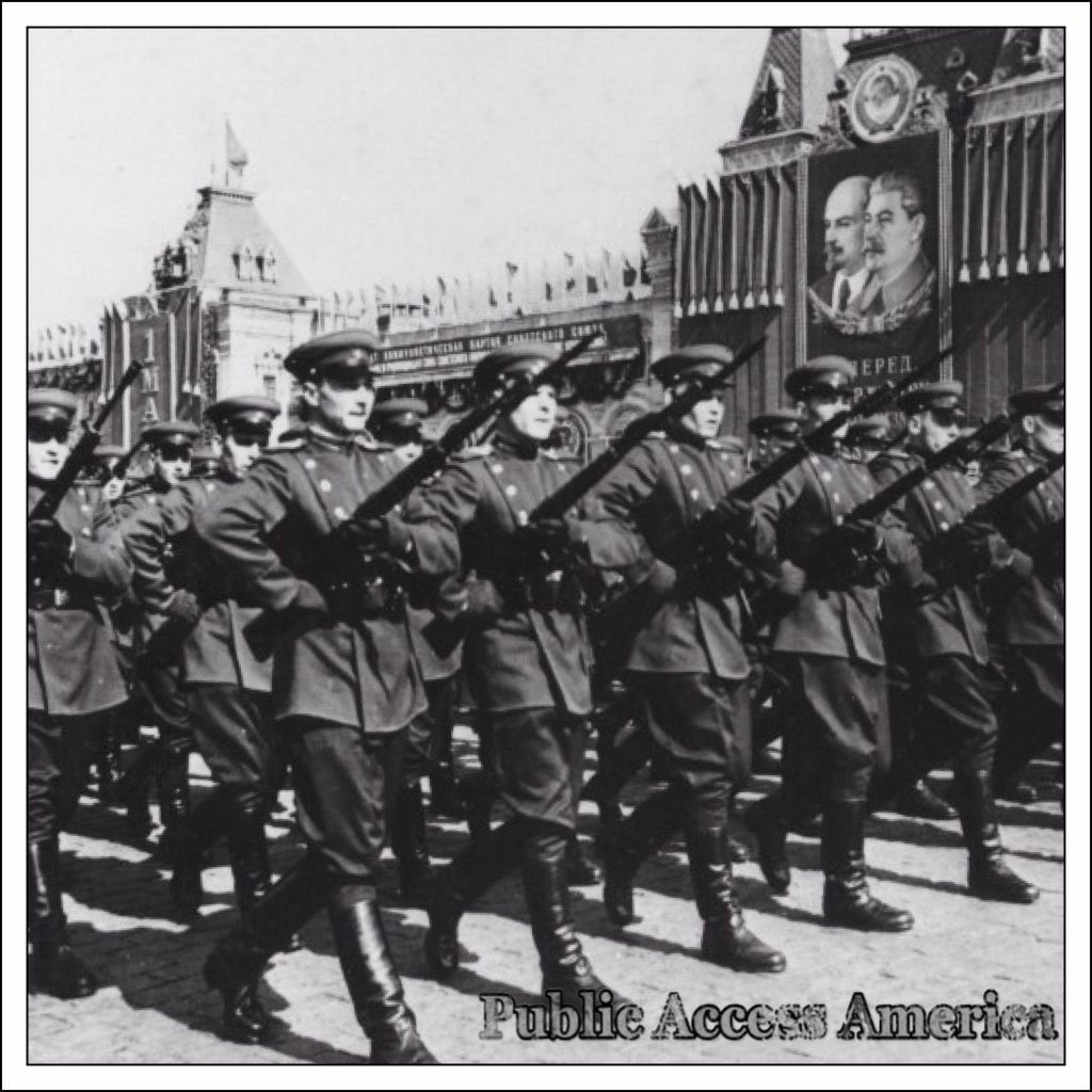
Answer To Stalin-Beginning The Cold War Watch the video version at Public Access America https://youtu.be/d5ArYBv_wzs Although the alliance between the United States and the Soviet Union had brought victory in World War II, wartime cooperation meant glossing over many serious differences between the two. Since the Bolshevik Revolution of 1917, Soviet leaders had been claiming that communism and capitalism could never peacefully coexist. Beginning in the 1930s Josef Stalin had tried to reach some sort of understanding with the West, but only because he viewed Nazi Germany as the greater threat. Indeed, after concluding that the West was not interested in working with him, he made his own agreement with Hitler in 1939. That agreement, of course, was quickly forgotten after the German invasion of the Soviet Union two years later. After the United States entered the war in December 1941 the administration began encouraging Americans to view the Soviet Union not as a threat, but rather as a partner both for victory over the Axis and for maintaining peace in the postwar world. In newspaper and magazine articles, speeches and Hollywood films, Americans were told again and again that although the Russian people had a different economic system, they were equally committed to democratic values and to a peaceful, stable world order. This message, hammered home from 1942 to 1945, meant that after the war Americans would be in for a rude shock. Agreements regarding the postwar world were reached at Yalta and Potsdam, but the Soviets wasted no time in violating them. After driving German forces out of Eastern Europe they set about creating communist puppet states throughout the region, apparently ignoring their promises to allow democratic elections there. Having just won a world war, they seemed intent on setting the stage for another. To the new administration of Harry Truman, this behavior was reminiscent of Hitler's in the 1930s. Like many of the statesmen of his age, he believed that the proper means of responding to an international bully was a credible threat of force; "appeasement" was a dirty word, as it would only lead to new demands. Thus Truman decided on a strategy known as "containment," in which the Soviets would be prevented—militarily if necessary—from using force to export their ideology abroad. Containment would, in fact, remain the cornerstone of U.S. foreign policy for the next fifty years. Containment assumed many different forms. Under the Truman Doctrine the president pledged to defend "free peoples" everywhere through economic and military aid. The Marshall Plan provided billions of dollars for economic recovery to Western Europe, lest misery in France, Germany, and Italy lead to communist electoral victories in those countries. The North Atlantic Treaty Organization was a formal military alliance, and a clear message to Moscow—the United States would fight to defend Western Europe. Ultimately it would lead to actual war in Korea. Containment was not without its critics, and among the most perceptive was journalist Walter Lippman. Lippman believed that the result would be an ongoing "cold war" that might never involve actual combat, but would continue to drain American resources as the United States was committed to resist communism everywhere it might appear. And indeed, "Cold War" is exactly the term that has come to define the entire period from 1945 to 1989. In this curriculum unit students will learn how the Cold War began, from the agreements reached at Yalta and Potsdam in 1945 through the formation of NATO in 1949. National Archives and Records Administration U.S. Information Agency. (1982 - 10/01/1999) ARC Identifier 47588 / Local Identifier 306.832. Source Link https://archive.org/details/gov.archives.arc.47588 Copyright Link https://creativecommons.org/licenses/publicdomain/ Advertising Inquiries: https://redcircle.com/brands Privacy & Opt-Out: https://redcircle.com/privacy

Answer To Stalin-Beginning The Cold War Watch the video version at Public Access America https://youtu.be/d5ArYBv_wzs Although the alliance between the United States and the Soviet Union had brought victory in World War II, wartime cooperation meant glossing over many serious differences between the two. Since the Bolshevik Revolution of 1917, Soviet leaders had been claiming that communism and capitalism could never peacefully coexist. Beginning in the 1930s Josef Stalin had tried to reach some sort of understanding with the West, but only because he viewed Nazi Germany as the greater threat. Indeed, after concluding that the West was not interested in working with him, he made his own agreement with Hitler in 1939. That agreement, of course, was quickly forgotten after the German invasion of the Soviet Union two years later. After the United States entered the war in December 1941 the administration began encouraging Americans to view the Soviet Union not as a threat, but rather as a partner both for victory over the Axis and for maintaining peace in the postwar world. In newspaper and magazine articles, speeches and Hollywood films, Americans were told again and again that although the Russian people had a different economic system, they were equally committed to democratic values and to a peaceful, stable world order. This message, hammered home from 1942 to 1945, meant that after the war Americans would be in for a rude shock. Agreements regarding the postwar world were reached at Yalta and Potsdam, but the Soviets wasted no time in violating them. After driving German forces out of Eastern Europe they set about creating communist puppet states throughout the region, apparently ignoring their promises to allow democratic elections there. Having just won a world war, they seemed intent on setting the stage for another. To the new administration of Harry Truman, this behavior was reminiscent of Hitler's in the 1930s. Like many of the statesmen of his age, he believed that the proper means of responding to an international bully was a credible threat of force; "appeasement" was a dirty word, as it would only lead to new demands. Thus Truman decided on a strategy known as "containment," in which the Soviets would be prevented—militarily if necessary—from using force to export their ideology abroad. Containment would, in fact, remain the cornerstone of U.S. foreign policy for the next fifty years. Containment assumed many different forms. Under the Truman Doctrine the president pledged to defend "free peoples" everywhere through economic and military aid. The Marshall Plan provided billions of dollars for economic recovery to Western Europe, lest misery in France, Germany, and Italy lead to communist electoral victories in those countries. The North Atlantic Treaty Organization was a formal military alliance, and a clear message to Moscow—the United States would fight to defend Western Europe. Ultimately it would lead to actual war in Korea. Containment was not without its critics, and among the most perceptive was journalist Walter Lippman. Lippman believed that the result would be an ongoing "cold war" that might never involve actual combat, but would continue to drain American resources as the United States was committed to resist communism everywhere it might appear. And indeed, "Cold War" is exactly the term that has come to define the entire period from 1945 to 1989. In this curriculum unit students will learn how the Cold War began, from the agreements reached at Yalta and Potsdam in 1945 through the formation of NATO in 1949. National Archives and Records Administration U.S. Information Agency. (1982 - 10/01/1999) ARC Identifier 47588 / Local Identifier 306.832. Source Link https://archive.org/details/gov.archives.arc.47588 Copyright Link https://creativecommons.org/licenses/publicdomain/

Advertising Inquiries: https://redcircle.com/brands

Privacy & Opt-Out: https://redcircle.com/privacy
Tipsy Tourism Chelsea Dickenson & James Robinson Tipsy Tourism is the podcast that combines top tourist attractions with a tipple or three, hosted by cheap holiday expert Chelsea and her radio producer 'housemate' James.In each episode, the pair will start at home as Chelsea chooses the activity and James chooses what will accompany them from the drinks trolley. We'll then join them as they head out and about as they discreetly capture their whole experience for us - unearthing the lesser heard of interesting facts and finding the best places to sneak off to for a quick swig from their hip flask... Finally, we'll hear them as they settle back at home to give us the final verdict on whether this tourist attraction has bucket list potential or not. Get early access, ad free episodes and behind the scenes content Hosted on Acast. See <a style='color:grey;' Explicit Public Restrooms Please Be Offended My dad in a public restroom Explicit Martin Amis Public Events Centre for New Writing / Martin Harris Centre Discussions with leading British novelist and critic Martin Amis from the University of Manchester. Explicit Nomikai Podcast E20 Noticias Darling in the Franxx, Godzilla Resurgence Public (Podcast) - www.poderato.com/nomikaipodcast www.podErato.com Estimado Godín deje lo que este haciendo y disfrute de su dosis de onda geek para que sea el más popular de la oficina. les traemos en esta emisión reseñas de darlig in the franxx y de Godzilla Resurgence asi como la gustada seleccion de noticias robadas asi como una seleccionde canciones que están de mmmmmmmm increibles asi que relajese que se lo merece y póngale play Explicit
URL copied to clipboard!