
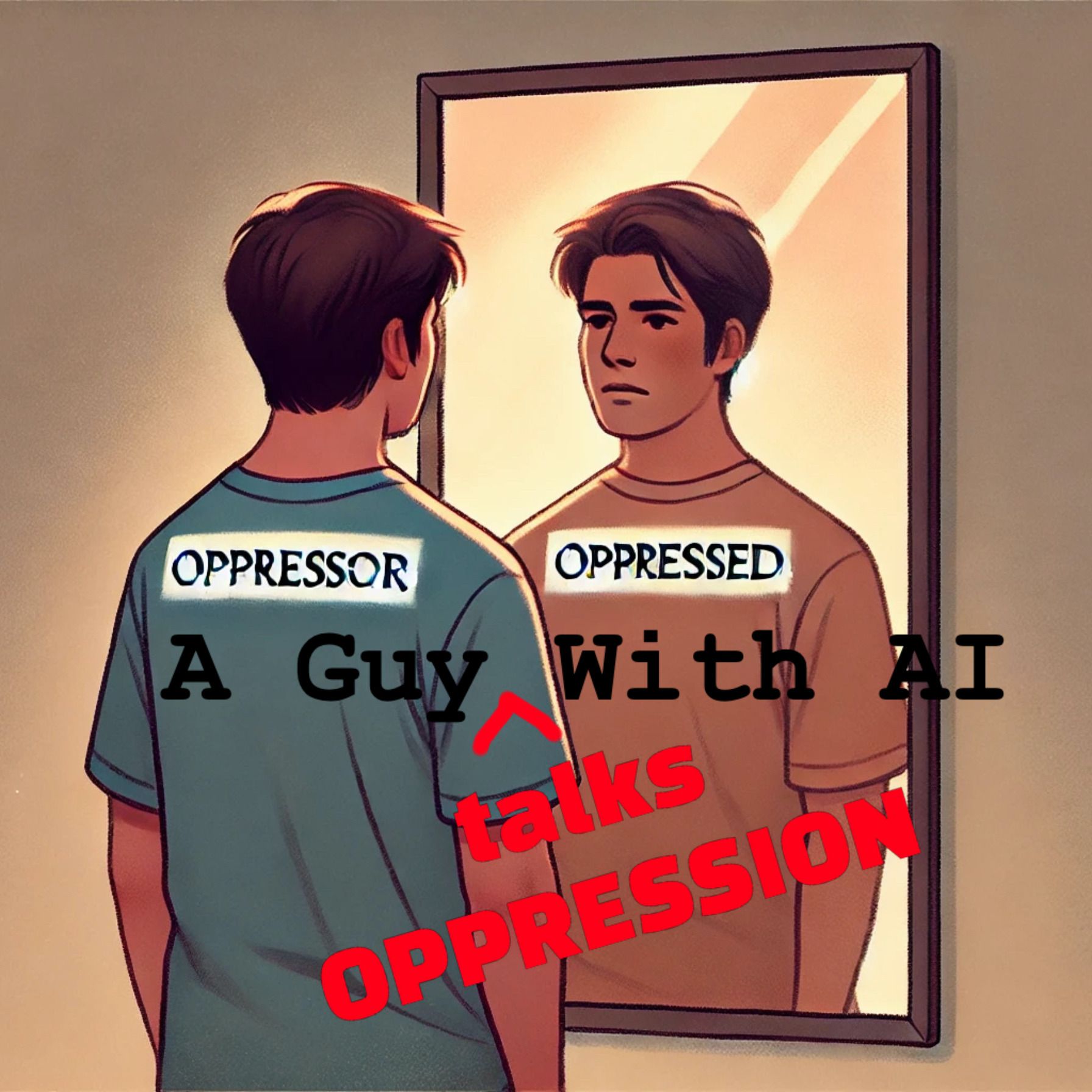
EPISODE · Nov 7, 2024 · 41 MIN
Anti-Oppressive Practice
from A Guy With AI · host Sean MacNutt
(00:03) Exploring Anti-Oppressive Practice and Privilege(10:31) Navigating Anti-Oppressive Practices Through Reflection(18:47) Reflecting on Anti-Oppressive Practice and DEI(32:13) Embracing Restorative Justice for Healing (00:03) Exploring Anti-Oppressive Practice and PrivilegeThis chapter introduces the theme of anti-oppressive practice, structured into three parts: acknowledging the harms caused by privilege, understanding the societal impacts of oppression, and exploring anti-oppressive practices as solutions. As a cis, hetero, white male, I reflect on my own privilege and the impact it may have on others, acknowledging past mistakes and the importance of personal accountability. I share my journey of learning about anti-oppression later in life, including grappling with my own experiences of discrimination due to mental health diagnoses. By addressing these complex topics, I aim to foster awareness and encourage meaningful action toward mindfulness and equity. (10:31) Navigating Anti-Oppressive Practices Through ReflectionThis chapter addresses the complexities of personal reflection on past behaviors and their societal impact, particularly in the context of anti-oppression efforts. I discuss the importance of acknowledging regrets and making amends as a means to promote equity and justice, highlighting movements like Me Too as pivotal in encouraging personal responsibility and systemic change. I also emphasize the role of self-improvement, such as abstaining from alcohol, in fostering healthier interactions and advocating for change. Additionally, I introduce the Anti-Oppressive Practice Wheel, a framework for understanding privilege and oppression through various identities, encouraging listeners to assess their own positions on these axes to recognize their roles as both oppressors and oppressed. This introspection is presented as a crucial step toward creating a fairer and safer society. (18:47) Reflecting on Anti-Oppressive Practice and DEIThis chapter focuses on the intricate dynamics of oppression, particularly in the context of living with disabilities and mental health challenges. We explore how systemic structures, like benefit systems and healthcare frameworks, can perpetuate economic and social oppression for individuals with disabilities. The historical reference to Nazi Germany's treatment of people with disabilities underscores the lingering echoes of ableism in modern society. I reflect on personal experiences of being both oppressed and an oppressor, highlighting the importance of using tools like the anti-oppressive practice wheel to navigate these complexities. By sharing my story, I aim to contribute to broader dialogues about dismantling stigma and advocating for justice, urging listeners to examine their own roles in perpetuating or challenging oppressive systems. (32:13) Embracing Restorative Justice for HealingThis chapter explores the principles of restorative justice, rooted in indigenous teachings, which focus on healing, community engagement, and addressing the root causes of harmful behavior. We discuss how this approach emphasizes accountability and healing, requiring offenders to acknowledge and address the harm they've caused through meaningful dialogue. By examining systemic issues like poverty and mental health challenges, restorative justice provides a framework for understanding societal factors contributing to crime, promoting rehabilitation and reducing recidivism. This perspective encourages a balanced approach to justice that respects human rights and fosters community cohesion. Additionally, I highlight the importance of centering the voices of those directly impacted by justice systems, particularly indigenous communities, to guide us towards more compassionate and effective practices. Ultimately, this chapter suggests a path toward healing and respectful engagement in society, particularly for those from oppressed groups, and calls for an acknowledgment of privilege and responsibility in fostering equity. Facebook PageYouTube ChannelInstagramPayPal
What this episode covers
How can understanding privilege and oppression transform our society into a more equitable place for all? Join Sean MacNutt and his AI co-host on A Guy with AI as they tackle this critical question through the lens of anti-oppressive practices. This episode promises to enlighten listeners on the complexities of privilege and oppression by sharing personal reflections and offering practical tools for introspection and action. Whether it's through Sean's candid acknowledgment of his own privilege as a cis, hetero, white male or discussing the impact of movements like Me Too, expect a thought-provoking exploration of how individual accountability can lead to systemic change. In this episode, Sean shares his journey of grappling with privilege and oppression, including the struggle of living with mental health challenges. Discover how the Anti-Oppressive Practice Wheel can serve as a powerful tool for self-analysis, helping individuals understand their roles on the spectrum of oppression and privilege. By inviting listeners to reflect on their own experiences, Sean aims to inspire meaningful conversations around equity and justice, advocating for change that is both personal and societal. Explore the principles of restorative justice, rooted in indigenous teachings, which offer a path towards healing and rehabilitation. Sean underscores the importance of centering the voices of those impacted by justice systems, particularly indigenous communities, to foster more compassionate practices. Through examining systemic issues like poverty and mental health, this episode encourages listeners to embrace a more balanced approach to justice that respects human rights and community cohesion. The episode culminates with a call to action: acknowledge privilege, take responsibility, and actively contribute to a fairer society.
NOW PLAYING
Anti-Oppressive Practice
No transcript for this episode yet
Similar Episodes
Mar 26, 2026 ·1m
Jan 2, 2026 ·47m
Dec 21, 2025 ·46m