PodParley PodParley

Apollo 13: Houston, We've Got a Problem

Apollo 13: Houston, We've Got a Problem Check ou…

An episode of the Public Access America podcast, hosted by Public Access America, titled "Apollo 13: Houston, We've Got a Problem" was published on September 19, 2016 and runs 30 minutes.

September 19, 2016 ·30m · Public Access America

0:00 / 0:00

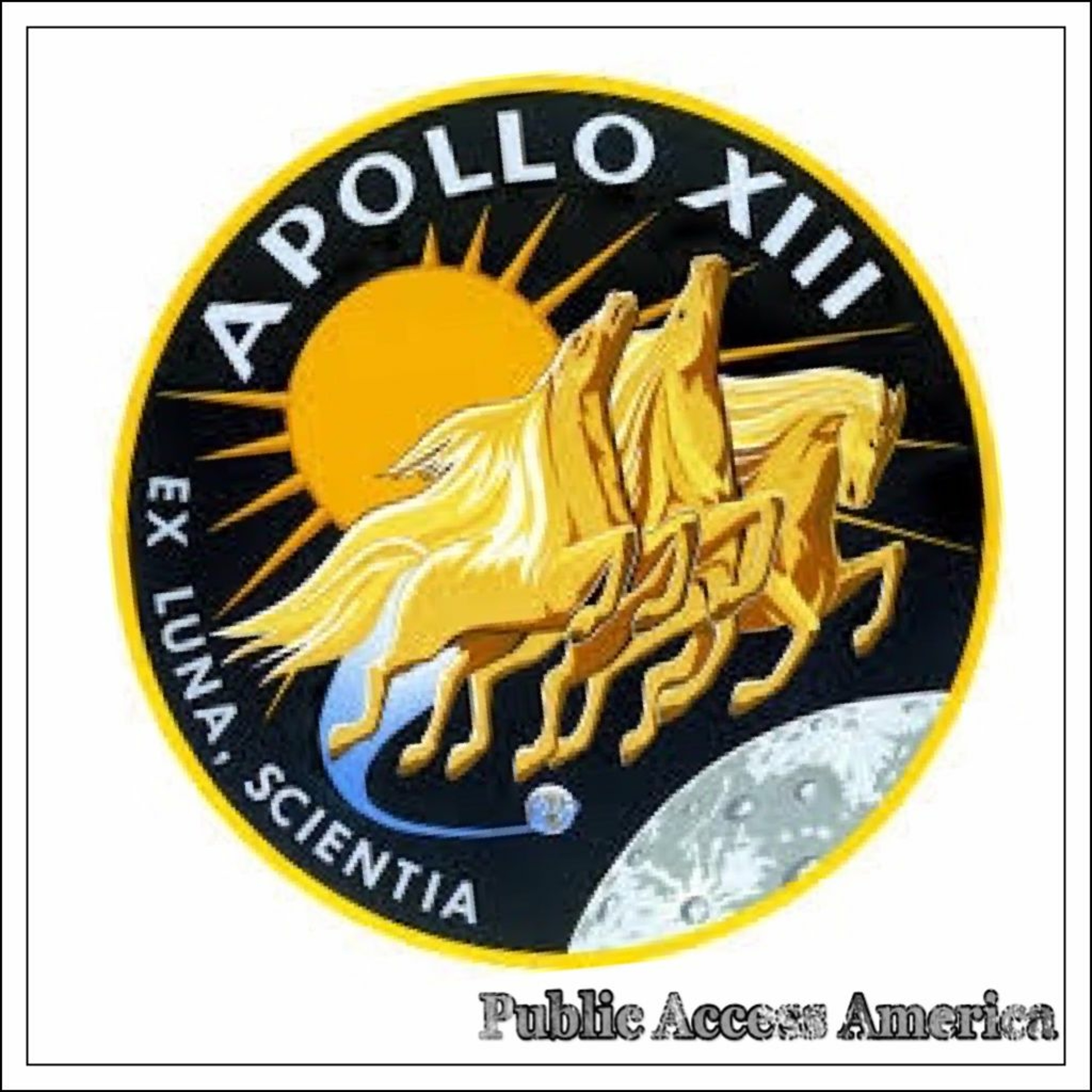
Apollo 13: Houston, We've Got a Problem Check out the video at Public Access America https://youtu.be/9ZBJxhGj1iQ Crew James A. Lovell Jr. Commander Fred W. Haise Jr. Lunar Module Pilot John L. Swigert Jr. Command Module Pilot Backup Crew John W. Young Commander Charles M. Duke Jr. Lunar Module Pilot John L. Swigert Jr. Command Module Pilot Apollo 13 was the seventh manned mission in the American Apollo space program and the third intended to land on the Moon. The craft was launched on April 11, 1970, at 13:13 CST from the Kennedy Space Center, Florida, but the lunar landing was aborted after an oxygen tank exploded two days later, crippling the Service Module (SM) upon which the Command Module (CM) depended. Despite great hardship caused by limited power, loss of cabin heat, shortage of potable water, and the critical need to make makeshift repairs to the carbon dioxide removal system, the crew returned safely to Earth on April 17. The flight passed the far side of the Moon at an altitude of 254 kilometers (137 nautical miles) above the lunar surface, and 400,171 km (248,655 mi) from Earth, a spaceflight record marking the farthest humans have ever traveled from Earth. The mission was commanded by James A. Lovell with John L. "Jack" Swigert as Command Module Pilot and Fred W. Haise as Lunar Module Pilot. Swigert was a late replacement for the original CM pilot Ken Mattingly, who was grounded by the flight surgeon after exposure to German measles. The mission was launched at the planned time, 02:13:00 PM EST (19:13:00 UTC) on April 11. An anomaly occurred when the second-stage, center (inboard) engine shut down about two minutes early. The four outboard engines and the third-stage engine burned longer to compensate, and the vehicle achieved very close to the planned circular 100 nautical miles (190 km) parking orbit, followed by a normal translunar injection about two hours later. The engine shutdown was determined to be caused by severe pogo oscillations measured at a strength of 68 g and a frequency of 16 hertz, flexing the thrust frame by 3 inches (76 mm). The vehicle's guidance system shut the engine down in response to sensed thrust chamber pressure fluctuations. Pogo oscillations had been seen on previous Titan rockets, and also on the Saturn V during Apollo 6, but on Apollo 13, they were amplified by an unexpected interaction with turbopump cavitation. Later missions implemented anti-pogo modifications that had been under development. These included addition of a helium-gas reservoir to the center engine liquid oxygen line to damp pressure oscillations, an automatic cutoff as a backup, and simplification of the propellant valves of all five second-stage engines. Advertising Inquiries: https://redcircle.com/brands Privacy & Opt-Out: https://redcircle.com/privacy

Apollo 13: Houston, We've Got a Problem Check out the video at Public Access America https://youtu.be/9ZBJxhGj1iQ Crew James A. Lovell Jr. Commander Fred W. Haise Jr. Lunar Module Pilot John L. Swigert Jr. Command Module Pilot Backup Crew John W. Young Commander Charles M. Duke Jr. Lunar Module Pilot John L. Swigert Jr. Command Module Pilot Apollo 13 was the seventh manned mission in the American Apollo space program and the third intended to land on the Moon. The craft was launched on April 11, 1970, at 13:13 CST from the Kennedy Space Center, Florida, but the lunar landing was aborted after an oxygen tank exploded two days later, crippling the Service Module (SM) upon which the Command Module (CM) depended. Despite great hardship caused by limited power, loss of cabin heat, shortage of potable water, and the critical need to make makeshift repairs to the carbon dioxide removal system, the crew returned safely to Earth on April 17. The flight passed the far side of the Moon at an altitude of 254 kilometers (137 nautical miles) above the lunar surface, and 400,171 km (248,655 mi) from Earth, a spaceflight record marking the farthest humans have ever traveled from Earth. The mission was commanded by James A. Lovell with John L. "Jack" Swigert as Command Module Pilot and Fred W. Haise as Lunar Module Pilot. Swigert was a late replacement for the original CM pilot Ken Mattingly, who was grounded by the flight surgeon after exposure to German measles. The mission was launched at the planned time, 02:13:00 PM EST (19:13:00 UTC) on April 11. An anomaly occurred when the second-stage, center (inboard) engine shut down about two minutes early. The four outboard engines and the third-stage engine burned longer to compensate, and the vehicle achieved very close to the planned circular 100 nautical miles (190 km) parking orbit, followed by a normal translunar injection about two hours later. The engine shutdown was determined to be caused by severe pogo oscillations measured at a strength of 68 g and a frequency of 16 hertz, flexing the thrust frame by 3 inches (76 mm). The vehicle's guidance system shut the engine down in response to sensed thrust chamber pressure fluctuations. Pogo oscillations had been seen on previous Titan rockets, and also on the Saturn V during Apollo 6, but on Apollo 13, they were amplified by an unexpected interaction with turbopump cavitation. Later missions implemented anti-pogo modifications that had been under development. These included addition of a helium-gas reservoir to the center engine liquid oxygen line to damp pressure oscillations, an automatic cutoff as a backup, and simplification of the propellant valves of all five second-stage engines.

Advertising Inquiries: https://redcircle.com/brands

Privacy & Opt-Out: https://redcircle.com/privacy
Tipsy Tourism Chelsea Dickenson & James Robinson Tipsy Tourism is the podcast that combines top tourist attractions with a tipple or three, hosted by cheap holiday expert Chelsea and her radio producer 'housemate' James.In each episode, the pair will start at home as Chelsea chooses the activity and James chooses what will accompany them from the drinks trolley. We'll then join them as they head out and about as they discreetly capture their whole experience for us - unearthing the lesser heard of interesting facts and finding the best places to sneak off to for a quick swig from their hip flask... Finally, we'll hear them as they settle back at home to give us the final verdict on whether this tourist attraction has bucket list potential or not. Get early access, ad free episodes and behind the scenes content Hosted on Acast. See <a style='color:grey;' Explicit Public Restrooms Please Be Offended My dad in a public restroom Explicit Martin Amis Public Events Centre for New Writing / Martin Harris Centre Discussions with leading British novelist and critic Martin Amis from the University of Manchester. Explicit Nomikai Podcast E20 Noticias Darling in the Franxx, Godzilla Resurgence Public (Podcast) - www.poderato.com/nomikaipodcast www.podErato.com Estimado Godín deje lo que este haciendo y disfrute de su dosis de onda geek para que sea el más popular de la oficina. les traemos en esta emisión reseñas de darlig in the franxx y de Godzilla Resurgence asi como la gustada seleccion de noticias robadas asi como una seleccionde canciones que están de mmmmmmmm increibles asi que relajese que se lo merece y póngale play Explicit
URL copied to clipboard!