
NOW PLAYING
Apparitions of the Dead
0:00
27:08
1×
No transcript for this episode yet
Similar Episodes
I'm ok
Mar 26, 2026 ·1m
Food Saved My Life
Mar 19, 2026 ·34m
Eat More Vegetables: The 4 Foods That Beat Ozempic (Naturally)
Feb 18, 2026 ·11m
How to End Heart Disease with Dr. Fuhrman
Feb 11, 2026 ·45m
Similar Podcasts
MG Show
MG Show
The MG Show, hosted by Jeffrey Pedersen and Shannon Townsend, is a leading alternative media platform dedicated to uncovering the truth behind today’s most pressing political issues. Launched in 2019, the show has grown exponentially, offering unfiltered insights, comprehensive research, and real-time analysis. With a commitment to independent journalism and factual integrity, the MG Show empowers its audience with knowledge and encourages active participation in the political discourse.
Breaking News Show | eTurboNews
Juergen Thomas Steinmetz
News is relevant to the global travel and tourism industry, human rights and global issues.Breaking news when it happens and only from the source.
Eat to Live
Jenna Fuhrman, Dr. Fuhrman
Our health is our most precious gift and smart nutrition can change your life. Each month, join Dr. Fuhrman and his daughter, Jenna Fuhrman as they discuss important topics in the world of nutrition. Eat to Live will change the way you eat and think about food.
French Your Way
Jessica: Native French teacher founder of French Your Way
Boost your French listening skills and test your comprehension with this one of a kind series of podcasts. Get the chance to listen to a real conversation between native speakers talking at normal speed AND customise your learning experience through carefully designed sets of questions (2 levels of difficulty) available for download at www.frenchvoicespodcast.com. All interviews also come with the transcript. French teacher Jessica interviews native speakers of French from around the world who share a bit of their life and passion. Where else would you meet in one same place a French yoga teacher based in Melbourne, a soap manufacturer from Provence, or a couple cycling around the world?
Frequently Asked Questions
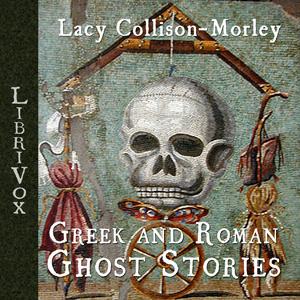
How long is this episode of Greek and Roman Ghost Stories?
This episode is 27 minutes long.
When was this Greek and Roman Ghost Stories episode published?
This episode was published on October 4, 2009.
Can I download this Greek and Roman Ghost Stories episode?
Yes, you can download this episode by clicking the download button on the episode player, or subscribe to the podcast in your preferred podcast app for automatic downloads.
URL copied to clipboard!