
EPISODE · Aug 11, 2025 · 10 MIN
Asake, Yoruba, and the Lingering Legacy of Colonial Language Control
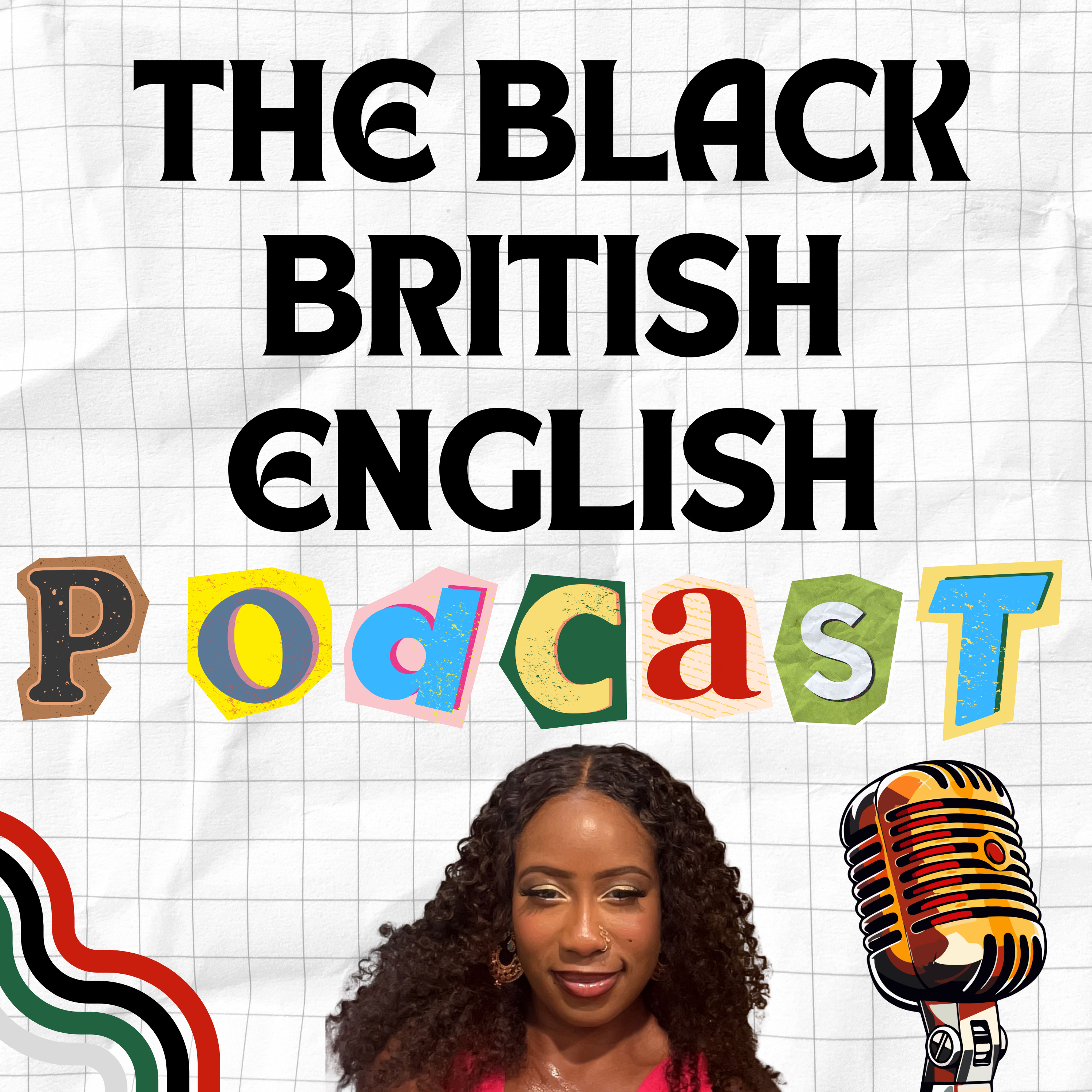
from The Black British English Podcast · host Ife
In this episode, I dive into the recent backlash against Nigerian artist Asake for using Yoruba on his Gunna feature and why the anger reveals something deeper: our communities are still wrestling with internalised anti-Black linguistic racism, a legacy of colonial language control that refuses to die quietly.I unpack the colonial history that positioned European languages like English as the “proper” or “respectable” choice while devaluing African and Caribbean languages as inferior or unprofessional. We explore how this thinking lingers today, even within Black spaces, when artists unapologetically use their native tongues.Fresh back from Antigua, I reflect on what it meant to be fully submerged in Blackness: walking through spaces where the majority looks like you, where Caribbean English Creole flows without side-eyes or corrections, where music is drenched in local expressions and history. And I ask why, in Britain and beyond, Black language still needs to fight for space when it is the heartbeat of our culture.From Yoruba in Afrobeats to patois in dancehall to Black British English in grime, this episode is about how music has always been a site of linguistic preservation and resistance and why every verse, every hook, every bassline that carries our words is a pushback against the colonial idea that only one kind of English is valid.Because when we lose a language, we do not just lose words. We lose ways of seeing the world. And we are not letting that happen.
What this episode covers
In this episode, I dive into the recent backlash against Nigerian artist Asake for using Yoruba on his Gunna feature and why the anger reveals something deeper: our communities are still wrestling with internalised anti-Black linguistic racism, a legacy of colonial language control that refuses to die quietly.I unpack the colonial history that positioned European languages like English as the “proper” or “respectable” choice while devaluing African and Caribbean languages as inferior or unprofessional. We explore how this thinking lingers today, even within Black spaces, when artists unapologetically use their native tongues.Fresh back from Antigua, I reflect on what it meant to be fully submerged in Blackness: walking through spaces where the majority looks like you, where Caribbean English Creole flows without side-eyes or corrections, where music is drenched in local expressions and history. And I ask why, in Britain and beyond, Black language still needs to fight for space when it is the heartbeat of our culture.From Yoruba in Afrobeats to patois in dancehall to Black British English in grime, this episode is about how music has always been a site of linguistic preservation and resistance and why every verse, every hook, every bassline that carries our words is a pushback against the colonial idea that only one kind of English is valid.Because when we lose a language, we do not just lose words. We lose ways of seeing the world. And we are not letting that happen.
NOW PLAYING
Asake, Yoruba, and the Lingering Legacy of Colonial Language Control
No transcript for this episode yet
Similar Episodes
Mar 26, 2026 ·1m
Mar 19, 2026 ·34m
Feb 18, 2026 ·11m
Feb 11, 2026 ·45m