
EPISODE · Mar 30, 2025 · 23 MIN
Assamese Demonology: Forbidden Spirits, Pagan Exorcisms, and the Hidden Lore of India's Dark Folklore
from Occult Archives · host Falcon Millenium
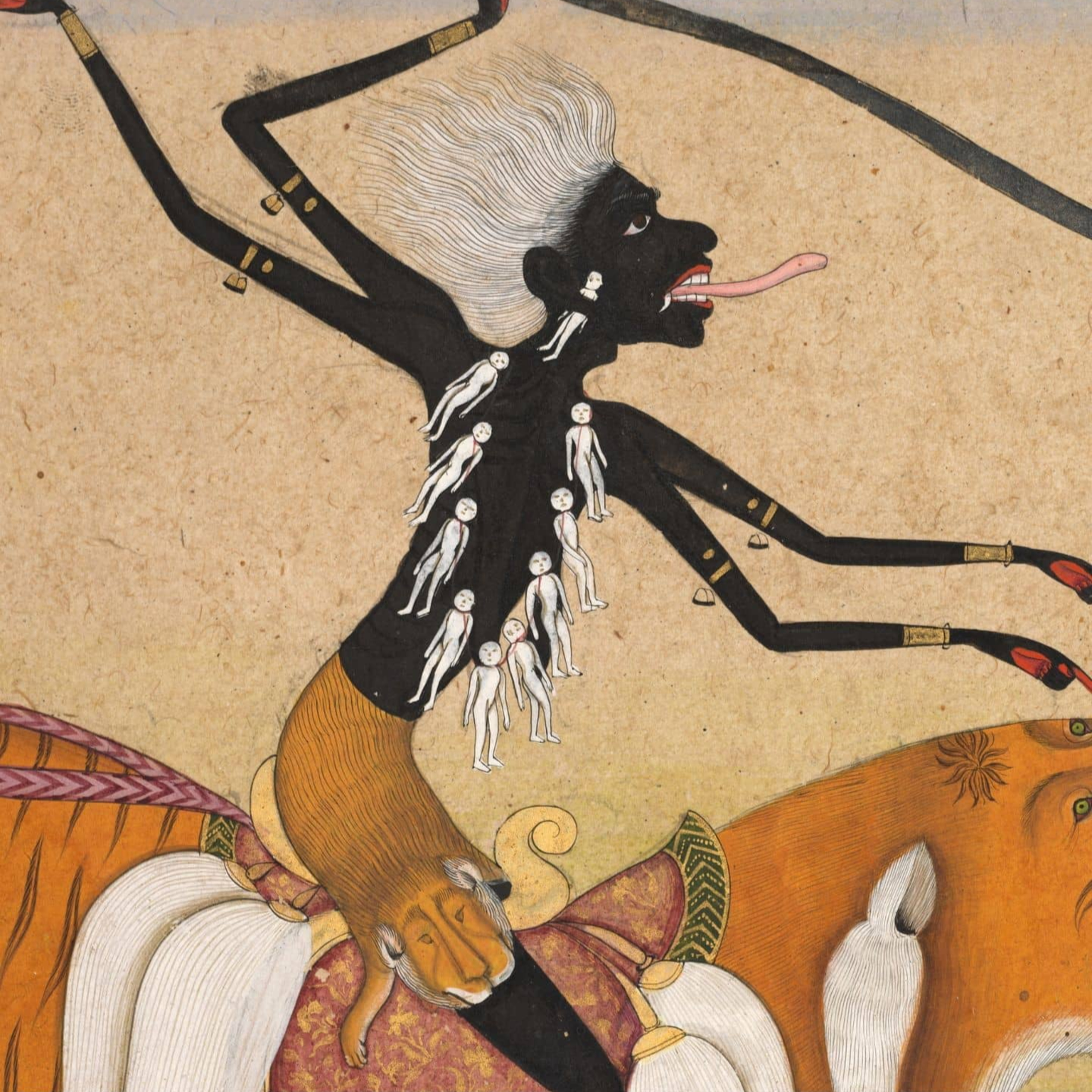
Benudhar Rajkhowa’s Assamese Demonology is a rare and forbidden ethnographic treasure—an unfiltered record of the terrifying, comical, and mystical world of Assam’s indigenous spirits. First published in 1905, this work documents the occult beliefs, supernatural classifications, exorcist traditions, and haunting legends passed orally across generations in India's northeast.Far from sanitized mythology, this book enters the raw world of folk spirit lore, where malignant demons, household gods, forest entities, and celestial punishers dwell just beneath the surface of everyday life.Rajkhowa organizes the spirit world into classes:Subterranean – Spirits guarding buried treasures or haunting desolate marshes.Terrestrial – Including aquatic demons like the fish-loving Bak, forest spirits like Chaman, and terrifying spirits like the Dot, who drags humans into muddy death-traps.Aerial – Like Bardaichila, a feminine storm-spirit who causes seasonal cyclones while journeying from her parental home.Celestial – Vengeful forms of familiar gods like Kali and Durga, who cause smallpox, deformities, and famine if angered.Among these are many unique entities:The Dot: an 18-foot-tall, fish-net-carrying spirit who lives in abandoned ponds and becomes a servant if his talismanic bag is stolen.Alakhani: a mischievous bamboo-dwelling female imp who trances her victims through song.Bhoot, Pisach, Peret, Daini: variants of ghosts, cannibals, wandering dead, and witches drawn from both Sanskrit and tribal roots.Markuchia: a demon that attacks unborn children in the womb.Parooa: a seductive spirit who leads travelers astray using illusion and music.The book is rich with:Vivid rituals of exorcism, including mustard seed defenses, spectral traps, and mantra invocationsAccounts of possession, haunted groves, cursed crossroads, and ritual appeasementDescriptions of real haunted sites and known exorcists, kept secret by villagersSongs and incantations preserved in oral tradition, some never before written in EnglishRajkhowa makes it clear—these spirits are not metaphors. They are living beliefs, woven into the Assamese worldview where illness, death, madness, and even misfortune are often attributed to supernatural interference.With contributions from colonial officials and local oral historians, the text walks the line between anthropology and arcane ethnomancy. The language retains the texture of lived culture, unfiltered by modern Western skepticism.This is not merely a collection of folk tales. It is a book of spells, ghost lore, and forbidden theologies, a snapshot of a cultural consciousness still haunted by its unseen ancestors. For occultists, folklorists, or those drawn to the dark corners of Indian mysticism, this is a must-read grimoire of regional demonology.
Embed this episode
NOW PLAYING
Assamese Demonology: Forbidden Spirits, Pagan Exorcisms, and the Hidden Lore of India's Dark Folklore
No transcript for this episode yet
Similar Episodes
No similar episodes found.