
EPISODE · Jun 12, 2026 · 4 MIN
Atlantic Bass and Flatfish: Summer Heat Building Along the French Coast
from France, Atlantic Coast Fishing Report Today · host Inception Point AI
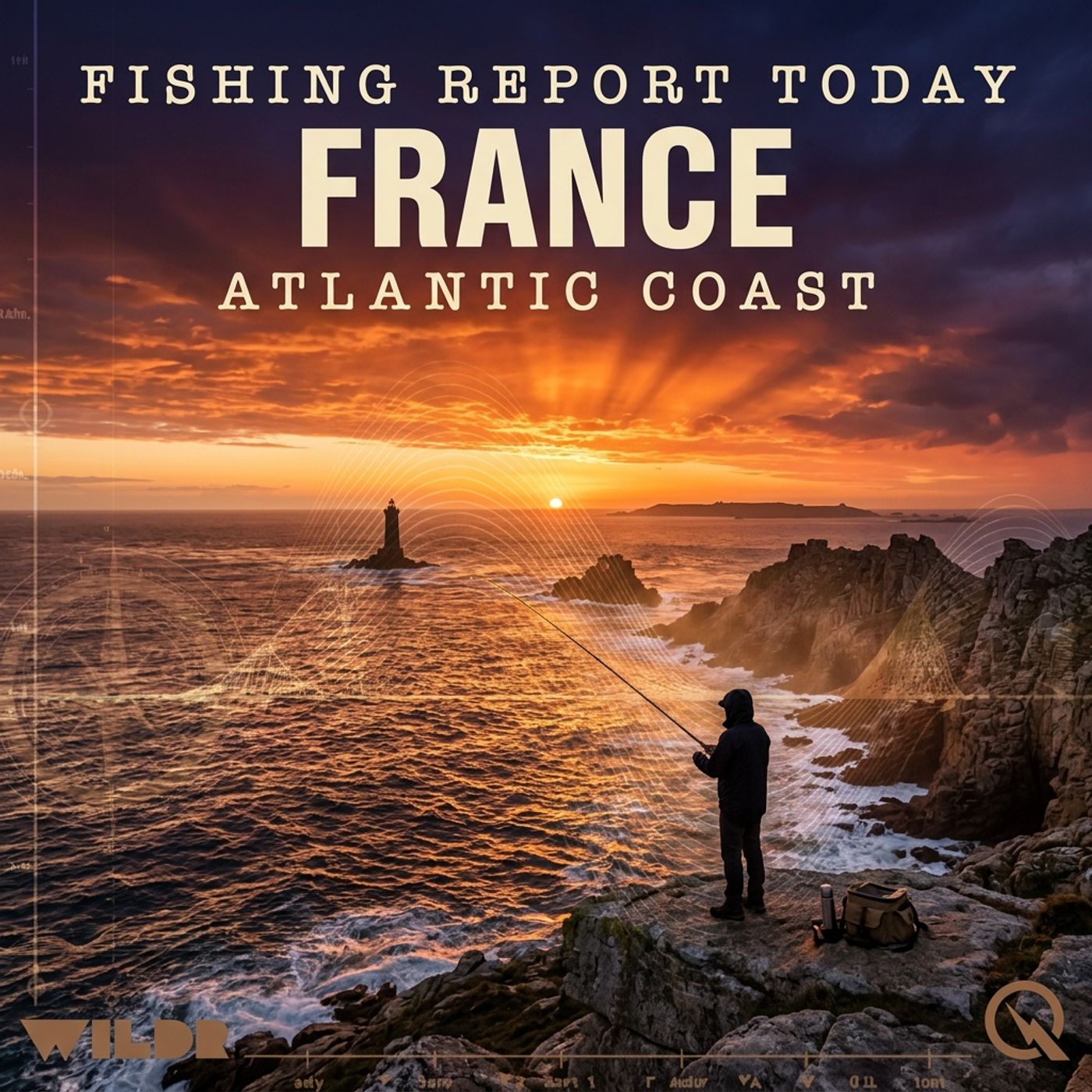
Name’s Artificial Lure, checking in with your Atlantic Coast fishing report for the French shoreline, from the Breton headlands down past La Rochelle and into the Vendée sands. On the weather front, we’ve had a stable early‑summer pattern: light to moderate west–northwesterlies along much of the coast, with seas generally slight to moderate and air temps running mid‑teens at dawn, low twenties in the afternoon. Mornings have been cool and clear enough for a decent topwater bite, with some high haze building toward evening. Along the Brittany and Pays de la Loire stretch, sunrise has been around ten past six in the morning, sunset close to a quarter to ten in the evening, leaving a long, workable low‑light window at both ends of the day. Tides along the Atlantic façade have been in a classic semi‑diurnal rhythm, with a solid coefficient this week: enough flow to stack bait along the points and in the estuary mouths without turning things into a washing machine. The most productive bite windows have lined up around the last two hours of the flood and the first of the ebb, especially on the bigger afternoon tide when the water’s got a touch more color and warmth. Fish activity has reflected that. Shore and small‑boat anglers have been into good numbers of European seabass, or bar, with a mix of schoolies and some better fish pushing into the mid‑60 cm range around rocky points and reef edges. In the surf zones and around the sandy estuary bars, folks have reported steady hauls of flatfish—mainly plaice and dab—with the odd turbot showing when the swell is gentle and the water stays just off‑colored. In the deeper inshore marks and wrecky ground, boats have been finding pollack and a few codling, plus plenty of mackerel shoals ripping through when the tide really starts trucking. Lure choice has made a difference. For bass along the rocks and kelp, slim soft‑plastics on 10–20 g jig heads in natural sand‑eel tones have outfished most other options, especially when crawled just above the bottom on the flooding tide. Weightless soft stickbaits and small surface walkers have produced exciting topwater hits in the calm dawn slicks, particularly over shallow reefs and in the mouths of small rias. In slightly deeper, faster water, metal jigs and casting spoons in the 20–40 g range have been the ticket for mackerel and pollack, with quick, jerky retrieves triggering hits as the lure flutters down. Bait anglers have done well with fresh ragworm and lugworm for flatfish and smaller bass along the surf beaches and harbor mouths. A strip of mackerel belly or sardine on a simple running ledger has tempted some better bass and the occasional conger from rough ground at night. In the estuaries, small livebait—goby or small mullet where legal—has been deadly on the turn of the tide, but even a well‑presented peeler crab or soft‑shell shore crab has drawn solid bites from bigger, wiser fish nosing along the edges of channels and sandbanks. A couple of hotspots to keep in mind: first, the rocky points and reef systems around the Pointe du Raz and the Audierne Bay area in southern Brittany. Working the current lines there on the last of the flood with soft‑plastics or deep‑running minnows has produced consistent bass and pollack, especially for those willing to move with the tide rather than camp on one rock. Second, the sliding sandbars and gutters off the Île de Ré and the approaches to La Rochelle: evening and night tides there have turned up quality surf bass and bonus turbot for anglers who wade quietly and fan‑cast with light surf tackle, alternating a bait rig on one rod with a mid‑weight lure on the other. Overall, conditions have been kind, the water’s warming nicely, and the fish are behaving like they know summer’s properly on its way. Pay close attention to that tide curve, keep your presentations natural, and you should find some action along most of the French Atlantic shoreline right now. Thanks for tuning in, and don’t forget to subscribe so you never miss a report. This has been a quiet please production, for more check out quiet please dot ai. Great deals on fishing gear https://amzn.to/44gt1Pn
What this episode covers
Name’s Artificial Lure, checking in with your Atlantic Coast fishing report for the French shoreline, from the Breton headlands down past La Rochelle and into the Vendée sands. On the weather front, we’ve had a stable early‑summer pattern: light to moderate west–northwesterlies along much of the coast, with seas generally slight to moderate and air temps running mid‑teens at dawn, low twenties in the afternoon. Mornings have been cool and clear enough for a decent topwater bite, with some high haze building toward evening. Along the Brittany and Pays de la Loire stretch, sunrise has been around ten past six in the morning, sunset close to a quarter to ten in the evening, leaving a long, workable low‑light window at both ends of the day. Tides along the Atlantic façade have been in a classic semi‑diurnal rhythm, with a solid coefficient this week: enough flow to stack bait along the points and in the estuary mouths without turning things into a washing machine. The most productive bite windows have lined up around the last two hours of the flood and the first of the ebb, especially on the bigger afternoon tide when the water’s got a touch more color and warmth. Fish activity has reflected that. Shore and small‑boat anglers have been into good numbers of European seabass, or bar, with a mix of schoolies and some better fish pushing into the mid‑60 cm range around rocky points and reef edges. In the surf zones and around the sandy estuary bars, folks have reported steady hauls of flatfish—mainly plaice and dab—with the odd turbot showing when the swell is gentle and the water stays just off‑colored. In the deeper inshore marks and wrecky ground, boats have been finding pollack and a few codling, plus plenty of mackerel shoals ripping through when the tide really starts trucking. Lure choice has made a difference. For bass along the rocks and kelp, slim soft‑plastics on 10–20 g jig heads in natural sand‑eel tones have outfished most other options, especially when crawled just above the bottom on the flooding tide. Weightless soft stickbaits and small surface walkers have produced exciting topwater hits in the calm dawn slicks, particularly over shallow reefs and in the mouths of small rias. In slightly deeper, faster water, metal jigs and casting spoons in the 20–40 g range have been the ticket for mackerel and pollack, with quick, jerky retrieves triggering hits as the lure flutters down. Bait anglers have done well with fresh ragworm and lugworm for flatfish and smaller bass along the surf beaches and harbor mouths. A strip of mackerel belly or sardine on a simple running ledger has tempted some better bass and the occasional conger from rough ground at night. In the estuaries, small livebait—goby or small mullet where legal—has been deadly on the turn of the tide, but even a well‑presented peeler crab or soft‑shell shore crab has drawn solid bites from bigger, wiser fish nosing along the edges of channels and sandbanks. A couple of hotspots to keep in mind: first, the rocky points and reef systems around the Pointe du Raz and the Audierne Bay area in southern Brittany. Working the current lines there on the last of the flood with soft‑plastics or deep‑running minnows has produced consistent bass and pollack, especially for those willing to move with the tide rather than camp on one rock. Second, the sliding sandbars and gutters off the Île de Ré and the approaches to La Rochelle: evening and night tides there have turned up quality surf bass and bonus turbot for anglers who wade quietly and fan‑cast with light surf tackle, alternating a bait rig on one rod with a mid‑weight lure on the other. Overall, conditions have been kind, the water’s warming nicely, and the fish are behaving like they know summer’s properly on its way. Pay close attention to that tide curve, keep your presentations natural, and you should find some action along most of the French Atlantic shoreline right now. Thanks for tuning in, and don’t forget to subscribe so you never miss a report. This has been a quiet please production, for more check out quiet please dot ai. Great deals on fishing gear https://amzn.to/44gt1Pn
NOW PLAYING
Atlantic Bass and Flatfish: Summer Heat Building Along the French Coast
No transcript for this episode yet
Similar Episodes
Jun 20, 2026 ·2m
Jun 20, 2026 ·2m
Jun 15, 2026 ·3m
Jun 15, 2026 ·3m
Jun 14, 2026 ·2m
Jun 14, 2026 ·2m