
EPISODE · Apr 14, 2026 · 32 MIN
Attachment and the Emotional Meaning of Food
from Attach Together · host Optima Health Services
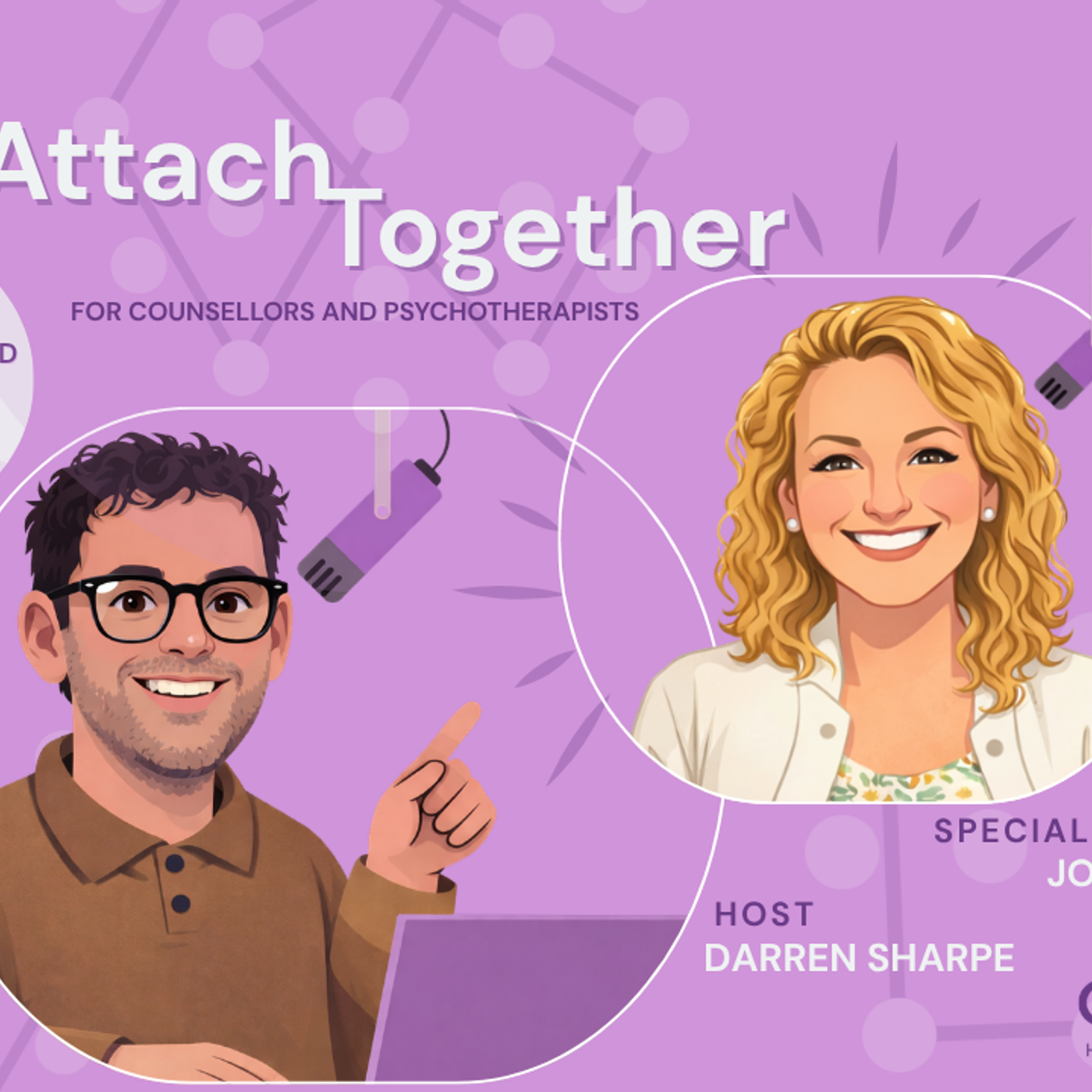
Attachment theory, attachment styles, relationships and therapy all shape how clients experience food, soothing and care. In this episode of Attach Together, Darren is joined by therapist, supervisor and Optima tutor Jo Oxley to explore attachment and disordered eating through an attachment-informed lens.Attachment and disordered eating is not only about food choices. It can reflect early relational experiences around feeding, comfort, attunement, shame, reward, control and soothing. Jo explores how food may become more than nutrition: it can carry memories of care, absence, pressure, comfort, deprivation or emotional survival.In this episodeJo and Darren explore how feeding is one of the earliest attachment experiences we have, and how those moments can shape internal working models around safety, need, nurture and self-soothing. The conversation also considers how family dinner-table dynamics, emotional neglect, reward systems, and modern digital distractions may all influence a person’s relationship with food.🔎What you’ll learnHow feeding becomes an early relational experience, not just a biological oneWhy food can become linked to comfort, soothing and emotional survivalThe role of family dinner-table dynamics in shaping later food patternsWhy food may function as a substitute attachment figureThe difference between disordered eating and a formal eating disorderHow shame, guilt, reward and self-denial can become entangled with eatingWhether different insecure attachment styles may relate differently to foodHow therapists can work with clients who bring food into the therapy room🕝 Chapters00:00 Introduction01:24 Why explore attachment and food?03:00 Feeding as an early attachment experience06:19 Family dinner tables and relational meaning08:23 Phones, disconnection and food rituals10:09 Food as soothing, reward and shame12:16 Food addiction and emotional regulation17:53 Which attachment styles are most affected?20:35 Therapeutic takeaway for practitioners23:25 Dilemma: client eating during the session28:21 Training opportunities at Optima31:47 Closing reflectionsCommon questionsWhat is attachment and disordered eating?It is the link between early attachment experiences and later patterns of using food for comfort, control, soothing or emotional survival.How does attachment affect eating patterns?Attachment affects how people regulate distress, seek comfort, experience need and relate to care. Food may become a way to manage feelings when relational soothing feels unavailable or unsafe.How can disordered eating show up in therapy?Clients may describe bingeing, yo-yo dieting, guilt around food, using food as reward, or bringing food into sessions as a form of comfort, defence or relational support.What should therapists listen for?Listen for the story beneath the food: early feeding experiences, family dynamics, shame, comfort, self-worth, loneliness, stress and unmet relational needs.🎓Resources Mentioned• Optima Level 5 & Level 7 Diplomas in Attachment Theory & Attachment-Based PsychotherapyLinda Cundy — Love in a Digital AgeFREE CPD Certificate & Reflection PackYou can download the FREE CPD Certificate for this episode via our website www.optimahealthservices.co.uk and join our listener list to receive the Reflection Pack for future episodes.
What this episode covers
Attachment theory, attachment styles, relationships and therapy all shape how clients experience food, soothing and care. In this episode of Attach Together, Darren is joined by therapist, supervisor and Optima tutor Jo Oxley to explore attachment and disordered eating through an attachment-informed lens.Attachment and disordered eating is not only about food choices. It can reflect early relational experiences around feeding, comfort, attunement, shame, reward, control and soothing. Jo explores how food may become more than nutrition: it can carry memories of care, absence, pressure, comfort, deprivation or emotional survival.In this episodeJo and Darren explore how feeding is one of the earliest attachment experiences we have, and how those moments can shape internal working models around safety, need, nurture and self-soothing. The conversation also considers how family dinner-table dynamics, emotional neglect, reward systems, and modern digital distractions may all influence a person’s relationship with food.🔎What you’ll learnHow feeding becomes an early relational experience, not just a biological oneWhy food can become linked to comfort, soothing and emotional survivalThe role of family dinner-table dynamics in shaping later food patternsWhy food may function as a substitute attachment figureThe difference between disordered eating and a formal eating disorderHow shame, guilt, reward and self-denial can become entangled with eatingWhether different insecure attachment styles may relate differently to foodHow therapists can work with clients who bring food into the therapy room🕝 Chapters00:00 Introduction01:24 Why explore attachment and food?03:00 Feeding as an early attachment experience06:19 Family dinner tables and relational meaning08:23 Phones, disconnection and food rituals10:09 Food as soothing, reward and shame12:16 Food addiction and emotional regulation17:53 Which attachment styles are most affected?20:35 Therapeutic takeaway for practitioners23:25 Dilemma: client eating during the session28:21 Training opportunities at Optima31:47 Closing reflectionsCommon questionsWhat is attachment and disordered eating?It is the link between early attachment experiences and later patterns of using food for comfort, control, soothing or emotional survival.How does attachment affect eating patterns?Attachment affects how people regulate distress, seek comfort, experience need and relate to care. Food may become a way to manage feelings when relational soothing feels unavailable or unsafe.How can disordered eating show up in therapy?Clients may describe bingeing, yo-yo dieting, guilt around food, using food as reward, or bringing food into sessions as a form of comfort, defence or relational support.What should therapists listen for?Listen for the story beneath the food: early feeding experiences, family dynamics, shame, comfort, self-worth, loneliness, stress and unmet relational needs.🎓Resources Mentioned• Optima Level 5 & Level 7 Diplomas in Attachment Theory & Attachment-Based PsychotherapyLinda Cundy — Love in a Digital AgeFREE CPD Certificate & Reflection PackYou can download the FREE CPD Certificate for this episode via our website www.optimahealthservices.co.uk and join our listener list to receive the Reflection Pack for future episodes.
NOW PLAYING
Attachment and the Emotional Meaning of Food
No transcript for this episode yet
Similar Episodes
Mar 1, 2026 ·71m
Jan 31, 2026 ·60m
Jan 29, 2026 ·39m
Jan 14, 2026 ·25m
Jan 8, 2026 ·7m