
EPISODE · May 7, 2026 · 2H 55M
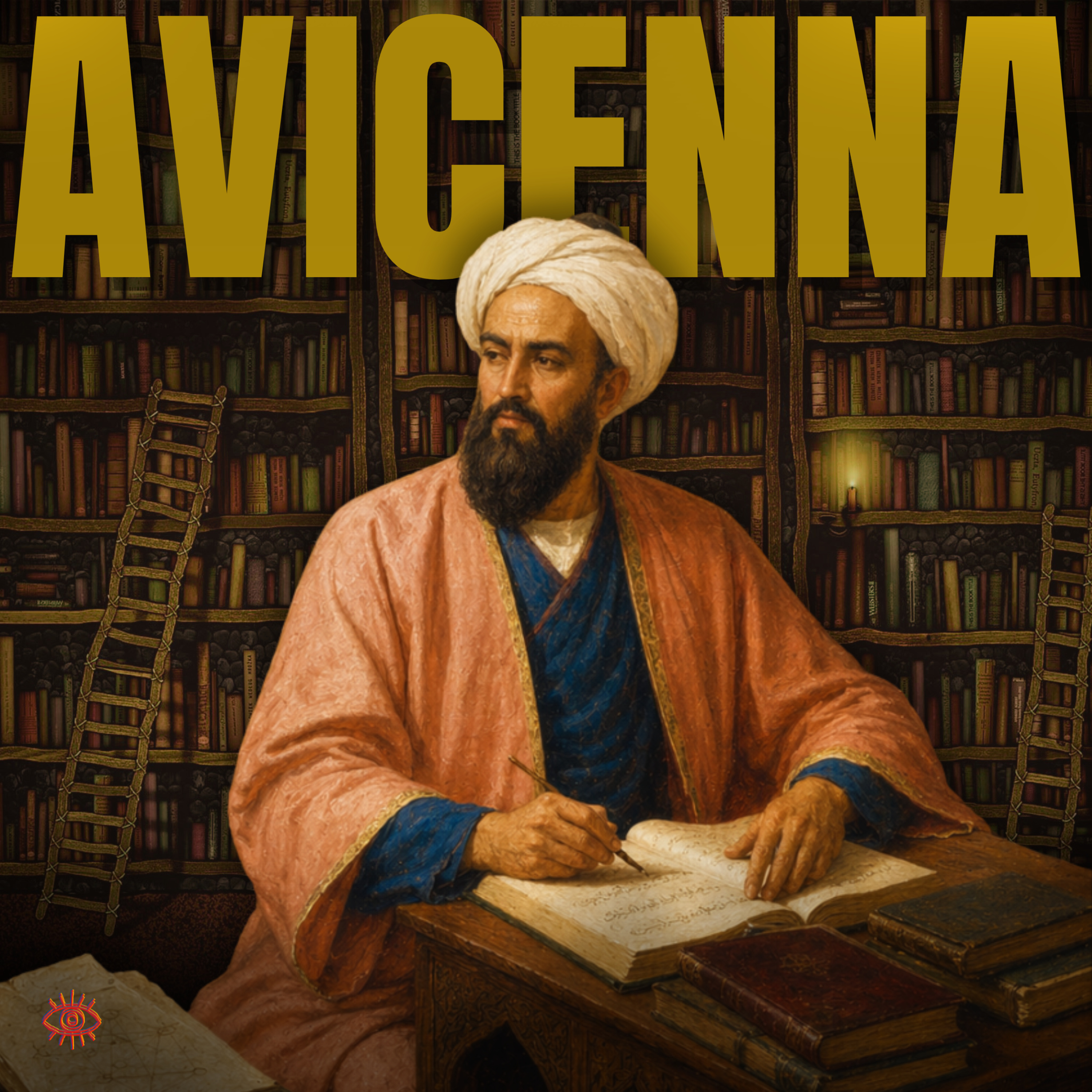
Avicenna | The Most Prolific Polymath of the Islamic Golden Age
from sleepyphilosophyradio · host slphilosophy
Vote on what comes next: https://www.sleepyphilosophyradio.com/voteHow did a physician writing by lamplight in a mountain fortress come to shape five centuries of world philosophy?The philosopher who called himself Avicenna was born in nine hundred and eighty near Bukhara, memorized the Quran at ten, read Aristotle's Metaphysics forty times, and then built a philosophical system so comprehensive that it became, in two separate civilizations, the foundation on which later thought was constructed. This episode traces his life from the Samanid libraries of his childhood through the courts and prisons of his middle years to the final synthesis he achieved in Isfahan. We work through his great philosophical encyclopedia, his proof that a necessary being must exist, his famous thought experiment about a soul floating in empty space with no sensory contact of any kind, his account of the inner faculties of the mind, his theory of how prophetic knowledge works, and the three allegorical works that say what the philosophy cannot quite say in argument. We follow his ideas into the Latin West, where Thomas Aquinas read and transformed them, and through the Islamic tradition, where Suhrawardi and Mulla Sadra built new philosophies on his foundations. One of the great minds of any civilization, examined at full length.Please listen only in safe, restful contexts.(0:00:00) The Life of a Wandering Mind(0:15:52) The Inheritance(0:25:13) The Book of Healing(0:33:10) The New Logic(0:40:44) Nature and Causation(0:48:07) Essence and Existence(0:55:20) The Necessary Existent(1:02:26) The Floating Man(1:09:17) The Faculties of the Soul(1:16:59) Intellect and Illumination(1:23:47) The Book of Salvation(1:29:31) The Canon of Medicine(1:36:44) Medicine as Philosophy(1:43:26) Creation by Necessity(1:49:59) Prophecy and the Highest Knowing(1:56:11) The Visionary Recitals(2:01:29) The Book of Pointers and Reminders(2:07:24) The Problem of Universals(2:13:29) The Self and Consciousness(2:19:58) The Imagination and the Soul(2:26:16) The Incoherence Controversy(2:32:18) Poetry and Inner Life(2:36:52) Avicenna in the Latin West(2:42:55) Avicenna's Islamic Heirs(2:49:06) LegacySUGGESTED READINGJon McGinnis, Avicenna, Oxford University Press: https://amzn.to/3P1DYzqLenn E. Goodman, Avicenna, Cornell University Press: https://amzn.to/42sIwloSeyyed Hossein Nasr and Oliver Leaman (editors), History of Islamic Philosophy, Routledge: https://amzn.to/41Zp7seAll research and writing is done personally. Music by Kevin MacLeod (incompetech.com), licensed under Creative Commons: By Attribution 4.0 License.If this helped you rest, consider following Sleepy Philosophy Radio for more gentle, longform philosophy.
What this episode covers
Vote on what comes next: https://www.sleepyphilosophyradio.com/voteHow did a physician writing by lamplight in a mountain fortress come to shape five centuries of world philosophy?The philosopher who called himself Avicenna was born in nine hundred and eighty near Bukhara, memorized the Quran at ten, read Aristotle's Metaphysics forty times, and then built a philosophical system so comprehensive that it became, in two separate civilizations, the foundation on which later thought was constructed. This episode traces his life from the Samanid libraries of his childhood through the courts and prisons of his middle years to the final synthesis he achieved in Isfahan. We work through his great philosophical encyclopedia, his proof that a necessary being must exist, his famous thought experiment about a soul floating in empty space with no sensory contact of any kind, his account of the inner faculties of the mind, his theory of how prophetic knowledge works, and the three allegorical works that say what the philosophy cannot quite say in argument. We follow his ideas into the Latin West, where Thomas Aquinas read and transformed them, and through the Islamic tradition, where Suhrawardi and Mulla Sadra built new philosophies on his foundations. One of the great minds of any civilization, examined at full length.Please listen only in safe, restful contexts.(0:00:00) The Life of a Wandering Mind(0:15:52) The Inheritance(0:25:13) The Book of Healing(0:33:10) The New Logic(0:40:44) Nature and Causation(0:48:07) Essence and Existence(0:55:20) The Necessary Existent(1:02:26) The Floating Man(1:09:17) The Faculties of the Soul(1:16:59) Intellect and Illumination(1:23:47) The Book of Salvation(1:29:31) The Canon of Medicine(1:36:44) Medicine as Philosophy(1:43:26) Creation by Necessity(1:49:59) Prophecy and the Highest Knowing(1:56:11) The Visionary Recitals(2:01:29) The Book of Pointers and Reminders(2:07:24) The Problem of Universals(2:13:29) The Self and Consciousness(2:19:58) The Imagination and the Soul(2:26:16) The Incoherence Controversy(2:32:18) Poetry and Inner Life(2:36:52) Avicenna in the Latin West(2:42:55) Avicenna's Islamic Heirs(2:49:06) LegacySUGGESTED READINGJon McGinnis, Avicenna, Oxford University Press: https://amzn.to/3P1DYzqLenn E. Goodman, Avicenna, Cornell University Press: https://amzn.to/42sIwloSeyyed Hossein Nasr and Oliver Leaman (editors), History of Islamic Philosophy, Routledge: https://amzn.to/41Zp7seAll research and writing is done personally. Music by Kevin MacLeod (incompetech.com), licensed under Creative Commons: By Attribution 4.0 License.If this helped you rest, consider following Sleepy Philosophy Radio for more gentle, longform philosophy.
NOW PLAYING
Avicenna | The Most Prolific Polymath of the Islamic Golden Age
No transcript for this episode yet
Similar Episodes
No similar episodes found.
Similar Podcasts
No similar podcasts found.