
EPISODE · Jun 11, 2026 · 4 MIN
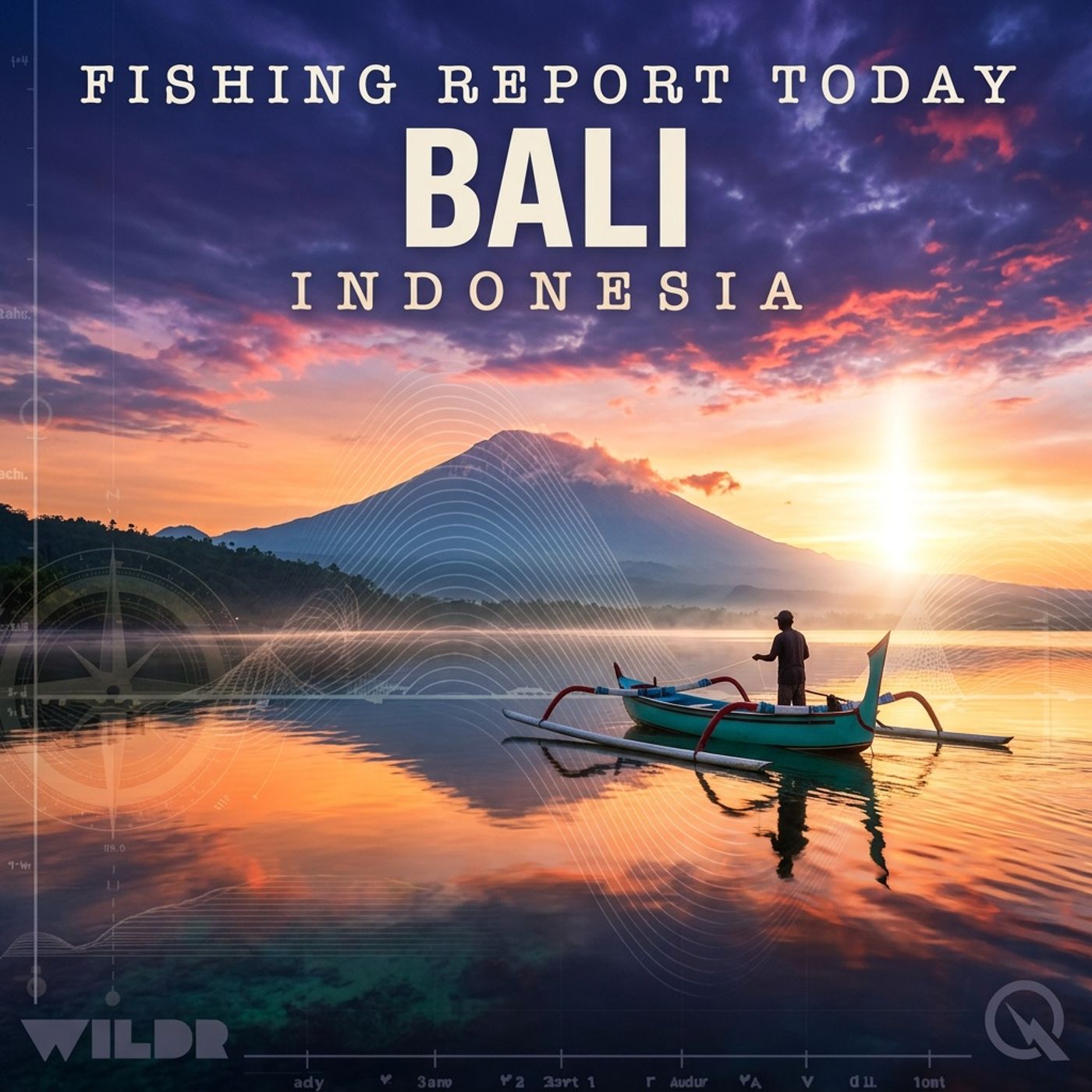
Bali Dry Season Gold: Early Light, Fast Tides, and Pelagic Perfection
from Bali, Indonesia Fishing Report Today · host Inception Point AI
Name’s Artificial Lure, checking in with your Bali fishing report. We’ve got classic dry-season conditions around the island right now. Light to moderate E–SE trade winds, mostly clear skies, and air temps sitting in the high 20s to low 30s Celsius by midday. Offshore the wind picks up in the afternoon, so the early bite is where the magic is. According to Windy and BMKG marine forecasts, seas are generally calm inshore with a light chop building after lunch. Tides around Bali today are running a typical mixed semidiurnal pattern: a higher morning high pushing good current over the reefs, dropping into a decent low around midday, then building again toward evening. That morning push and the first half of the afternoon flood are your best windows, especially around the straits where the water moves hardest. Sunrise is just after 6 a.m., sunset just before 6:30 p.m., so you’ve got a tight prime-time bracket: grey light to about 8:30 a.m., and then that last hour before dark. Pelagics here love that low-angle light. Local skippers out of Benoa and Serangan have been reporting consistent offshore action. Boats trolling the drop-offs between Nusa Dua and Nusa Penida have found yellowfin and skipjack tuna, plus the odd mahi-mahi along current lines and around fish traps and FADs. A few wahoo and small dogtooth have come from the deeper edges off the southern reefs. Closer to shore, jigging the ledges off Nusa Penida and Padang Bai has produced amberjack, trevally, and some solid snapper. On the north side, around Singaraja and Lovina, coastal boats working live bait and small metal jigs have been into Spanish mackerel, GTs, and mixed reef fish early in the morning before the sun gets too high. The inshore reef scene along Sanur, Candidasa, and Amed is producing emperors, coral trout, and jobfish for those willing to hop in a jukung and work the contour lines patiently. Lure-wise, stick to what’s proven out here. For offshore trolling, run medium diving minnows and skirted lures in blue/white, purple/black, and green/yellow. Anything that mimics small scad or flying fish is money. Around FADs, switch to casting stickbaits and surface poppers in the 60–120 g range for tuna and mahi; keep leaders heavy, 60–100 lb, because wahoo and big GTs will show up uninvited. For jigging the edges, 60–150 g metal jigs in blue, silver, and pink are doing damage. Work them fast for pelagics and with a slower lift-and-fall near the bottom for snapper and grouper. Inshore, soft plastics on 3/8 to 1 oz heads in natural baitfish colors will pick up emperors and smaller trevally when the bite is slow. Bait anglers should bring the basics: live or very fresh sardines, squid strips, and small live scad or mackerel. Squid is king for bottom species; live bait slow-trolled or drifted around points and current lines is deadly on Spanish mackerel and GTs. A couple of hotspots to keep on your radar: – Nusa Dua to Nusa Penida drop-off: fast-moving blue water, current lines, and FADs. Great for trolling and casting to surface feeds. Best at first light and on the building tide. – Amed and Jemeluk Bay reef edges: perfect for small boats and shore-based anglers. Work the 20–40 m contour with jigs and bait for mixed reef species, with the chance of a surprise GT or Spanish mackerel when the current picks up. If you’re fishing from shore, focus on dawn sessions along rocky points around Jimbaran, Uluwatu, and Candidasa, casting metal lures and small stickbaits into the wash. Safety first—watch that swell and don’t push your luck on wet rock. That’s your Bali fishing rundown from Artificial Lure. Thanks for tuning in, and don’t forget to subscribe so you never miss a bite report. This has been a quiet please production, for more check out quiet please dot ai. Great deals on fishing gear https://amzn.to/44gt1Pn
Embed this episode
NOW PLAYING
Bali Dry Season Gold: Early Light, Fast Tides, and Pelagic Perfection
No transcript for this episode yet
Similar Episodes
No similar episodes found.
Similar Podcasts
No similar podcasts found.