
EPISODE · Nov 6, 2025 · 3H 18M
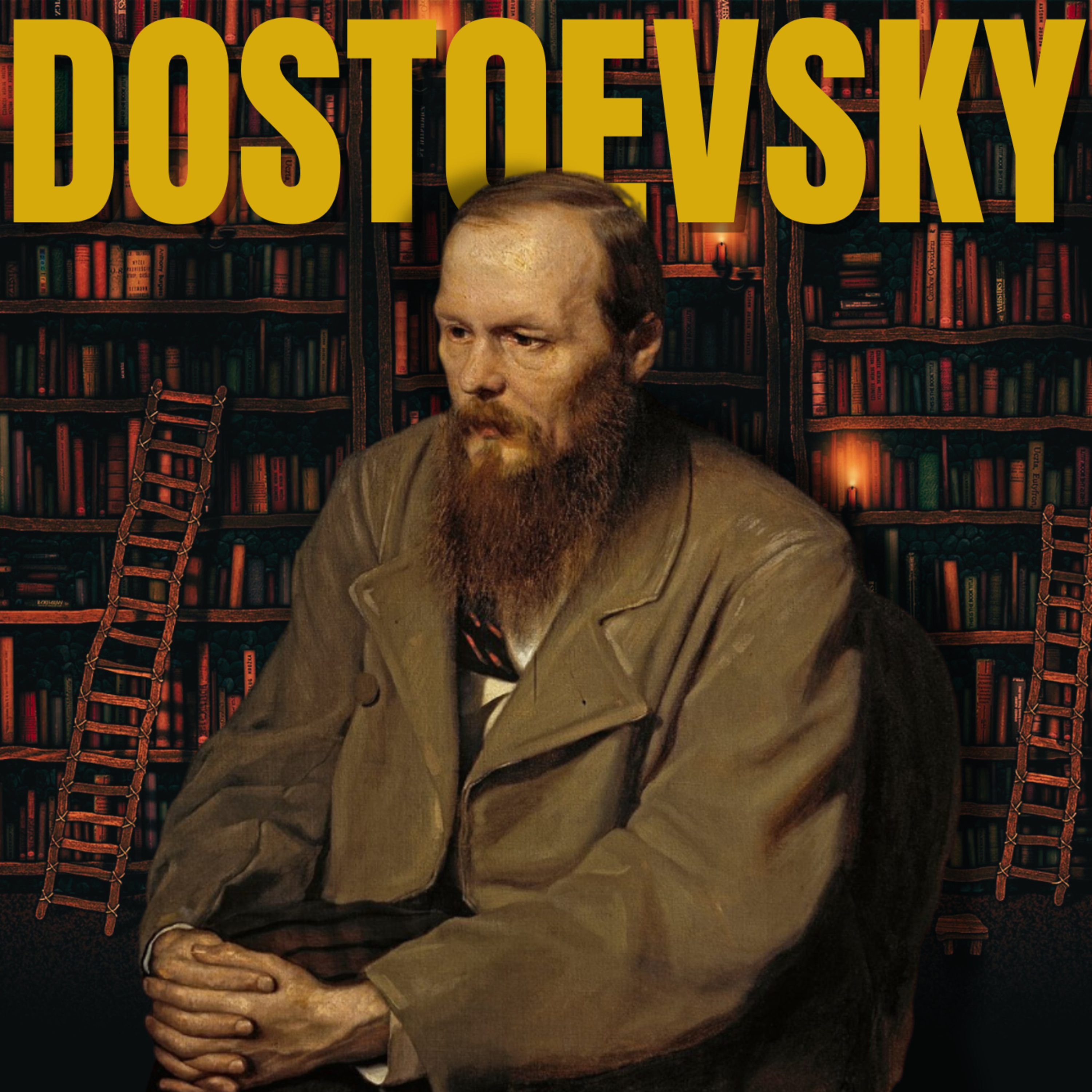
Beauty Will Save The World | Dostoevsky's Complete Philosophy
from sleepyphilosophyradio · host slphilosophy
A Deep Dive into the Mind of Fyodor DostoevskyA long, gentle exploration of the Russian novelist who understood human nature better than almost anyone. Designed for late-night listening, studying, or just letting your mind wander through some of the most profound questions ever asked.We start with his brutal years in Siberian prison, move through his masterpieces like Crime and Punishment and The Brothers Karamazov, and explore why his ideas about freedom, guilt, and redemption still matter today.No background noise, no music—just a steady, calm exploration of what it means to be human. Perfect for insomnia, studying philosophy, or anyone who's ever wondered why we do the things we do even when we know better.What We Explore:Early life and Siberian exile • Polyphony and dialogism • The Underground Man's revolt against reason • Rational egoism and the Crystal Palace • Crime and Punishment: transgression and conscience • Sonya and redemption • The Idiot: Prince Myshkin and the failure of innocence • Demons: ideology and revolutionary violence • Stavrogin and nihilism • The Brothers Karamazov: faith, doubt, and suffering • Ivan's rebellion and the Grand Inquisitor • Zosima's active love • The problem of theodicy • Double consciousness and the divided self • Freedom, shame, and responsibility • Dostoevsky's influence on existentialismChapters:00:00 - Early Life, Siberia, and Return to St. Petersburg18:39 - Polyphony and Dialogism in Dostoevsky's Art28:35 - The Underground Man and the Revolt Against Reason38:22 - Rational Egoism and the Crystal Palace46:31 - The Right to Desire and the Limits of Arithmetic54:57 - Crime and Punishment—The Logic of Transgression1:02:02 - Raskolnikov's Conscience and the Problem of Confession1:09:13 - Sonya and the Meaning of Redemption1:15:39 - The Idiot—Prince Myshkin and the Ideal of Goodness1:22:16 - Beauty, Vulnerability, and the Failure of Innocence1:29:21 - Demons—Ideology and Revolutionary Violence1:36:17 - Shigalyov's System and the Logic of Absolutism1:43:30 - Stavrogin and the Emptiness of Nihilism1:50:29 - The Brothers Karamazov—Faith, Doubt, and the Human Condition1:56:20 - Ivan Karamazov's Rebellion Against Creation2:03:37 - The Grand Inquisitor and the Problem of Freedom2:10:03 - Zosima's Teaching and the Path of Active Love2:16:18 - The Question of Theodicy and the Meaning of Suffering2:22:24 - Dmitri, Smerdyakov, and the Web of Responsibility2:29:35 - Double Consciousness and the Divided Self2:35:33 - Shame, Pride, and the Theater of Confession2:41:31 - Freedom, Personhood, and Ethical Irreducibility2:47:56 - Religion as Risk—Faith Beyond Miracle and Mystery2:53:51 - Compassion, Solidarity, and Responsibility for All3:00:01 - Dostoevsky's Psychology and the Birth of Existentialism3:06:00 - Influence and Legacy in Philosophy and Literature3:12:13 - Closing Synthesis—Life as Question, Not Solution
What this episode covers
A Deep Dive into the Mind of Fyodor DostoevskyA long, gentle exploration of the Russian novelist who understood human nature better than almost anyone. Designed for late-night listening, studying, or just letting your mind wander through some of the most profound questions ever asked.We start with his brutal years in Siberian prison, move through his masterpieces like Crime and Punishment and The Brothers Karamazov, and explore why his ideas about freedom, guilt, and redemption still matter today.No background noise, no music—just a steady, calm exploration of what it means to be human. Perfect for insomnia, studying philosophy, or anyone who's ever wondered why we do the things we do even when we know better.What We Explore:Early life and Siberian exile • Polyphony and dialogism • The Underground Man's revolt against reason • Rational egoism and the Crystal Palace • Crime and Punishment: transgression and conscience • Sonya and redemption • The Idiot: Prince Myshkin and the failure of innocence • Demons: ideology and revolutionary violence • Stavrogin and nihilism • The Brothers Karamazov: faith, doubt, and suffering • Ivan's rebellion and the Grand Inquisitor • Zosima's active love • The problem of theodicy • Double consciousness and the divided self • Freedom, shame, and responsibility • Dostoevsky's influence on existentialismChapters:00:00 - Early Life, Siberia, and Return to St. Petersburg18:39 - Polyphony and Dialogism in Dostoevsky's Art28:35 - The Underground Man and the Revolt Against Reason38:22 - Rational Egoism and the Crystal Palace46:31 - The Right to Desire and the Limits of Arithmetic54:57 - Crime and Punishment—The Logic of Transgression1:02:02 - Raskolnikov's Conscience and the Problem of Confession1:09:13 - Sonya and the Meaning of Redemption1:15:39 - The Idiot—Prince Myshkin and the Ideal of Goodness1:22:16 - Beauty, Vulnerability, and the Failure of Innocence1:29:21 - Demons—Ideology and Revolutionary Violence1:36:17 - Shigalyov's System and the Logic of Absolutism1:43:30 - Stavrogin and the Emptiness of Nihilism1:50:29 - The Brothers Karamazov—Faith, Doubt, and the Human Condition1:56:20 - Ivan Karamazov's Rebellion Against Creation2:03:37 - The Grand Inquisitor and the Problem of Freedom2:10:03 - Zosima's Teaching and the Path of Active Love2:16:18 - The Question of Theodicy and the Meaning of Suffering2:22:24 - Dmitri, Smerdyakov, and the Web of Responsibility2:29:35 - Double Consciousness and the Divided Self2:35:33 - Shame, Pride, and the Theater of Confession2:41:31 - Freedom, Personhood, and Ethical Irreducibility2:47:56 - Religion as Risk—Faith Beyond Miracle and Mystery2:53:51 - Compassion, Solidarity, and Responsibility for All3:00:01 - Dostoevsky's Psychology and the Birth of Existentialism3:06:00 - Influence and Legacy in Philosophy and Literature3:12:13 - Closing Synthesis—Life as Question, Not Solution
NOW PLAYING
Beauty Will Save The World | Dostoevsky's Complete Philosophy
No transcript for this episode yet
Similar Episodes
No similar episodes found.
Similar Podcasts
No similar podcasts found.