
EPISODE · Feb 29, 2024 · 36 MIN
Billionaire Or Black History?
from A Guy With AI · host Sean MacNutt
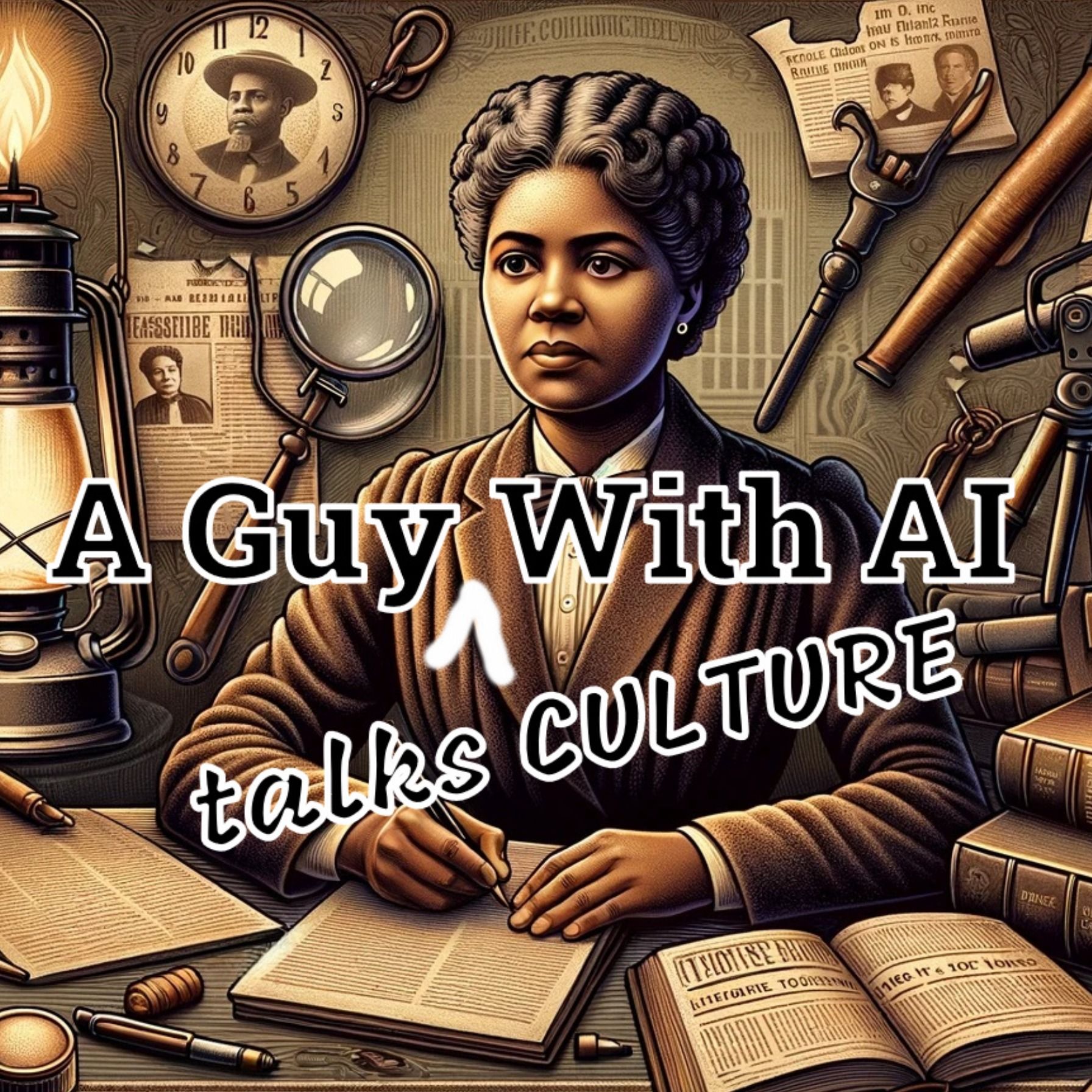
(00:03) Neglected Discussions in Black History(10:07) Navigating Social Discourse and Black History(22:22) Celebrating Black History and Intersectionality (00:03) Neglected Discussions in Black History This chapter acknowledges the end of Black History Month and the missed opportunity to focus on its significance due to the overwhelming media attention on Taylor Swift's prominence during February. I reflect on the implications of this focus for social justice, noting that while Swift's experiences as a woman in the public eye are valid, they have overshadowed important discussions on the achievements and struggles of the Black community. I argue for the necessity to balance the conversation, emphasizing the need to address a wider range of social issues, particularly those that impact marginalized groups. The chapter ends with a call to shift our collective focus towards more substantive discussions that honor Black history and contribute to the fight against systemic injustice. (10:07) Navigating Social Discourse and Black History This chapter addresses the multifaceted lens through which society engages with social issues, particularly highlighting the focus on Taylor Swift by white liberals during Black History Month, a time traditionally reserved for amplifying black voices and history. I share my observations on the disproportionate attention given to Swift on social media platforms like Facebook, eclipsing discussions about black history. We examine the role of celebrity culture, the potential performative nature of celebrity activism, and the complexities of addressing social justice in a way that both includes popular figures like Swift and remains committed to the recognition of black historical achievements. Furthermore, I reflect on the potential of celebrity involvement in activism as a gateway to broader social issues, while also expressing skepticism about its depth and impact. The chapter concludes with a call for a more inclusive approach to social justice dialogue, seeking to honor multiple narratives without detracting from the commemoration of black history. (22:22) Celebrating Black History and Intersectionality This chapter honors the legacy of Ida B. Wells, emphasizing her role in shaping Black history and her fight against injustice. I reflect on Wells' life, including her work as a journalist, her legal battle against racial discrimination on a train, and her fearless advocacy against lynching, which provoked threats and violence against her. Despite these obstacles, Wells remained a staunch defender of civil rights and women's suffrage, often confronting sexism and racism within these movements. Moving on, we acknowledge the significant contributions of Kimberly Crenshaw, who coined the term "intersectionality," connecting the concept to social justice and examining the overlapping systems of oppression related to race and gender. This discussion invites us to consider our own biases and the importance of continuous learning about the multifaceted aspects of Black history beyond designated months of recognition. Facebook PageYouTube ChannelInstagramPayPal
What this episode covers
Listen in as we wrap up Black History Month with a reflective episode that spotlights the often overlooked, yet crucial, conversations within Black history. As your hosts, we recognize the overshadowing media attention that pop culture figures like Taylor Swift received in February, questioning the impact this has on social justice narratives. We share a candid discussion about the necessity to balance our focus, ensuring that the achievements and struggles of the Black community are not sidelined. With the final day of Black History Month upon us, we reflect on the missed opportunities to honor its true significance and the importance of engaging in substantive discussions that contribute to the fight against systemic injustice. In this episode, we also pay homage to the legacy of figures like Ida B. Wells and Kimberle Crenshaw, drawing connections between their groundbreaking work and the concept of intersectionality in social justice. We acknowledge Wells' relentless fight against racial discrimination and lynching, as well as Crenshaw's influential theory that reshaped our understanding of overlapping systems of oppression. Our conversation invites listeners to consider personal biases and emphasizes the need for continuous education on the complexities of Black history, extending our recognition beyond just one month. Join us for this crucial discourse, as we strive to give voice to the narratives that shape our collective history and pave the way for a more inclusive and just society.
NOW PLAYING
Billionaire Or Black History?
No transcript for this episode yet
Similar Episodes
Mar 26, 2026 ·1m
Jan 2, 2026 ·47m
Dec 21, 2025 ·46m