
EPISODE · Nov 2, 2025 · 4 MIN
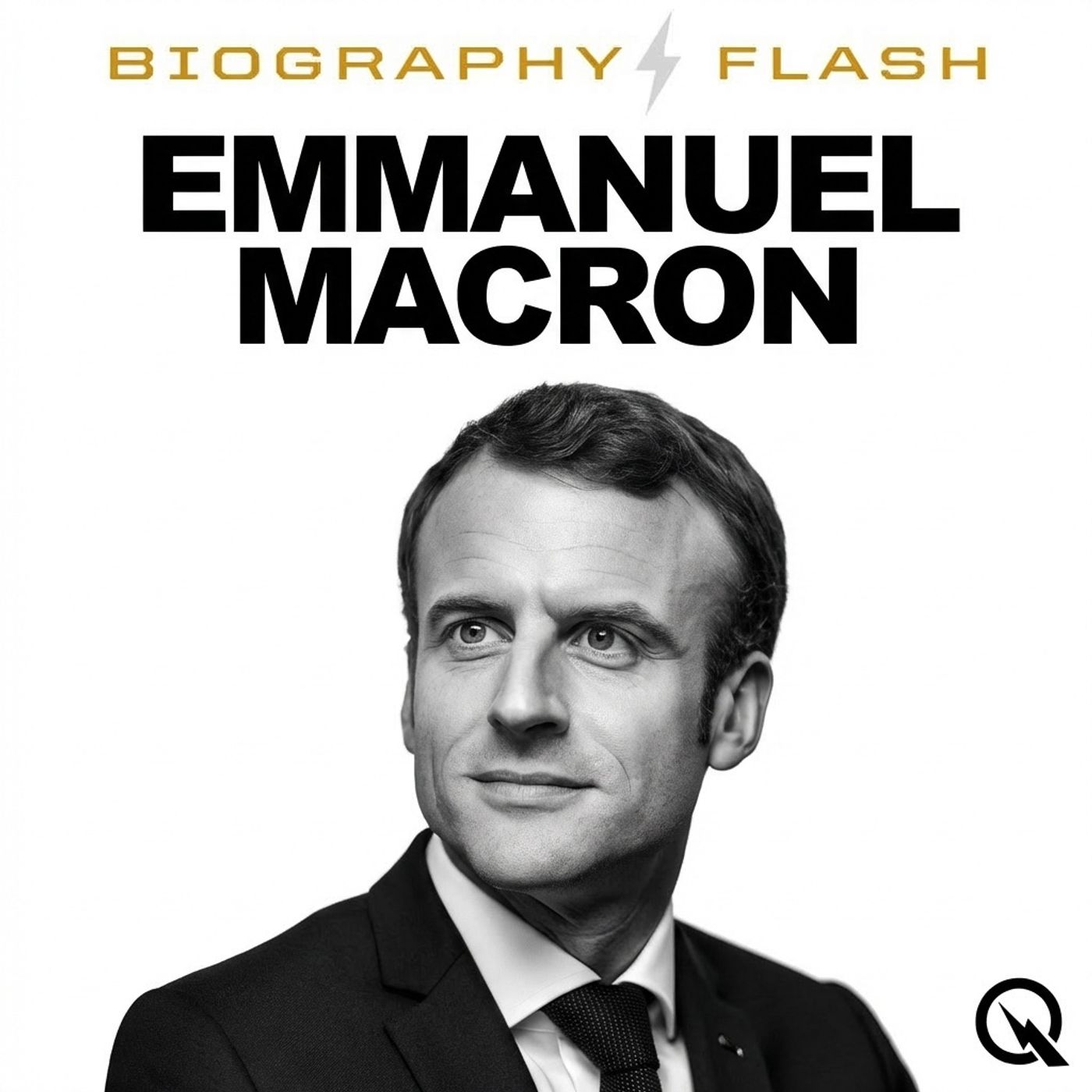
Biography Flash: Macron's Historic Approval Crash Amid Global Moves and Domestic Woes
from Emmanuel Macron - Biography Flash · host Inception Point AI
Emanuel Macron Biography Flash a weekly Biography. In the past few days, the story of Emmanuel Macron has become one of dramatic political headlines, urgent international summits, and an embattled leader whose public standing has tumbled to historic lows. The major headline dominating France this weekend is Macron’s approval rating, which has crashed to just 11 percent according to a fresh Le Figaro poll, making him the most unpopular French president in the Fifth Republic’s history, a distinction reported by both The Telegraph and Le Figaro. This astonishing figure places him on par with Francois Hollande’s record low, and serves as the sharpest signal yet that Macron is losing his grip not just on parliament, but on the public mood itself. In Paris, this crisis has spurred visible unrest: demonstrators flood the streets, activists organize grassroots protests, and there’s an undeniable sense of resignation fatigue bubbling up, with some voices now calling for Macron to step down—coverage you’ll see on DW and in social feeds where #MacronDemission has reappeared. Macron’s most consequential public moment this week came on the international stage, where he hosted a peace support conference in Paris on October 30. There, he announced that international donors, led by France, had pledged over 1.5 billion euros in humanitarian aid for Africa’s Great Lakes region, a commitment widely reported by Ecofin Agency. Standing before world leaders and UN officials, Macron declared support for reopening Goma Airport for humanitarian flights and rolled out plans for new aid corridors, blending resolve in global affairs with the hope of reclaiming at least some of his statesman’s aura. This move, seen in outlets like NYC Daily Post, underscores a paradox: Macron may be weakened at home, but he remains proactive and—some say—potent in foreign policy. At home, however, the parade of bad news continues. Macron’s government is still reeling from both the political gridlock set off by his failed gamble to dissolve the National Assembly after the 2024 European elections, and the deep parliamentary divisions that followed. His most recent budget proposal, as detailed by Caliber.az, cut further into his credibility by holding social spending flat amid cost-of-living crises and only increasing defense funding—a move critics call tone deaf. Meanwhile, former rivals Marine Le Pen and Jordan Bardella are polling at record highs, overtaking him in public support. In the media, Macron’s outspoken comments on social networks and free speech have stoked additional controversy. The Spectator and European Newsroom detail how Macron, speaking at the Paris Peace Forum this week, called for sweeping regulation of social media across Europe, decrying platforms like X and TikTok as vectors for Russian interference and toxic far-right content. He argued Europeans should quit relying on social apps for their news and return to traditional journalism—a statement interpreted by many This content was created in partnership and with the help of Artificial Intelligence AI.
Embed this episode
Ready to play
Biography Flash: Macron's Historic Approval Crash Amid Global Moves and Domestic Woes
No transcript for this episode yet
Similar Episodes
No similar episodes found.