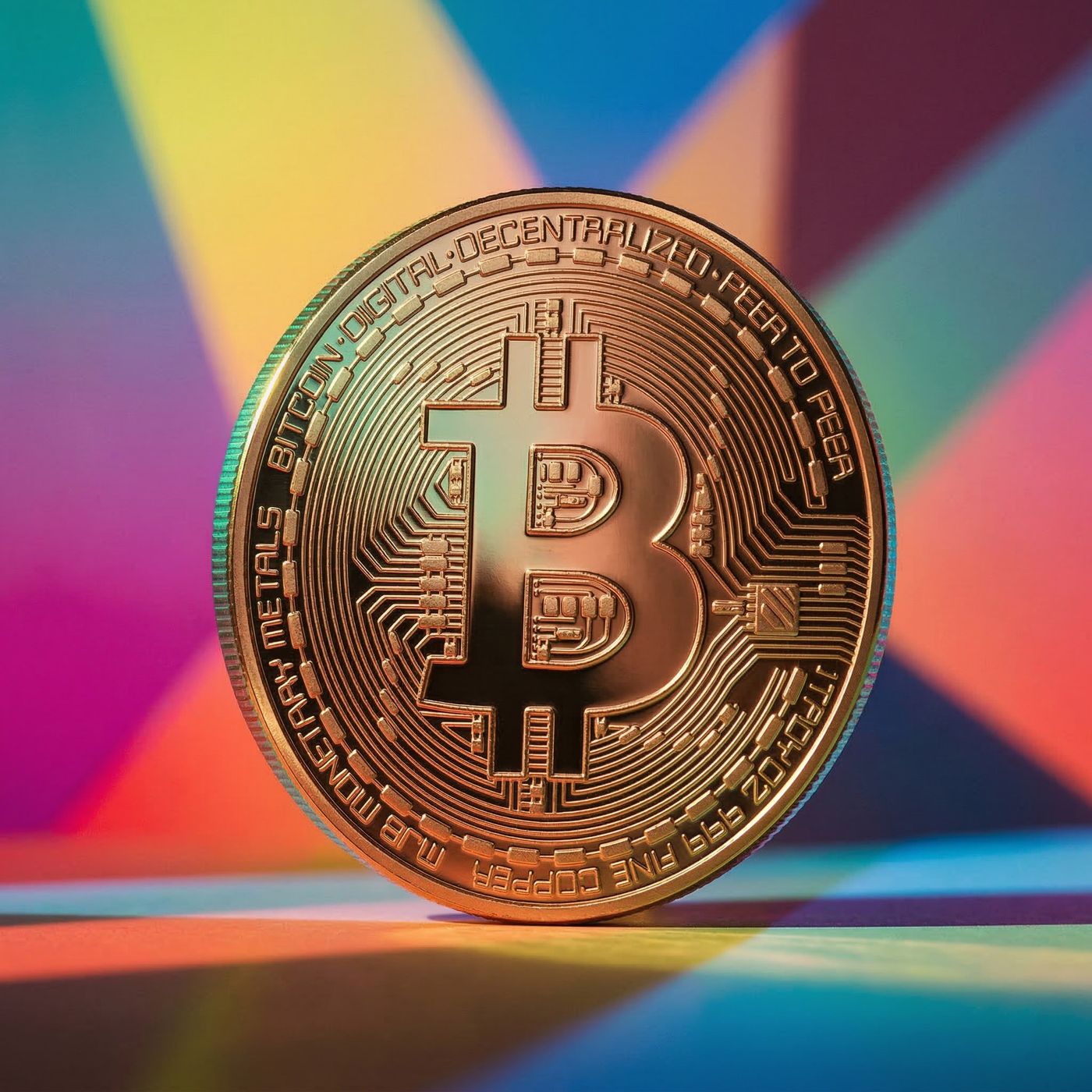
Bitcoin as a Digital Safe Haven in Economic Crises episode artwork

EPISODE · Mar 19, 2026 · 43 MIN

Bitcoin as a Digital Safe Haven in Economic Crises

from The Money Lab · host Norse Studio

The cryptocurrency market in early 2026 has demonstrated a distinct pattern of resilience following the outbreak of geopolitical conflict in the Middle East. When military strikes began in late February 2026, Bitcoin initially experienced a sharp sell-off, dropping to lows near $63,000 as investors reacted to the sudden escalation. However, this initial shock was followed by a rapid recovery, with the asset pushing through the psychological barrier of $75,000 by mid-March, marking a gain of nearly 14% since the start of the conflict.This market behavior mirrors the sequence of events observed during the first month of the invasion of Ukraine in 2022, which also saw a cycle of panic selling followed by a swift rebound and volatile consolidation. Technical indicators reinforce this comparison; the Relative Strength Index (RSI) recently touched extreme oversold conditions before rebounding into a stronger momentum phase, a trend seen in previous geopolitical shocks. Similarly, capital flow indicators suggest that dip buying remains active, with money rotating back into digital assets even as uncertainty persists.The current resilience is driven largely by market mechanics and institutional participation rather than just a shift in narrative. Institutional buyers, particularly corporate treasuries, have been noted for absorbing supply during price dips. This is evidenced by significant inflows into exchange-traded funds (ETFs), which saw approximately $1.5 billion in fresh capital during March 2026. Furthermore, the rally was supported by a short squeeze as traders closed out negative options bets, forcing market makers to buy the underlying asset to rebalance their exposure.A unique advantage of digital assets during such crises is their 24/7 trading infrastructure. When traditional markets are closed over the weekend, cryptocurrencies provide continuous price discovery and act as a release valve for risk redistribution. Following the February 2026 escalation, weekend spot trading volumes surged fourfold, reaching $8 billion as markets repriced geopolitical risks in real-time. This continuous operation allows the market to clear motivated sellers and reach a "cleaner" structure before traditional financial sessions even open.The role of digital assets as a safe haven remains a subject of intense debate. While gold typically rallies immediately during conflict-driven "risk-off" periods, Bitcoin has shown a more complex, mixed behavior, often behaving like a high-beta risk asset sensitive to liquidity and interest rate expectations in the short term. During the 2026 crisis, however, a divergence occurred: while crude oil surged over 40% and gold experienced a slight decline, Bitcoin continued to climb, challenging its traditional correlation with other assets.Looking ahead, broader macroeconomic factors such as rising inflation—driven by energy price spikes—could further strengthen the case for decentralized, scarce assets. As traditional risk assets face headwinds from "higher-for-longer" interest rate policies, the structural properties of digital assets—such as a fixed supply and independence from sovereign infrastructure—become increasingly practical advantages for value preservation. While the market may remain volatile and sensitive to further military escalations or regulatory developments, its ability to withstand the current geopolitical shock suggests a maturing asset class that investors are no longer running from, but rather entering during times of global instability.Become a supporter of this podcast: https://www.spreaker.com/podcast/the-money-lab--6886555/support.

The cryptocurrency market in early 2026 has demonstrated a distinct pattern of resilience following the outbreak of geopolitical conflict in the Middle East. When military strikes began in late February 2026, Bitcoin initially experienced a sharp sell-off, dropping to lows near $63,000 as investors reacted to the sudden escalation. However, this initial shock was followed by a rapid recovery, with the asset pushing through the psychological barrier of $75,000 by mid-March, marking a gain of nearly 14% since the start of the conflict.This market behavior mirrors the sequence of events observed during the first month of the invasion of Ukraine in 2022, which also saw a cycle of panic selling followed by a swift rebound and volatile consolidation. Technical indicators reinforce this comparison; the Relative Strength Index (RSI) recently touched extreme oversold conditions before rebounding into a stronger momentum phase, a trend seen in previous geopolitical shocks. Similarly, capital flow indicators suggest that dip buying remains active, with money rotating back into digital assets even as uncertainty persists.The current resilience is driven largely by market mechanics and institutional participation rather than just a shift in narrative. Institutional buyers, particularly corporate treasuries, have been noted for absorbing supply during price dips. This is evidenced by significant inflows into exchange-traded funds (ETFs), which saw approximately $1.5 billion in fresh capital during March 2026. Furthermore, the rally was supported by a short squeeze as traders closed out negative options bets, forcing market makers to buy the underlying asset to rebalance their exposure.A unique advantage of digital assets during such crises is their 24/7 trading infrastructure. When traditional markets are closed over the weekend, cryptocurrencies provide continuous price discovery and act as a release valve for risk redistribution. Following the February 2026 escalation, weekend spot trading volumes surged fourfold, reaching $8 billion as markets repriced geopolitical risks in real-time. This continuous operation allows the market to clear motivated sellers and reach a "cleaner" structure before traditional financial sessions even open.The role of digital assets as a safe haven remains a subject of intense debate. While gold typically rallies immediately during conflict-driven "risk-off" periods, Bitcoin has shown a more complex, mixed behavior, often behaving like a high-beta risk asset sensitive to liquidity and interest rate expectations in the short term. During the 2026 crisis, however, a divergence occurred: while crude oil surged over 40% and gold experienced a slight decline, Bitcoin continued to climb, challenging its traditional correlation with other assets.Looking ahead, broader macroeconomic factors such as rising inflation—driven by energy price spikes—could further strengthen the case for decentralized, scarce assets. As traditional risk assets face headwinds from "higher-for-longer" interest rate policies, the structural properties of digital assets—such as a fixed supply and independence from sovereign infrastructure—become increasingly practical advantages for value preservation. While the market may remain volatile and sensitive to further military escalations or regulatory developments, its ability to withstand the current geopolitical shock suggests a maturing asset class that investors are no longer running from, but rather entering during times of global instability.Become a supporter of this podcast: https://www.spreaker.com/podcast/the-money-lab--6886555/support.

NOW PLAYING

Bitcoin as a Digital Safe Haven in Economic Crises

0:00 43:15

No transcript for this episode yet

We transcribe on demand. Request one and we'll notify you when it's ready — usually under 10 minutes.

MG Show MG Show The MG Show, hosted by Jeffrey Pedersen and Shannon Townsend, is a leading alternative media platform dedicated to uncovering the truth behind today’s most pressing political issues. Launched in 2019, the show has grown exponentially, offering unfiltered insights, comprehensive research, and real-time analysis. With a commitment to independent journalism and factual integrity, the MG Show empowers its audience with knowledge and encourages active participation in the political discourse. Ask A Spaceman Archives - 365 Days of Astronomy Ask A Spaceman Archives - 365 Days of Astronomy Podcasting Astronomy Every Day of the Year Breaking News Show | eTurboNews Juergen Thomas Steinmetz News is relevant to the global travel and tourism industry, human rights and global issues.Breaking news when it happens and only from the source. いろはにマネーの「ながら学習」 IrohaniMoney この番組では、インターン生2人が、金融、経済、投資関連の気になる情報を分かりやすくお伝えしていきます。インターン生の会話を「ながら聴き」する感覚で一緒に勉強していきましょう!ご意見箱フォーム:https://forms.gle/TTGaVP2TJksNMKJo7ぜひお便りや感想をお待ちしています!公式X:https://x.com/irohanimoney番組のハッシュタグは「#いろはにながら」です。番組への感想をお待ちしています!いろはにマネー:https://www.bridge-salon.jp/money/姉妹サイト:https://kabu.bridge-salon.jp/姉妹サイト:https://bridge-salon.jp/(株)インベストメントブリッジ運営

Frequently Asked Questions

How long is this episode of The Money Lab?

This episode is 43 minutes long.

When was this The Money Lab episode published?

This episode was published on March 19, 2026.

What is this episode about?

The cryptocurrency market in early 2026 has demonstrated a distinct pattern of resilience following the outbreak of geopolitical conflict in the Middle East. When military strikes began in late February 2026, Bitcoin initially experienced a sharp...

Is there a transcript available for this episode?

Yes, a full transcript is available for this episode. You can read the complete transcript on the episode page.

Can I download this The Money Lab episode?

Yes, you can download this episode by clicking the download button on the episode player, or subscribe to the podcast in your preferred podcast app for automatic downloads.
URL copied to clipboard!