
EPISODE · Dec 14, 2021 · 1H 46M
Blood and Oil: The History of Tulsa
from Historiansplaining: A historian tells you why everything you know is wrong · host Samuel Biagetti, PhD
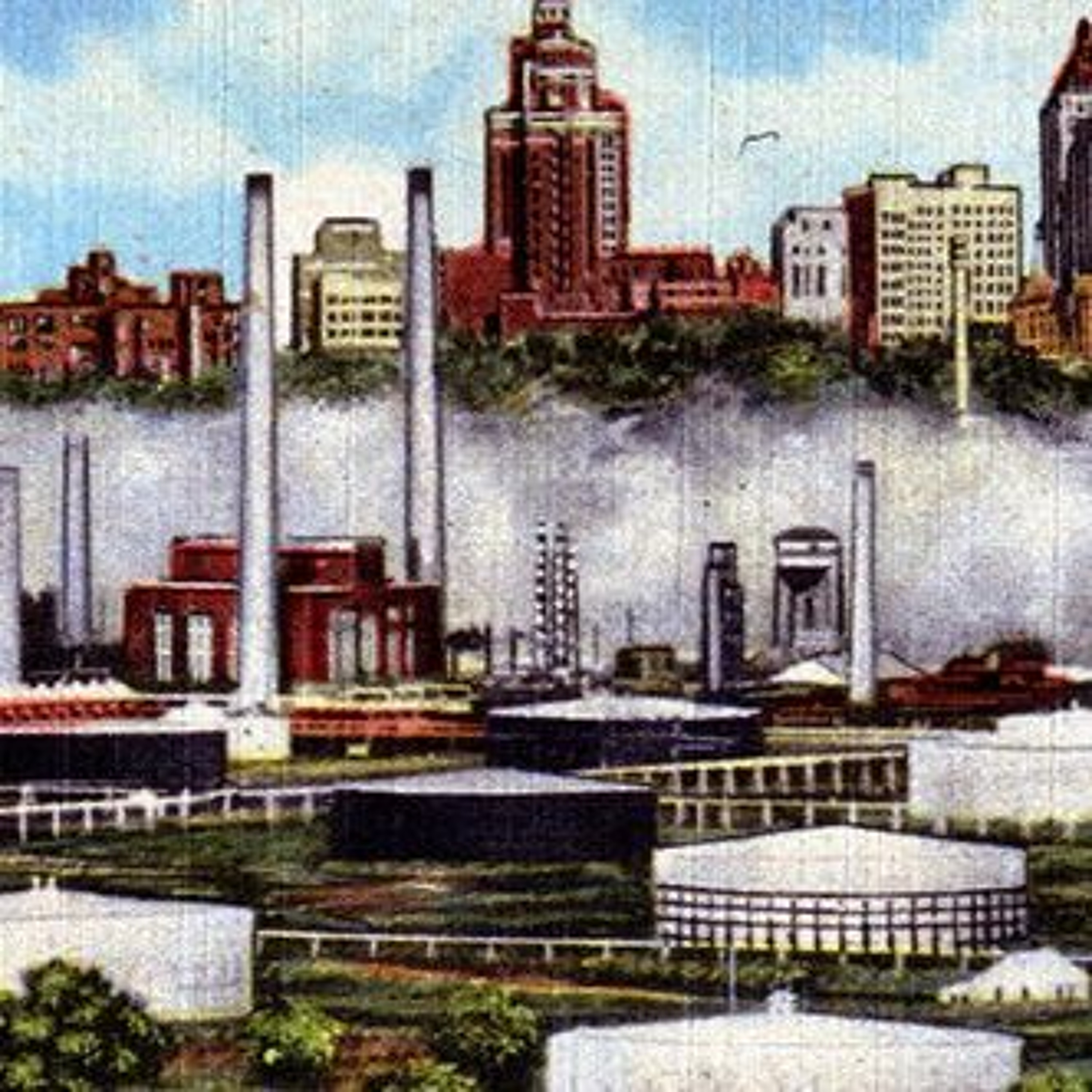
America marked this year the 100th anniversary of the race massacre that destroyed the Greenwood district of Tulsa, the so-called "Black Wall Street," but left out of the commemorations were the contexts that led to the outbreak of civil violence: the town's Indian origins in the Trail of Tears; the massive cattle and oil booms that gave rise to a powerful and organized class of business magnates; the city's chaotic and crime-ridden expansion, which fueled vigilantism, including lynchings of both white and black victims; and the patriotic frenzy of the First World War and the Red Scare, with its hysterical fear of Bolshevism and revolution. Finally, we consider the recovery of Tulsa from the shocks of the 1921 massacre, the Klan's reign of terror, and the Depression, after which it has evolved into a comparatively liberal cultural capital amidst the conservative Plains Midwest. Tulsa is an extreme example in miniature of America's tumultuous and confused rise to industrial power. Suggested further reading: Courtney Ann Vaugh-Roberson and Glen Vaughn-Roberson, "City in the Osage Hills." Please support this podcast to hear all patron-only materials, such as "History of the United States in 100 Objects" -- https://www.patreon.com/user?u=5530632
What this episode covers
America marked this year the 100th anniversary of the race massacre that destroyed the Greenwood district of Tulsa, the so-called "Black Wall Street," but left out of the commemorations were the contexts that led to the outbreak of civil violence: the town's Indian origins in the Trail of Tears; the massive cattle and oil booms that gave rise to a powerful and organized class of business magnates; the city's chaotic and crime-ridden expansion, which fueled vigilantism, including lynchings of both white and black victims; and the patriotic frenzy of the First World War and the Red Scare, with its hysterical fear of Bolshevism and revolution. Finally, we consider the recovery of Tulsa from the shocks of the 1921 massacre, the Klan's reign of terror, and the Depression, after which it has evolved into a comparatively liberal cultural capital amidst the conservative Plains Midwest. Tulsa is an extreme example in miniature of America's tumultuous and confused rise to industrial power. Suggested further reading: Courtney Ann Vaugh-Roberson and Glen Vaughn-Roberson, "City in the Osage Hills." Please support this podcast to hear all patron-only materials, such as "History of the United States in 100 Objects" -- https://www.patreon.com/user?u=5530632
NOW PLAYING
Blood and Oil: The History of Tulsa
No transcript for this episode yet
Similar Episodes
Mar 26, 2026 ·1m
Mar 19, 2026 ·34m
Feb 18, 2026 ·11m
Feb 11, 2026 ·45m