
EPISODE · Oct 14, 2025 · 46 MIN
Sensory-Friendly Spaces: Autism, Neurodiversity & Creating Inclusive Environments with Cynthia Miller-Lautman
from The Neurodiversity Voices Podcast
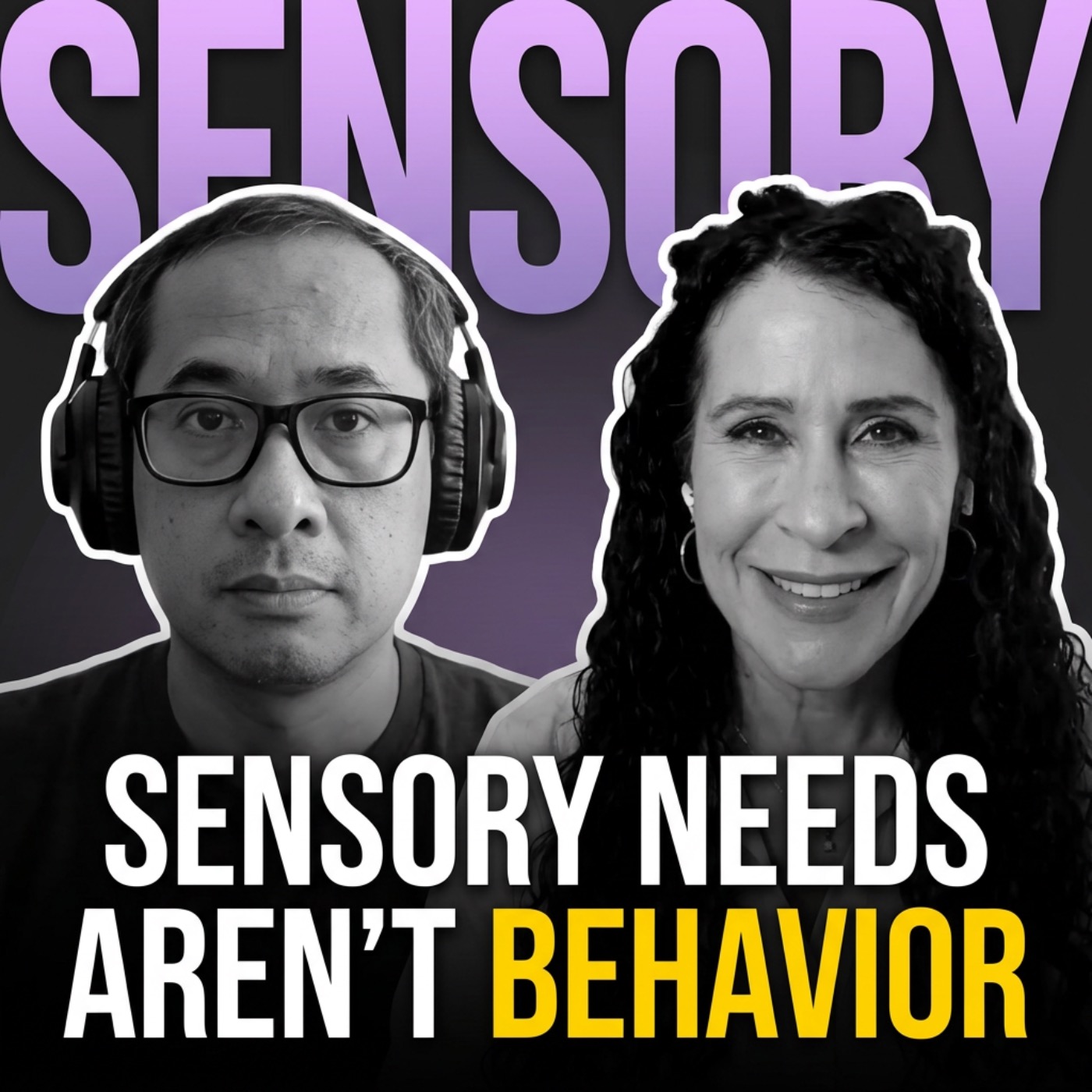
“Sensory is not a reward. Sensory is a human need.” — Cynthia Miller-LautmanIn this episode of The Neurodiversity Voices Podcast, host Paul Cruz sits down with occupational therapist, educator, and Swinging Upside Down host Cynthia Miller-Lautman to explore how sensory science can help create more inclusive, supportive, and neurodiversity-affirming environments.Drawing on years of clinical experience, parenthood, and work with diverse communities, Cynthia shares why understanding sensory needs can transform the way we view behaviour, learning, communication, and regulation.Together, Paul and Cynthia discuss what it means to "watch the person" rather than react to behaviours, and why many behaviours are not acts of defiance but signals that a person may be overwhelmed, dysregulated, or struggling to meet an unmet need.The conversation explores practical ways to create sensory-friendly spaces in schools, homes, clinics, workplaces, and community settings—without requiring large budgets or perfect conditions.In this episode, you'll hear about:• Autism, neurodiversity, and sensory regulation• Understanding the eight sensory systems• Vestibular, proprioceptive, and interoceptive processing• What "just right" regulation feels like• Sensory-friendly environments and inclusive design• Supporting sensory needs at school, home, and work• Behaviour as communication rather than defiance• Creating sensory-safe micro-spaces on a budget• Safety, consent, dignity, and regulation• Practical strategies for parents, educators, and professionalsKey InsightsCynthia explains how sensory processing affects everyday experiences and why recognizing sensory needs can help reduce stress, improve regulation, and support well-being.Listeners will gain a deeper understanding of:• The eight sensory systems• How sensory needs differ from person to person• Why regulation matters for learning and connection• Small environmental changes that can make a big difference• How to build a practical sensory-support planKey Quotes"Sensory is not a reward. Sensory is a human need."— Cynthia Miller-Lautman"Behaviours are often signals—our detective work is figuring out what's really going on.""Parents, teachers, and therapists must become sensory detectives to help kids (and adults) find 'just right.'"Why This Conversation MattersToo often, behaviours are interpreted without understanding the sensory experiences that may be driving them.This episode encourages listeners to move from judgment to curiosity and to recognize that many challenges can be better understood through a sensory lens.When people feel safe, regulated, and supported, they are better able to learn, connect, communicate, and thrive.About the GuestCynthia Miller-Lautman is an occupational therapist, educator, and host of Swinging Upside Down.Her work focuses on sensory processing, neurodiversity-affirming practice, regulation, and helping families, educators, and professionals create environments that support participation, dignity, and well-being.Resources & LinksWebsite:cynthiamillerlautman.comFacebook:facebook.com/cynthiamillerlautmanotInstagram:@cynthiamillerlautmanTikTok:@cynthiamillerlautmanLinkedIn:linkedin.com/in/cynthiamillerlautmanWho Should ListenThis episode is especially valuable for:• Parents and caregivers• Educators and school staff• Occupational therapists and healthcare professionals• Neurodivergent adults• Employers and workplace leaders• Anyone interested in creating more inclusive environmentsKey TakeawayBehaviour is often communication.When we learn to recognize sensory needs, we can create environments that support safety, regulation, dignity, and belonging for neurodivergent people of all ages.Autism, Neurodiversity, Sensory Processing, Occupational Therapy, Inclusive Education, Accessibility, Neurodivergent, Sensory Friendly, Regulation, Parenting, Cynthia Miller Lautman, Neurodiversity Voices, PodcastAbout The Neurodiversity Voices PodcastWe are now available to watch on Apple Podcasts. Watch now! Join us!The Neurodiversity Voices Podcast amplifies real voices, real stories, and real impact through conversations about autism, ADHD, neurodiversity, accessibility, inclusion, advocacy, education, employment, and lived experience.Hosted by Paul Cruz.Website: www.neurodiversityvoices.comInstagram • LinkedIn • YouTube:@neurodiversityvoicespodcastDisclaimer: This podcast shares educational content and personal perspectives and is not a substitute for professional medical, psychological, legal, or other advice. Hosted on Acast. See acast.com/privacy for more information.
Embed this episode
NOW PLAYING
Sensory-Friendly Spaces: Autism, Neurodiversity & Creating Inclusive Environments with Cynthia Miller-Lautman
No transcript for this episode yet
Similar Episodes
No similar episodes found.
Similar Podcasts
No similar podcasts found.