
EPISODE · Dec 26, 2025 · 29 MIN
Building Stories: Characters That Move the World
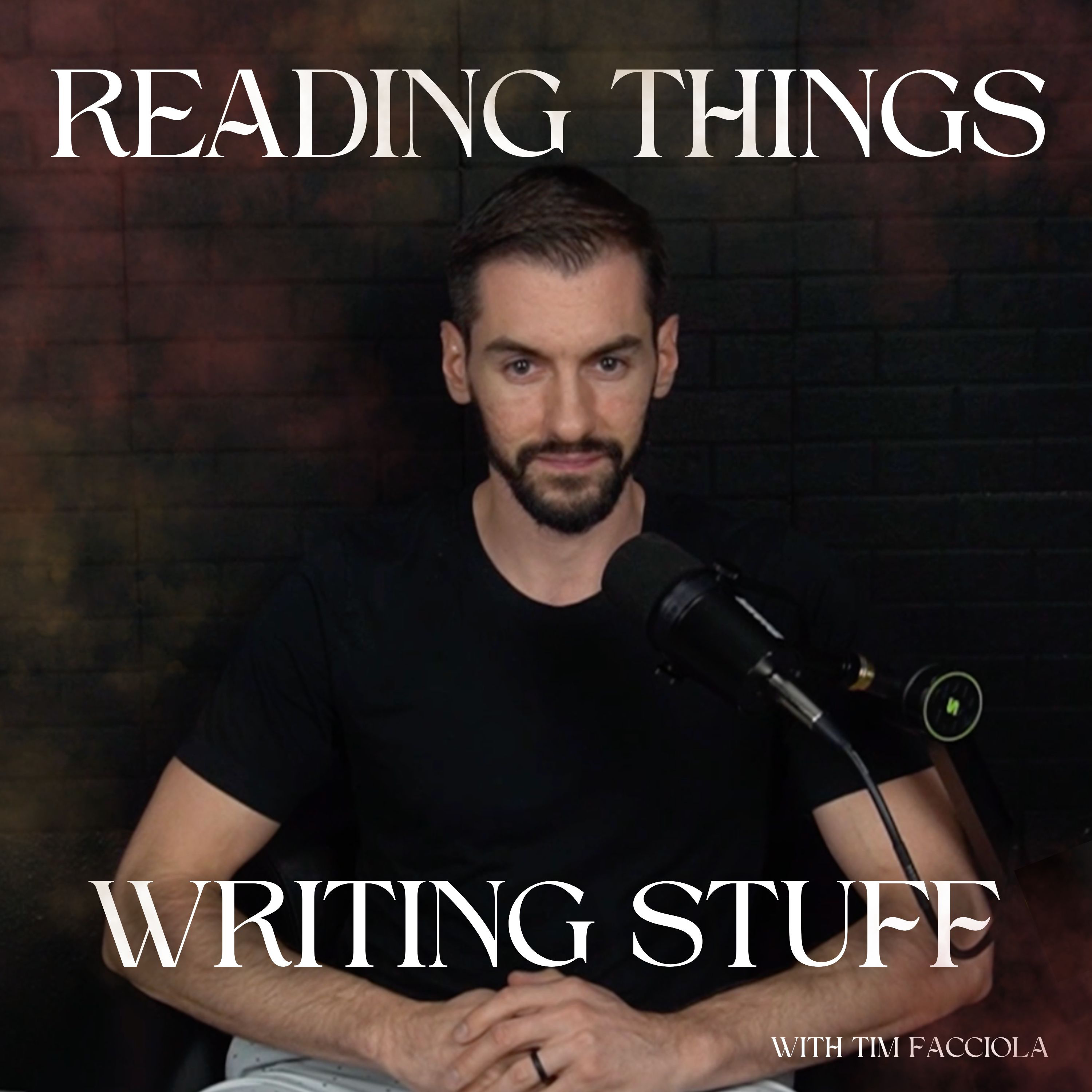
from Reading Things and Writing Stuff : Fantasy Writing, Worldbuilding & The Art of Storycraft · host Tim Facciola
In this episode…I dive deep into one of the most essential—and most misunderstood—elements of storytelling: the protagonist. Specifically, what a character must do to carry a story, earn reader trust, and deliver a hero moment that actually lands.This episode breaks down the three critical role functions every protagonist must fulfill: challenger, driver, and hero. I explore why character is the vessel through which readers experience worldbuilding, plot, and theme—and why a weak system or unclear purpose leads to passive characters with no agency.Using examples from Red Rising, The Rage of Dragons, A Game of Thrones, and The Stormlight Archive, I examine different story types—emboldening, gritty, tragic, and harmonious—and how each one sets distinct expectations for win–loss dynamics and reader trust. We also explore antagonistic systems (not just villains), story questions, pre-stories, and why breaking reader trust is far easier than earning it.If you’ve ever been told your character is “likable but boring,” this episode explains exactly why—and how to fix it.The three role functions every protagonist must fulfillWhy stories need an antagonistic system, not just an antagonistHow worldbuilding establishes a status quo worth challengingCharacter as the vessel: why readers imprint on characters faster than worldsThe importance of agency and why passive protagonists kill momentumHow purpose and the inciting incident drive story forwardUnderstanding the story question and why it’s usually a yes/no answerReader trust: how it’s built, reinforced, and instantly betrayedThe difference between subverting expectations and breaking trustEmboldening stories vs. tragic stories vs. gritty revenge storiesWhy tragic heroes always receive warningsHow win–loss dynamics define story “vibe” and emotional payoffCharacters who create their own problems—and what that signals to readersMultiple protagonists and how each must still fulfill all three rolesPrimary vs. secondary protagonists and how much readers will forgiveHarmonious storytelling and protagonists with opposing but valid goalsWhy change—of character or system—is the engine of meaningful storyHow plot, character, and worldbuilding must work interconnectedlyRed Rising by Pierce BrownThe Rage of Dragons by Evan WinterA Game of Thrones by George R.R. MartinThe Way of Kings (The Stormlight Archive) by Brandon SandersonA Vengeful Realm (Series) by Tim FacciolaInstagram: @timfacciola_theauthorhttps://www.instagram.com/timfacciola_theauthor/Apply Here:https://docs.google.com/forms/d/e/1FAIpQLSejci7iaHU3--TT8TOo82boYj7OsUIap3FscyQ4Qc2f8Z0EkQ/viewform?pli=1Read Now:https://www.amazon.com/dp/B0CK143ZK2?th=1&psc=1&geniuslink=true&ascsubtag=srctok-fa8927c1bf89b8e9&btn_ref=srctok-fa8927c1bf89b8e9Everything Else:https://linktr.ee/timfacciolaWhat We Cover:Books Mentioned:Connect with Tim:
What this episode covers
In this episode…I dive deep into one of the most essential—and most misunderstood—elements of storytelling: the protagonist. Specifically, what a character must do to carry a story, earn reader trust, and deliver a hero moment that actually lands.This episode breaks down the three critical role functions every protagonist must fulfill: challenger, driver, and hero. I explore why character is the vessel through which readers experience worldbuilding, plot, and theme—and why a weak system or unclear purpose leads to passive characters with no agency.Using examples from Red Rising, The Rage of Dragons, A Game of Thrones, and The Stormlight Archive, I examine different story types—emboldening, gritty, tragic, and harmonious—and how each one sets distinct expectations for win–loss dynamics and reader trust. We also explore antagonistic systems (not just villains), story questions, pre-stories, and why breaking reader trust is far easier than earning it.If you’ve ever been told your character is “likable but boring,” this episode explains exactly why—and how to fix it.The three role functions every protagonist must fulfillWhy stories need an antagonistic system, not just an antagonistHow worldbuilding establishes a status quo worth challengingCharacter as the vessel: why readers imprint on characters faster than worldsThe importance of agency and why passive protagonists kill momentumHow purpose and the inciting incident drive story forwardUnderstanding the story question and why it’s usually a yes/no answerReader trust: how it’s built, reinforced, and instantly betrayedThe difference between subverting expectations and breaking trustEmboldening stories vs. tragic stories vs. gritty revenge storiesWhy tragic heroes always receive warningsHow win–loss dynamics define story “vibe” and emotional payoffCharacters who create their own problems—and what that signals to readersMultiple protagonists and how each must still fulfill all three rolesPrimary vs. secondary protagonists and how much readers will forgiveHarmonious storytelling and protagonists with opposing but valid goalsWhy change—of character or system—is the engine of meaningful storyHow plot, character, and worldbuilding must work interconnectedlyRed Rising by Pierce BrownThe Rage of Dragons by Evan WinterA Game of Thrones by George R.R. MartinThe Way of Kings (The Stormlight Archive) by Brandon SandersonA Vengeful Realm (Series) by Tim FacciolaInstagram: @timfacciola_theauthorhttps://www.instagram.com/timfacciola_theauthor/Apply Here:https://docs.google.com/forms/d/e/1FAIpQLSejci7iaHU3--TT8TOo82boYj7OsUIap3FscyQ4Qc2f8Z0EkQ/viewform?pli=1Read Now:https://www.amazon.com/dp/B0CK143ZK2?th=1&psc=1&geniuslink=true&ascsubtag=srctok-fa8927c1bf89b8e9&btn_ref=srctok-fa8927c1bf89b8e9Everything Else:https://linktr.ee/timfacciolaWhat We Cover:Books Mentioned:Connect with Tim:
NOW PLAYING
Building Stories: Characters That Move the World
No transcript for this episode yet
Similar Episodes
Mar 26, 2026 ·1m
Mar 19, 2026 ·34m
Feb 18, 2026 ·11m
Feb 11, 2026 ·45m