
EPISODE · Feb 24, 2023 · 27 MIN
Camuflagem
from Biologia em Meia Hora · host Educação em Meia Hora
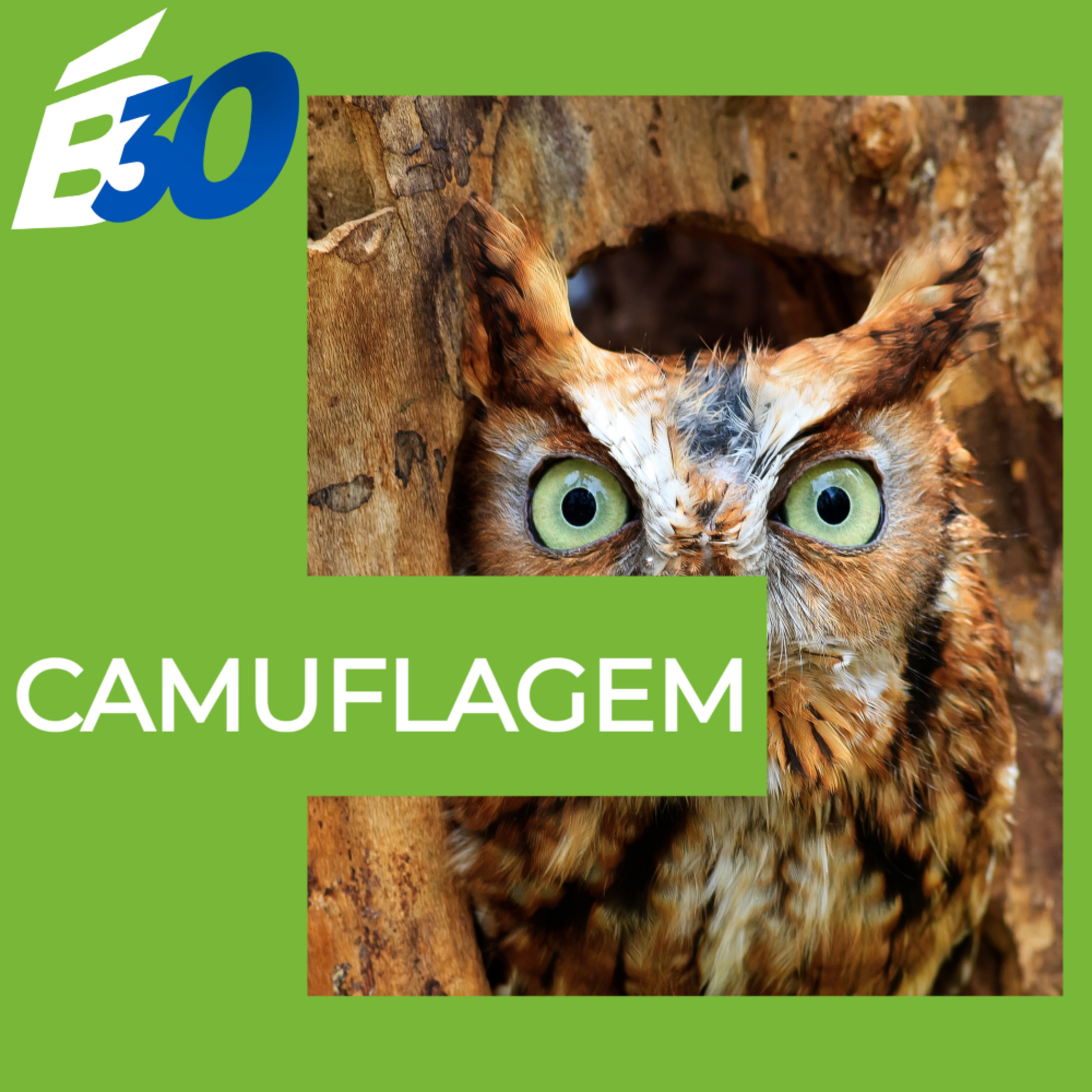
Para muitos animais, os predadores são uma fonte contínua de perigo e a evolução, consequentemente, forneceu uma infinidade de adaptações defensivas, incluindo a coloração protetora. Separe meia horinha do seu dia e descubra com a Dra. Mila Massuda (@milamassuda) o que é e como funciona a CAMUFLAGEM. Apresentação: Mila Massuda (@milamassuda) Roteiro: Mila Massuda (@milamassuda) e Emilio Garcia (@emilioblablalogia) Edição: @Matheus_Heredia (@mewmediaLAB) Produção Prof. Vítor Soares (@profvitorsoares) REFERÊNCIAS: CUTHILL, I. C. Camouflage. Journal of Zoology, v. 308, n. 2, p. 75-92, 2019. DIAMOND, Judy. Concealing coloration in animals. Harvard University Press, 2013. HANLON, Roger. Cephalopod dynamic camouflage. Current biology, v. 17, n. 11, p. R400-R404, 2007. MERILAITA, Sami; SCOTT-SAMUEL, Nicholas E.; CUTHILL, Innes C. How camouflage works. Philosophical Transactions of the Royal Society B: Biological Sciences, v. 372, n. 1724, p. 20160341, 2017. MESSENGER, John B. Cephalopod chromatophores: neurobiology and natural history. Biological Reviews, v. 76, n. 4, p. 473-528, 2001. PASTEUR, Georges. A classificatory review of mimicry systems. Annual Review of Ecology and Systematics, v. 13, n. 1, p. 169-199, 1982. STEVENS, Martin; MERILAITA, Sami. Animal camouflage: current issues and new perspectives. Philosophical Transactions of the Royal Society B: Biological Sciences, v. 364, n. 1516, p. 423-427, 2009. STEVENS, Martin; MERILAITA, Sami (Ed.). Animal camouflage: mechanisms and function. Cambridge University Press, 2011. WILLIAMS, Thomas L. et al. Dynamic pigmentary and structural coloration within cephalopod chromatophore organs. Nature communications, v. 10, n. 1, p. 1-15, 2019.
What this episode covers
Para muitos animais, os predadores são uma fonte contínua de perigo e a evolução, consequentemente, forneceu uma infinidade de adaptações defensivas, incluindo a coloração protetora. Separe meia horinha do seu dia e descubra com a Dra. Mila Massuda (@milamassuda) o que é e como funciona a CAMUFLAGEM. Apresentação: Mila Massuda (@milamassuda) Roteiro: Mila Massuda (@milamassuda) e Emilio Garcia (@emilioblablalogia) Edição: @Matheus_Heredia (@mewmediaLAB) Produção Prof. Vítor Soares (@profvitorsoares) REFERÊNCIAS: CUTHILL, I. C. Camouflage. Journal of Zoology, v. 308, n. 2, p. 75-92, 2019. DIAMOND, Judy. Concealing coloration in animals. Harvard University Press, 2013. HANLON, Roger. Cephalopod dynamic camouflage. Current biology, v. 17, n. 11, p. R400-R404, 2007. MERILAITA, Sami; SCOTT-SAMUEL, Nicholas E.; CUTHILL, Innes C. How camouflage works. Philosophical Transactions of the Royal Society B: Biological Sciences, v. 372, n. 1724, p. 20160341, 2017. MESSENGER, John B. Cephalopod chromatophores: neurobiology and natural history. Biological Reviews, v. 76, n. 4, p. 473-528, 2001. PASTEUR, Georges. A classificatory review of mimicry systems. Annual Review of Ecology and Systematics, v. 13, n. 1, p. 169-199, 1982. STEVENS, Martin; MERILAITA, Sami. Animal camouflage: current issues and new perspectives. Philosophical Transactions of the Royal Society B: Biological Sciences, v. 364, n. 1516, p. 423-427, 2009. STEVENS, Martin; MERILAITA, Sami (Ed.). Animal camouflage: mechanisms and function. Cambridge University Press, 2011. WILLIAMS, Thomas L. et al. Dynamic pigmentary and structural coloration within cephalopod chromatophore organs. Nature communications, v. 10, n. 1, p. 1-15, 2019.
NOW PLAYING
Camuflagem
No transcript for this episode yet
Similar Episodes
Apr 8, 2026 ·83m
Mar 11, 2026 ·57m
Jul 9, 2025 ·51m
Jul 2, 2025 ·47m
Jun 25, 2025 ·49m
Jun 18, 2025 ·55m