
EPISODE · Nov 20, 2023 · 4 MIN
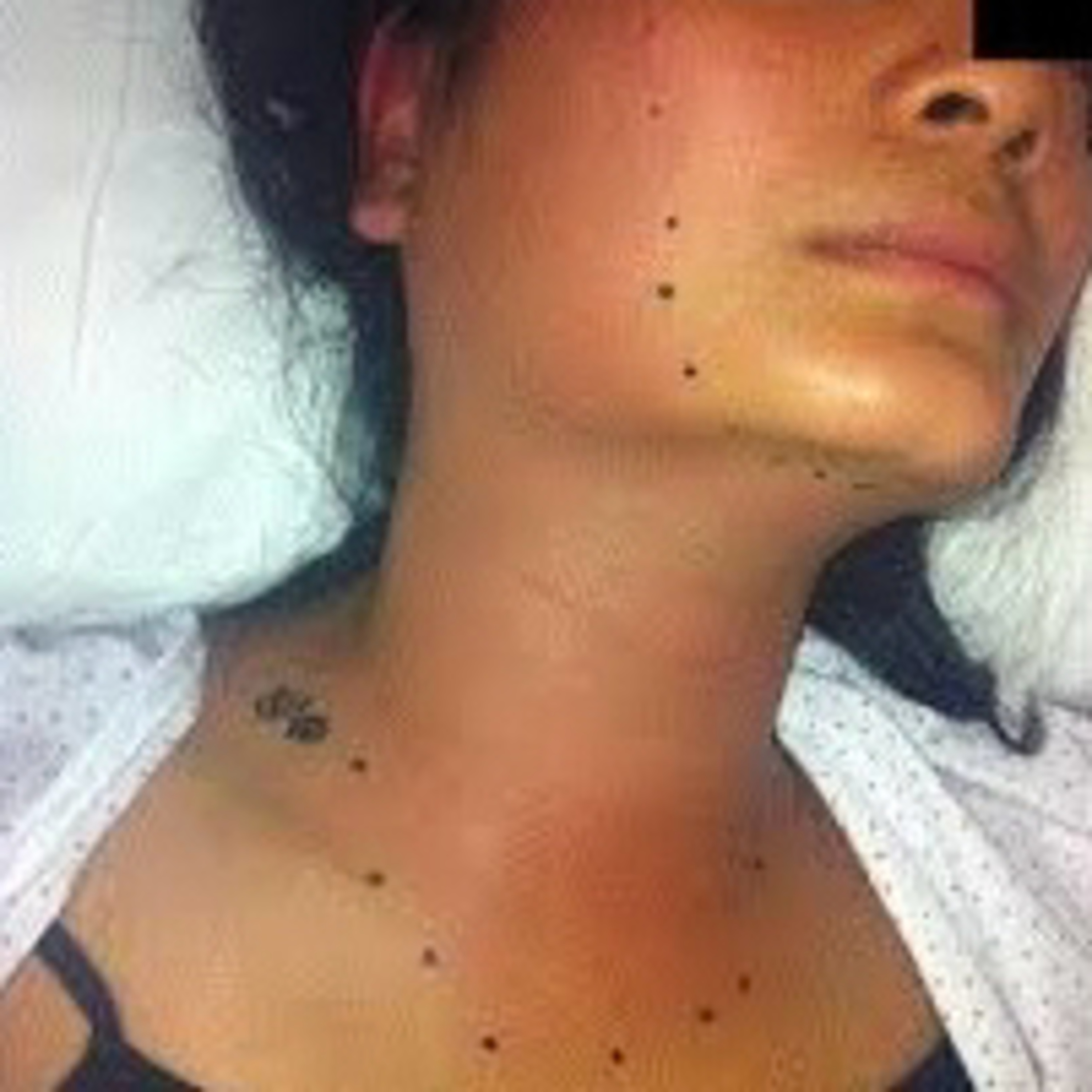
“Can an Odontogenic Infection Lead to Necrotizing Fasciitis?”
from Dr. Gallagher's Podcast · host Brendan Gallagher, DDS
11.20.23 Quick Read #72 - #infection #inflammation #necrotizingfasciitis #infectiousdisease #infectiousdiseases #doctorgallagher #oralsurgery #oralsurgeon #dentist #dentistry #dental An odontogenic infection can progress into necrotizing fasciitis through several mechanisms, often involving a combination of factors that include the nature of the oral bacteria, the individual's immune response, and predisposing conditions: 1. Odontogenic Infection: typically begins as a bacterial infection of teeth, often due to dental decay, periodontal disease, or following dental procedures. 2. Bacterial Proliferation & Spread: bacteria from the initial infection proliferate and spread to adjacent tissues. The oral cavity hosts a variety of bacteria, and in the case of necrotizing fasciitis, these bacteria are often aggressive and include both aerobic and anaerobic types. 3. Entry into Deeper Tissues: The bacteria invade deeper facial spaces through fascial planes – thin layers of fibrous tissue that enclose and separate muscles. In some cases, this invasion is facilitated by a compromised immune system or pre-existing conditions like diabetes. 4. Production of Toxins & Enzymes: The bacteria produce toxins and enzymes that cause local tissue destruction. This rapid destruction of soft tissues, including muscle, fat, and skin, is characteristic of necrotizing fasciitis. 5. Insufficient Blood Supply & Necrosis: The toxins and enzymes, along with the bacteria’s rapid proliferation, interrupt the blood supply to affected tissues. This ischemia (lack of blood flow) exacerbates tissue death (necrosis). 6. Systemic Spread of Infection: If not promptly treated, the infection can spread to the bloodstream (bacteremia) and throughout the body, leading to systemic inflammatory response syndrome (SIRS), sepsis, and potentially multi-organ failure. 7. Immune System Response: The body's immune response to the infection can also contribute to tissue damage. Prompt recognition and treatment are crucial because of the rapidity and severity with which necrotizing fasciitis progresses. Treatment typically involves aggressive antibiotic therapy, surgical debridement of necrotic tissues, and supportive care for any systemic involvement. References: 1. Huang, T.-T., Liu, T.-C., Chen, P.-R., Tseng, W.-Y., Yeh, C.-M., & Chen, Y.-C. (2006). Deep neck infection: analysis of 185 cases. Head & Neck, 28(9), 864–870. https://doi.org/10.1002/hed.20415 2. Smith, A., & D’Agostino, R. (2019). Necrotizing fasciitis: clinical presentation, microbiology, and determinants of mortality. Journal of Bone and Joint Infection, 4(3), 108–116. https://doi.org/10.7150/jbji.30718 3. Chang, C.-P., Fung, C.-P., & Chang, F.-Y. (2008). Necrotizing fasciitis associated with odontogenic infections. Journal of Microbiology, Immunology and Infection, 41(3), 242–247. 4. ChatGPT. 2023.
What this episode covers
11.20.23 Quick Read #72 - #infection #inflammation #necrotizingfasciitis #infectiousdisease #infectiousdiseases #doctorgallagher #oralsurgery #oralsurgeon #dentist #dentistry #dental An odontogenic infection can progress into necrotizing fasciitis through several mechanisms, often involving a combination of factors that include the nature of the oral bacteria, the individual's immune response, and predisposing conditions: 1. Odontogenic Infection: typically begins as a bacterial infection of teeth, often due to dental decay, periodontal disease, or following dental procedures. 2. Bacterial Proliferation & Spread: bacteria from the initial infection proliferate and spread to adjacent tissues. The oral cavity hosts a variety of bacteria, and in the case of necrotizing fasciitis, these bacteria are often aggressive and include both aerobic and anaerobic types. 3. Entry into Deeper Tissues: The bacteria invade deeper facial spaces through fascial planes – thin layers of fibrous tissue that enclose and separate muscles. In some cases, this invasion is facilitated by a compromised immune system or pre-existing conditions like diabetes. 4. Production of Toxins & Enzymes: The bacteria produce toxins and enzymes that cause local tissue destruction. This rapid destruction of soft tissues, including muscle, fat, and skin, is characteristic of necrotizing fasciitis. 5. Insufficient Blood Supply & Necrosis: The toxins and enzymes, along with the bacteria’s rapid proliferation, interrupt the blood supply to affected tissues. This ischemia (lack of blood flow) exacerbates tissue death (necrosis). 6. Systemic Spread of Infection: If not promptly treated, the infection can spread to the bloodstream (bacteremia) and throughout the body, leading to systemic inflammatory response syndrome (SIRS), sepsis, and potentially multi-organ failure. 7. Immune System Response: The body's immune response to the infection can also contribute to tissue damage. Prompt recognition and treatment are crucial because of the rapidity and severity with which necrotizing fasciitis progresses. Treatment typically involves aggressive antibiotic therapy, surgical debridement of necrotic tissues, and supportive care for any systemic involvement. References: 1. Huang, T.-T., Liu, T.-C., Chen, P.-R., Tseng, W.-Y., Yeh, C.-M., & Chen, Y.-C. (2006). Deep neck infection: analysis of 185 cases. Head & Neck, 28(9), 864–870. https://doi.org/10.1002/hed.20415 2. Smith, A., & D’Agostino, R. (2019). Necrotizing fasciitis: clinical presentation, microbiology, and determinants of mortality. Journal of Bone and Joint Infection, 4(3), 108–116. https://doi.org/10.7150/jbji.30718 3. Chang, C.-P., Fung, C.-P., & Chang, F.-Y. (2008). Necrotizing fasciitis associated with odontogenic infections. Journal of Microbiology, Immunology and Infection, 41(3), 242–247. 4. ChatGPT. 2023.
NOW PLAYING
“Can an Odontogenic Infection Lead to Necrotizing Fasciitis?”
No transcript for this episode yet
Similar Episodes
Dec 5, 2025 ·50m
Oct 9, 2025 ·33m
Oct 3, 2025 ·40m
Sep 11, 2025 ·31m
Aug 27, 2025 ·39m
Aug 18, 2025 ·54m