PodParley PodParley

Can illegal wars still be legitimate wars?

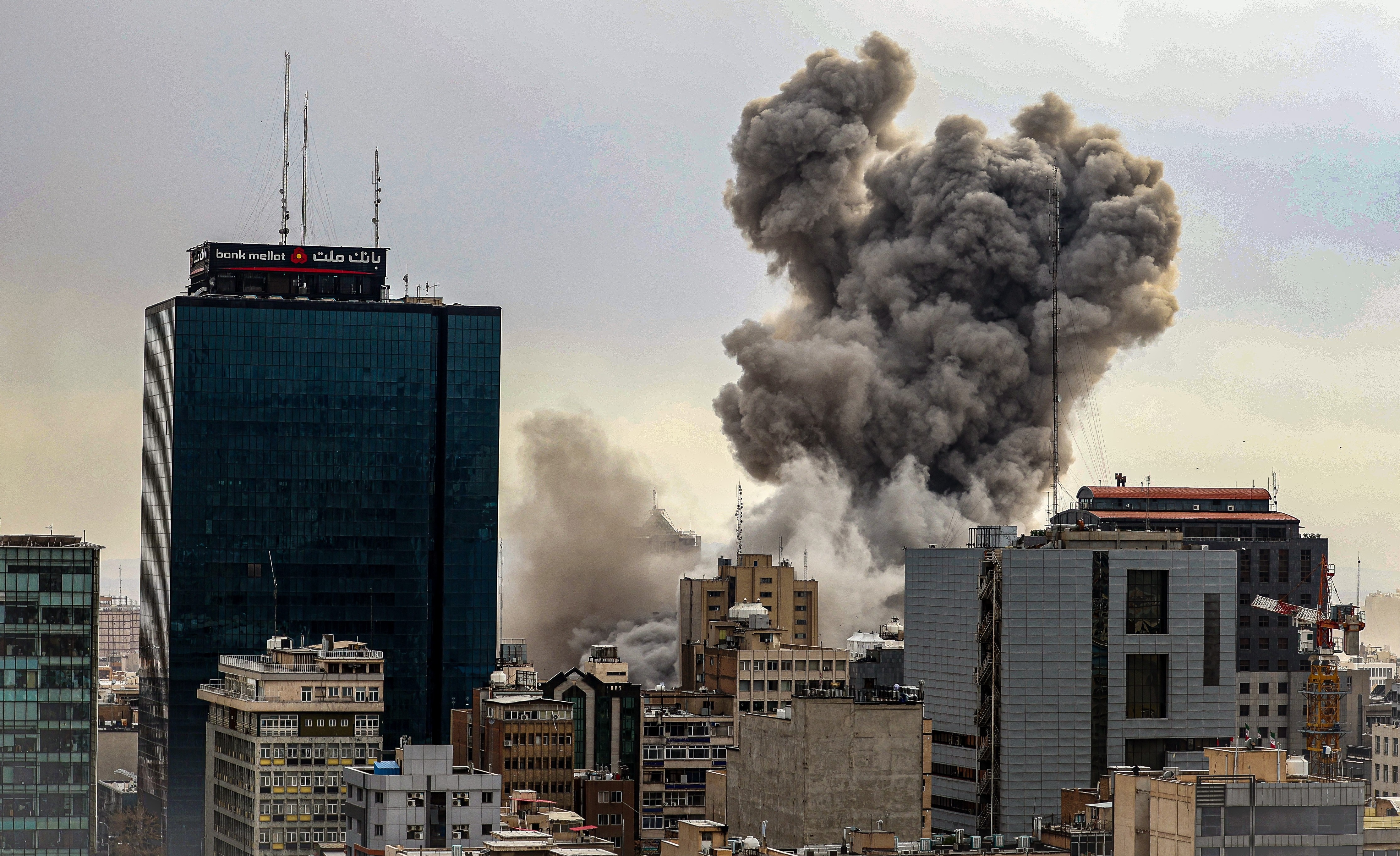
It’s like déjà vu all over again. After launching a devastating but limited series of strikes on Iranian nuclear facilities and against the nation’s top military leaders and nuclear scientists in June last year, the United States and Israel recommenced hostilities against Iran at the end of February. The objectives of this ‘war’ are similar — to eliminate Iran’s nuclear capabilities and remove the senior leadership of the Islamic Republic regime — but its implementation is more thoroughgoing, more open-ended, more uncontainable, and more problematic in terms of its basis in international law. There is near consensus among international law experts that the US-Israeli attacks on Iran come in violation Article 2(4) of the UN Charter. And yet neither the United States nor Israel seem interested in justifying their actions in terms of their legality (unlike their “middle power” allies, who are intent on using the language of “collective self-defence”). In its place are assertions of power, of unassailable might, of moral legitimacy, of “good and evil”, of an “intolerable threat” posed by Iran. The casual way that international law has been cast off in the conflict that is spreading across the Middle East raises pressing and pertinent questions about the moral considerations that undergird international law itself. Guest: Tamer Morris is a Senior Lecturer at the University of Sydney, where he focusses on international law, United Nations peacekeeping and international humanitarian law. You can read his penetrating article on the illegality and (il)legitimacy of the Iran war on ABC Religion and Ethics.

An episode of the The Minefield podcast, hosted by Australian Broadcasting Corporation, titled "Can illegal wars still be legitimate wars?" was published on March 18, 2026 and runs 54 minutes.

March 18, 2026 ·54m · The Minefield

0:00 / 0:00

It’s like déjà vu all over again. After launching a devastating but limited series of strikes on Iranian nuclear facilities and against the nation’s top military leaders and nuclear scientists in June last year, the United States and Israel recommenced hostilities against Iran at the end of February. The objectives of this ‘war’ are similar — to eliminate Iran’s nuclear capabilities and remove the senior leadership of the Islamic Republic regime — but its implementation is more thoroughgoing, more open-ended, more uncontainable, and more problematic in terms of its basis in international law. There is near consensus among international law experts that the US-Israeli attacks on Iran come in violation Article 2(4) of the UN Charter. And yet neither the United States nor Israel seem interested in justifying their actions in terms of their legality (unlike their “middle power” allies, who are intent on using the language of “collective self-defence”). In its place are assertions of power, of unassailable might, of moral legitimacy, of “good and evil”, of an “intolerable threat” posed by Iran. The casual way that international law has been cast off in the conflict that is spreading across the Middle East raises pressing and pertinent questions about the moral considerations that undergird international law itself. Guest: Tamer Morris is a Senior Lecturer at the University of Sydney, where he focusses on international law, United Nations peacekeeping and international humanitarian law. You can read his penetrating article on the illegality and (il)legitimacy of the Iran war on ABC Religion and Ethics.

It’s like déjà vu all over again. After launching a devastating but limited series of strikes on Iranian nuclear facilities and against the nation’s top military leaders and nuclear scientists in June last year, the United States and Israel recommenced hostilities against Iran at the end of February.

The objectives of this ‘war’ are similar — to eliminate Iran’s nuclear capabilities and remove the senior leadership of the Islamic Republic regime — but its implementation is more thoroughgoing, more open-ended, more uncontainable, and more problematic in terms of its basis in international law.

There is near consensus among international law experts that the US-Israeli attacks on Iran come in violation Article 2(4) of the UN Charter. And yet neither the United States nor Israel seem interested in justifying their actions in terms of their legality (unlike their “middle power” allies, who are intent on using the language of “collective self-defence”). In its place are assertions of power, of unassailable might, of moral legitimacy, of “good and evil”, of an “intolerable threat” posed by Iran.

The casual way that international law has been cast off in the conflict that is spreading across the Middle East raises pressing and pertinent questions about the moral considerations that undergird international law itself.

Guest: Tamer Morris is a Senior Lecturer at the University of Sydney, where he focusses on international law, United Nations peacekeeping and international humanitarian law. You can read his penetrating article on the illegality and (il)legitimacy of the Iran war on ABC Religion and Ethics.

Chapter 21

Apr 13, 2026 ·17m

Chapter 22

Apr 13, 2026 ·23m

Chapter 23

Apr 13, 2026 ·22m

Chapter 24

Apr 13, 2026 ·18m

Chapter 25

Apr 13, 2026 ·27m

Chaper 26

Apr 13, 2026 ·17m

The Communication Paradox Dave Harries / Angela Jones Angela Jones and Dave Harries share their journey exploring the communication paradox - the tension between perfection and authenticity in business communications. Follow their insights and discoveries, as they discuss the communication paradox, interview expert guests and travel through the minefield of communications learning lots and (hopefully) growing a little along the way. The Late Shift The Late Shift Four unlikely friends embark on a creative endeavour that could only be spawned by narcissism, delusion, and an absence of any voice of reason. Marvel as they delve into the secrets of history, tread lightly through the minefield of conspiracy theories, and ruthlessly smother the creepy pasta you ordered with their own ridicule sauce, all without any responsible adult to tell them it's past bed-time.So sit back, open your mind, and regret it immediately because it's time for the Late Shift.intro: @aka-dj-quads Courage in Betrayal Angela Tobler This podcast if for anyone who has felt the sting of betrayal and is ready to find hope and healing. I will share my story as well as the lessons I have learned to help you navigate the minefield that is betrayal. Recovery is not some far off destination that one day you'll reach, but rather a commitment within yourself to find everyday. Start today and join me as we discuss the good the bad and the next steps. It doesn't matter where you are on your journey, all that matters is realizing that through small and simple steps, great things come to pass. I see greatness within you, all that is required is for you to have a desire to reach it. You can feel better, you can heal and peace is possible. Join me and let me show you how. Great Relationships: Gen X & Gen Z Deb Knupp Are you a Gen X parent who wants the best for your child and you keep having “misses” in your efforts to connect? Do you wish there was a way that you could bridge the gap and have an authentic, meaningful relationship with your Gen Z-er that brings out the best for both of you? Or maybe you are a Gen Z-er that wishes your Gen X parents understood how to connect with you and finally got a clue. Or as a Gen Z-er, you are tired of all the negative labels that older generations place on you as emotional, fragile or lazy.Join Sydney Knupp (Gen Z) and Deb Knupp (Gen X) as they interview their Gen Z guests on topics that most parents are afraid or don’t know how to talk to their kids about - everything from mental health to substance abuse, sex to schoolwork, and navigating the minefield that is friend and family dynamics in your teens and early 20s. Gain insight through the lens of Gen Z on how to speak with your kid and build a collaborative relations
URL copied to clipboard!