Capítulo 1: 1952, el año que la TV irrumpió en la campaña episode artwork

EPISODE · Jul 7, 2020 · 10 MIN

Capítulo 1: 1952, el año que la TV irrumpió en la campaña

from Four more years

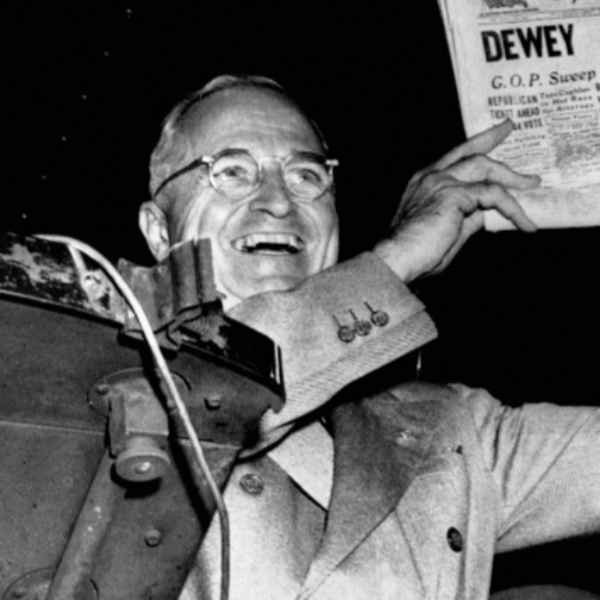
En 1952 el presidente Harry Truman no pasaba por un buen momento, agobiado por los escándalos que se le acumulaban dentro del país y los fracasos que cosechaba fuera, sobre todo en un asunto tan sensible en Estados Unidos como el combate contra el comunismo.La situación era tan complicada que aunque de forma excepcional aún podía optar a un tercer mandato, tomó la decisión de no volver a presentarse. En las filas demócratas no había demasiado entusiasmo por hacerlo por él hasta que Adlai Stevenson, el gobernador de Illinois, dio el paso al frente, más por responsabilidad política que por ambición propia.Enfrente iba a tener al general Dwight Eisenhower, un héroe de la Segunda Guerra Mundial acostumbrado a la victoria. Le habían propuesto ser candidato desde los dos grandes partidos, pero finalmente eligió a los republicanos para hacer frente a la Unión Soviética en plena Guerra Fría.En la campaña de 1952 el militar que había dirigido el desembarco de Normandía y la ofensiva final contra Hitler demostró tener una gran intuición política: la televisión podía servir como arma de guerra en una batalla electoral; y para conseguir la victoria el futuro presidente de los EEUU no dudaría en contar con el apoyo de los Mad Men, los nuevos ejecutivos de la publicidad que idearon el eslogan “I like Ike”.

En 1952 el presidente Harry Truman no pasaba por un buen momento, agobiado por los escándalos que se le acumulaban dentro del país y los fracasos que cosechaba fuera, sobre todo en un asunto tan sensible en Estados Unidos como el combate contra el comunismo.La situación era tan complicada que aunque de forma excepcional aún podía optar a un tercer mandato, tomó la decisión de no volver a presentarse. En las filas demócratas no había demasiado entusiasmo por hacerlo por él hasta que Adlai Stevenson, el gobernador de Illinois, dio el paso al frente, más por responsabilidad política que por ambición propia.Enfrente iba a tener al general Dwight Eisenhower, un héroe de la Segunda Guerra Mundial acostumbrado a la victoria. Le habían propuesto ser candidato desde los dos grandes partidos, pero finalmente eligió a los republicanos para hacer frente a la Unión Soviética en plena Guerra Fría.En la campaña de 1952 el militar que había dirigido el desembarco de Normandía y la ofensiva final contra Hitler demostró tener una gran intuición política: la televisión podía servir como arma de guerra en una batalla electoral; y para conseguir la victoria el futuro presidente de los EEUU no dudaría en contar con el apoyo de los Mad Men, los nuevos ejecutivos de la publicidad que idearon el eslogan “I like Ike”.

NOW PLAYING

Capítulo 1: 1952, el año que la TV irrumpió en la campaña

0:00 10:44

No transcript for this episode yet

We transcribe on demand. Request one and we'll notify you when it's ready — usually under 10 minutes.

LIGHTS, CAMERA, SMILE! Creatives Club Media Lights, Camera, Smile, is a podcast for anyone with a dream to share something with the world, out of the overflow of themselves - be it their mind, their heart, their personalities, and much more. Each of us are alive in this moment in time, with an innate ability to have ideas and create various things to benefit both ourselves and the people around us for a reason, and here, you will find the encouragement, the inspiration, and the motivation to do just that. Hosted by Cicily, founder of Creatives Club, she dives into various topics surrounding creativity and business. Exploring entrepreneurship for creatives in a corporate reality, sharing tips and tricks in a media centered company, answering questions regarding what a creative actually is are just a few of the things discussed on this podcast. Be encouraged to create for yourself as Cicily gets vulnerable by pivoting the camera to herself for the first time.To submit questions for Cicily to answer, or have her address certain t Chewing the Fat with WorkForge WorkForge Bite-Sized Conversations for Building a Stronger Workforce Welcome to Chewing the Fat, a podcast delving deep into the world of food manufacturing. Dive into real conversations around critical topics like staffing, retention, onboarding, and career development in this essential industry. Subscribe now to gain insights from your peers, subject matter experts and more on the biggest issues facing food manufacturers today: -Hiring and retaining employees -Addressing the challenges of the Silver Tsunami -Improving time to productivity of new employees -Engaging employees from hire to retire And more... Tune in to Chewing the Fat, a WorkForge podcast, and join the conversation on how to build and sustain a resilient, high-performing workforce in food manufacturing. Solving for Change MOBIA Technology Innovations Solving for Change welcomes business and technology leaders to share stories of bold business transformation within complex organizations. In an era when technology and markets are changing around businesses, the key to staying competitive is to evolve in response to those changes.  MOBIA’s Mike Reeves and Marc LeBlanc investigate business transformation, deconstructing the challenges, ambitions, and market disruptions that drive companies to embark on transformation journeys, and exploring their unique approaches to achieving meaningful outcomes.  What sparks leaders to pursue business transformation? How do they overcome the challenges along the way? What are the keys to creating enduring change?  Through in-depth conversations with business and technology leaders, Mike and Marc answer these questions and explore how businesses evolve by pulling four key transformation levers: people, process, technology, and culture. Accidental Accountant Regan Williams Hi, I'm Regan! I'm a CPA of 30+ years helping "accidental accountants" navigate tax & accounting issues with confidence! Here, we find solutions to common challenges bookkeepers, accountants and CPAs face. Don't see an answer to your question? Then ask! I'm here to help people like you.

Frequently Asked Questions

How long is this episode of Four more years?

This episode is 10 minutes long.

When was this Four more years episode published?

This episode was published on July 7, 2020.

What is this episode about?

En 1952 el presidente Harry Truman no pasaba por un buen momento, agobiado por los escándalos que se le acumulaban dentro del país y los fracasos que cosechaba fuera, sobre todo en un asunto tan sensible en Estados Unidos como el combate contra el...

Can I download this Four more years episode?

Yes, you can download this episode by clicking the download button on the episode player, or subscribe to the podcast in your preferred podcast app for automatic downloads.
URL copied to clipboard!