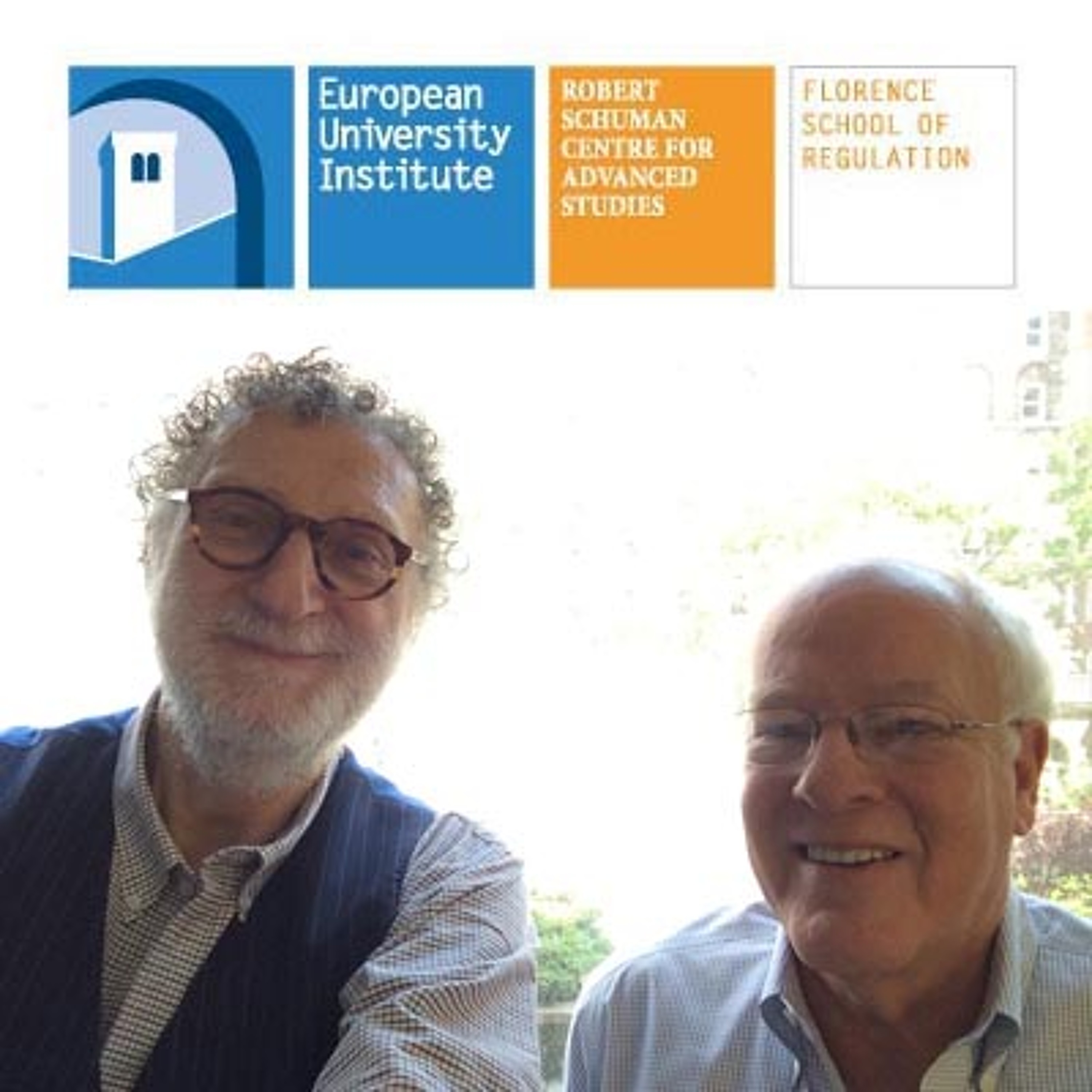
Catalyst of the utilities’ transformation: the case of New York | Scott Weiner episode artwork

EPISODE · Jun 19, 2017 · 8 MIN

Catalyst of the utilities’ transformation: the case of New York | Scott Weiner

from FSR · host Florence School of Regulation

Catalyst of the utilities’ transformation: the case of new York | Scott Weiner (New York Public Service Commission) During a conference at Columbia University Jean-Michel Glachant, director of the Florence School of Regulation, met with Scott Weiner, the deputy for market and innovation at the New York Public Service Commission. With the major wave of changes in energy transition (the three Ds: decarbonisation, decentralisation and digitalisation), Jean-Michel wanted to discuss the role of a public service commission in this new world. According to Weiner, a commission has to implement the policy direction set at the political level and act as a catalyst for transformation, enabling society to take advantage of the opportunities the three Ds have to offer. In the case of New York, in 2012 Hurricane Sandy revealed the vulnerabilities of the utilities, the lack of system resilience and the inability to anticipate customers’ needs. In response to it, the State of New York established a “Utility 2.0” target model (Reforming the Energy Vision), where distribution grids will become platforms for the distribution of energy services, able to host massive amounts of renewables and, in general, distributed energy resources (demand response included). Initiatives from local communities and new intermediaries are expected to blossom on such platforms, allowing the direct participation of end users in energy markets and the creation of new jobs, while ensuring environmental protection. In this context, Weiner adds, a State public service commission has to coordinate and cooperate with the legislative branch, with the stakeholders and, of course, with the federal government. This is not easy, especially because in the US the choices of other States or the federal government may contradict each other or they may be less advanced or ambitious (for example, New York’s goal to build the largest electric vehicle fleet worldwide versus Trump’s decision to withdraw from the Paris Treaty). For these reasons, it is important to continuously examine the experience of other countries and try to learn from one another.

Catalyst of the utilities’ transformation: the case of new York | Scott Weiner (New York Public Service Commission) During a conference at Columbia University Jean-Michel Glachant, director of the Florence School of Regulation, met with Scott Weiner, the deputy for market and innovation at the New York Public Service Commission. With the major wave of changes in energy transition (the three Ds: decarbonisation, decentralisation and digitalisation), Jean-Michel wanted to discuss the role of a public service commission in this new world. According to Weiner, a commission has to implement the policy direction set at the political level and act as a catalyst for transformation, enabling society to take advantage of the opportunities the three Ds have to offer. In the case of New York, in 2012 Hurricane Sandy revealed the vulnerabilities of the utilities, the lack of system resilience and the inability to anticipate customers’ needs. In response to it, the State of New York established a “Utility 2.0” target model (Reforming the Energy Vision), where distribution grids will become platforms for the distribution of energy services, able to host massive amounts of renewables and, in general, distributed energy resources (demand response included). Initiatives from local communities and new intermediaries are expected to blossom on such platforms, allowing the direct participation of end users in energy markets and the creation of new jobs, while ensuring environmental protection. In this context, Weiner adds, a State public service commission has to coordinate and cooperate with the legislative branch, with the stakeholders and, of course, with the federal government. This is not easy, especially because in the US the choices of other States or the federal government may contradict each other or they may be less advanced or ambitious (for example, New York’s goal to build the largest electric vehicle fleet worldwide versus Trump’s decision to withdraw from the Paris Treaty). For these reasons, it is important to continuously examine the experience of other countries and try to learn from one another.

NOW PLAYING

Catalyst of the utilities’ transformation: the case of New York | Scott Weiner

0:00 8:41

No transcript for this episode yet

We transcribe on demand. Request one and we'll notify you when it's ready — usually under 10 minutes.

No similar episodes found.

No similar podcasts found.

Frequently Asked Questions

How long is this episode of FSR?

This episode is 8 minutes long.

When was this FSR episode published?

This episode was published on June 19, 2017.

What is this episode about?

Catalyst of the utilities’ transformation: the case of new York | Scott Weiner (New York Public Service Commission) During a conference at Columbia University Jean-Michel Glachant, director of the Florence School of Regulation, met with Scott...

Can I download this FSR episode?

Yes, you can download this episode by clicking the download button on the episode player, or subscribe to the podcast in your preferred podcast app for automatic downloads.
URL copied to clipboard!