
EPISODE · Feb 21, 2026 · 1H
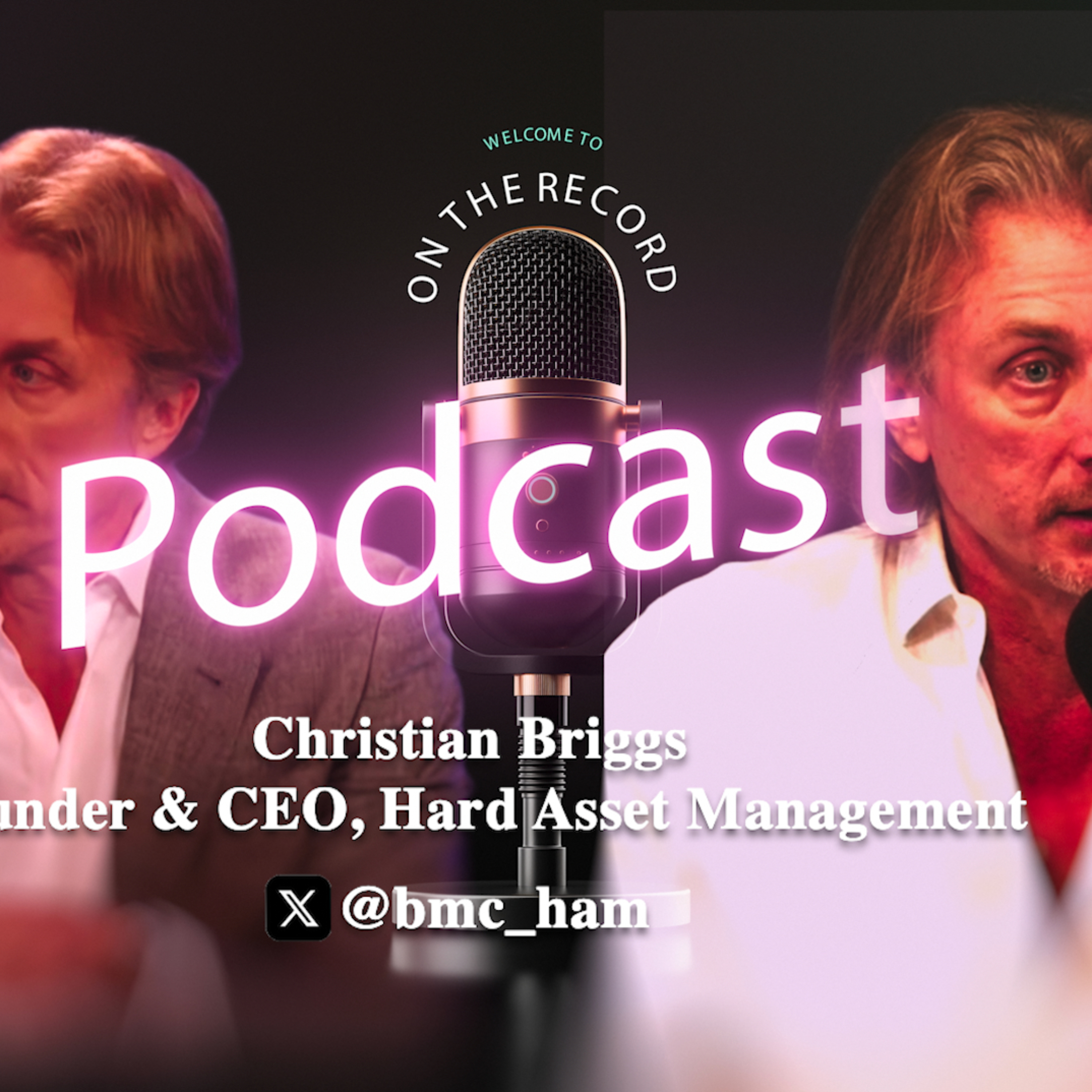
China's Strategic Assault on Dollar Hegemony Through Banking Infrastructure, Critical Mineral Dominance, and the Architecture of De-Dollarization - Part 4
from Hard Asset Money Show · host Christian Briggs
Today’s episode breaks down Christian Briggs' Part Four of his policy paper, "China's Strategic Assault on Dollar Hegemony Through Banking Infrastructure, Critical Mineral Dominance, and the Architecture of De-Dollarization - Part 4". Christian pulls back the curtain on what may be the biggest monetary shift since 1974—and it’s happening right now. Forget headlines about tariffs and trade deals. This episode argues Washington is quietly constructing a “Mineral-Dollar” system designed to defend the U.S. dollar against BRICS, yuan oil trades, and China’s gold accumulation strategy.The thesis is explosive: the dollar isn’t being replaced—it’s being fortified. If the petrodollar weakens, America wants a second anchor already in place. That second pillar? Critical minerals. Rare earths. Lithium. Silver. Platinum. Cobalt. And eventually—gold.Through Project Vault, Section 232 tariff authority, and the launch of the Forge mineral trade bloc, the U.S. is building a multilateral pricing regime that could lock 30–50 nations into dollar-denominated mineral trade. Instead of oil forcing global dollar demand, it becomes batteries, semiconductors, AI infrastructure, and defense metals doing the job. The strategy mirrors Nixon and Kissinger’s 1974 petrodollar architecture—but adapted for the Silicon Age.And then comes the bombshell: gold’s exclusion from the 2025 critical minerals list wasn’t a mistake. It was sequencing. Gold doesn’t meet the technical “supply disruption” criteria—but it has already been quietly folded into executive orders expanding the definition of strategic minerals. If gold is formally added, it opens the door to government-set reference pricing and—most controversially—revaluing Fort Knox’s 8,133 tons of gold from $42.22 per ounce to market value.That move would instantly unlock over $1 trillion in unrealized federal assets.The episode outlines a five-phase roadmap: lock in the mineral bloc, enforce tariff-backed price floors, expand processing capacity, integrate gold into the framework, and complete the mineral-dollar nexus by 2030. It also warns of accelerants that could compress the timeline—Chinese export embargoes, BRICS gold-backed settlement announcements, or a dollar confidence crisis.China won’t sit idle. The podcast details how Beijing could respond with rare earth embargoes, yuan-denominated mineral trade, or accelerating gold purchases. But here’s the twist: if the West aggregates its reserves, it may still control more gold—and more infrastructure—than China.The final message is clear: this isn’t just trade policy. It’s monetary warfare. The mineral dollar system is either America’s next 50-year foundation—or the battlefield where the next financial order is decided.The only question left: who moves first?
Embed this episode
NOW PLAYING
China's Strategic Assault on Dollar Hegemony Through Banking Infrastructure, Critical Mineral Dominance, and the Architecture of De-Dollarization - Part 4
No transcript for this episode yet
Similar Episodes
No similar episodes found.
Similar Podcasts
No similar podcasts found.