
EPISODE · Jun 29, 2026 · 42 MIN
Christian Zionism and the conquest of Jerusalem 1917
from Jerusalem Unplugged Podcast
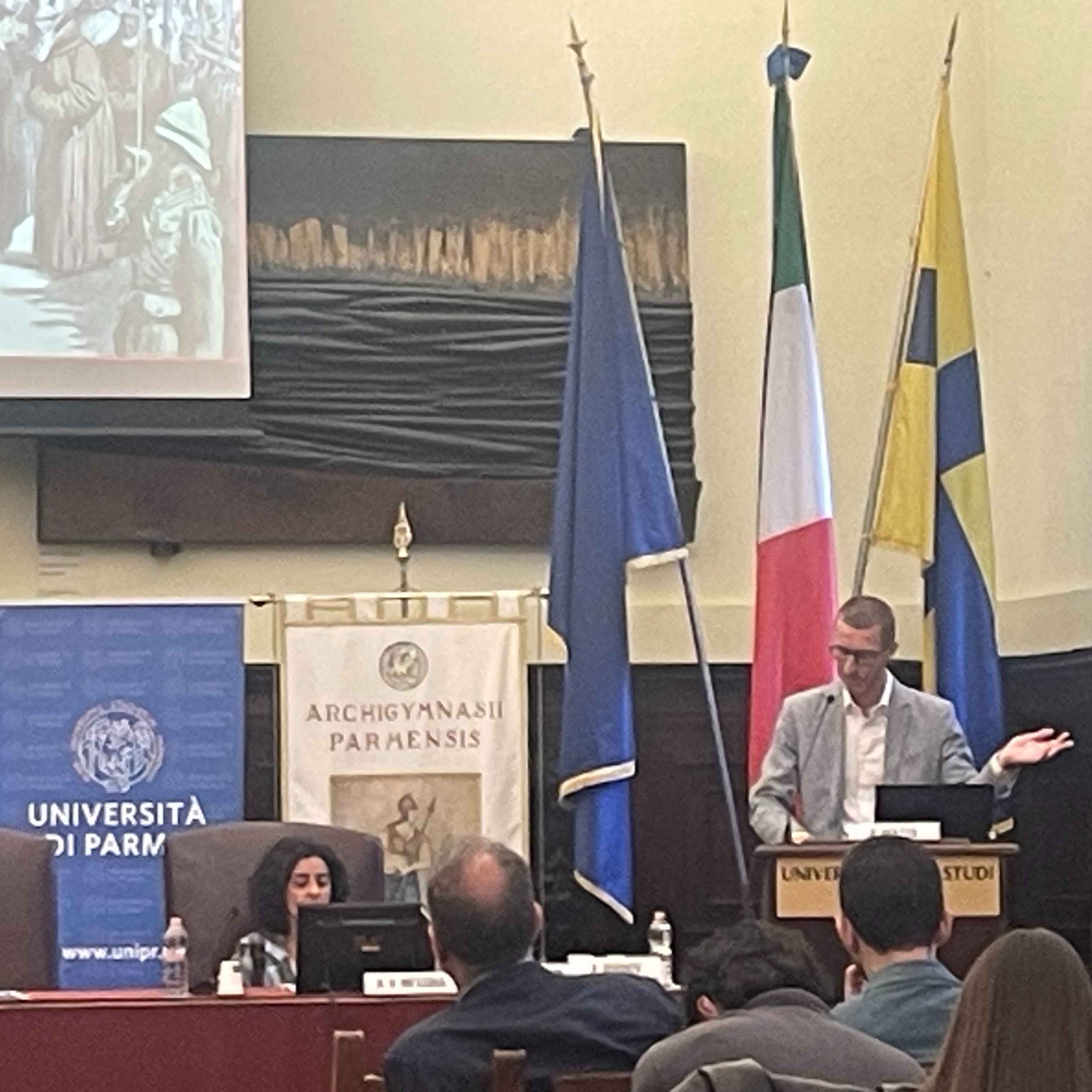
Today I am recasting a talk I gave at the University of Parma in May 2026 discussing Christian Zionism. Thanks to the Universita' di Parma.Today we're diving into a topic that remains stubbornly relevant to understanding the modern Middle East: Christian Zionism. And I want to start by challenging a common assumption—that support for Israel among Western nations, particularly Britain historically and America today, is purely about geopolitics, oil, or strategic interests. That's only part of the story.The reality is that religious conviction—specifically Christian religious conviction—has been woven into Western policy toward Palestine for centuries, and its influence is far from over.When we think about the pivotal moments that shaped modern Palestine, the Balfour Declaration of November 1917 and the British capture of Jerusalem just weeks later immediately come to mind. But here's what often gets overlooked: these weren't just strategic military decisions. They emerged from deeply embedded religious imaginations—transnational evangelical networks spanning Britain and America, crusading rhetoric portraying the Palestine campaign as fulfilling medieval Christian ambitions, and movements like British Israelism that mystically connected Britain to biblical Israel.These networks created fundamental contradictions. Christian Zionists supported Jewish restoration to the Holy Land while simultaneously deploying crusading imagery that emphasized Christian dominance. They provided theological justification for Jewish return while seeing themselves as the true inheritors of biblical promises.And here's why this matters today: these religious networks didn't disappear with the British Empire. They transformed, they migrated across the Atlantic, and they continue to shape American evangelical support for Israel in ways that directly influence contemporary Middle Eastern politics.In this episode, I'll trace how these religious currents developed from seventeenth-century Puritan theology through to the First World War, examining how what we might call "Biblical Palestine"—an imaginary landscape conjured in European minds during the Middle Ages—was superimposed onto the actual landscape and people of Palestine, with consequences we're still grappling with today.Youtube Video https://www.youtube.com/watch?v=NYxwpJ_fJjEWelcome to Jerusalem Unplugged Podcast. This is the new link and home of Jerusalem Unplugged, all old and new interviews will be published through the new link. Hosted on Acast. See acast.com/privacy for more information.
Embed this episode
NOW PLAYING
Christian Zionism and the conquest of Jerusalem 1917
No transcript for this episode yet
Similar Episodes
No similar episodes found.
Similar Podcasts
No similar podcasts found.