
EPISODE · Jun 20, 2016 · 0 MIN
Classic Chords #5 - Rush in the Limelight
from Dave Bradley · host Dave Bradley
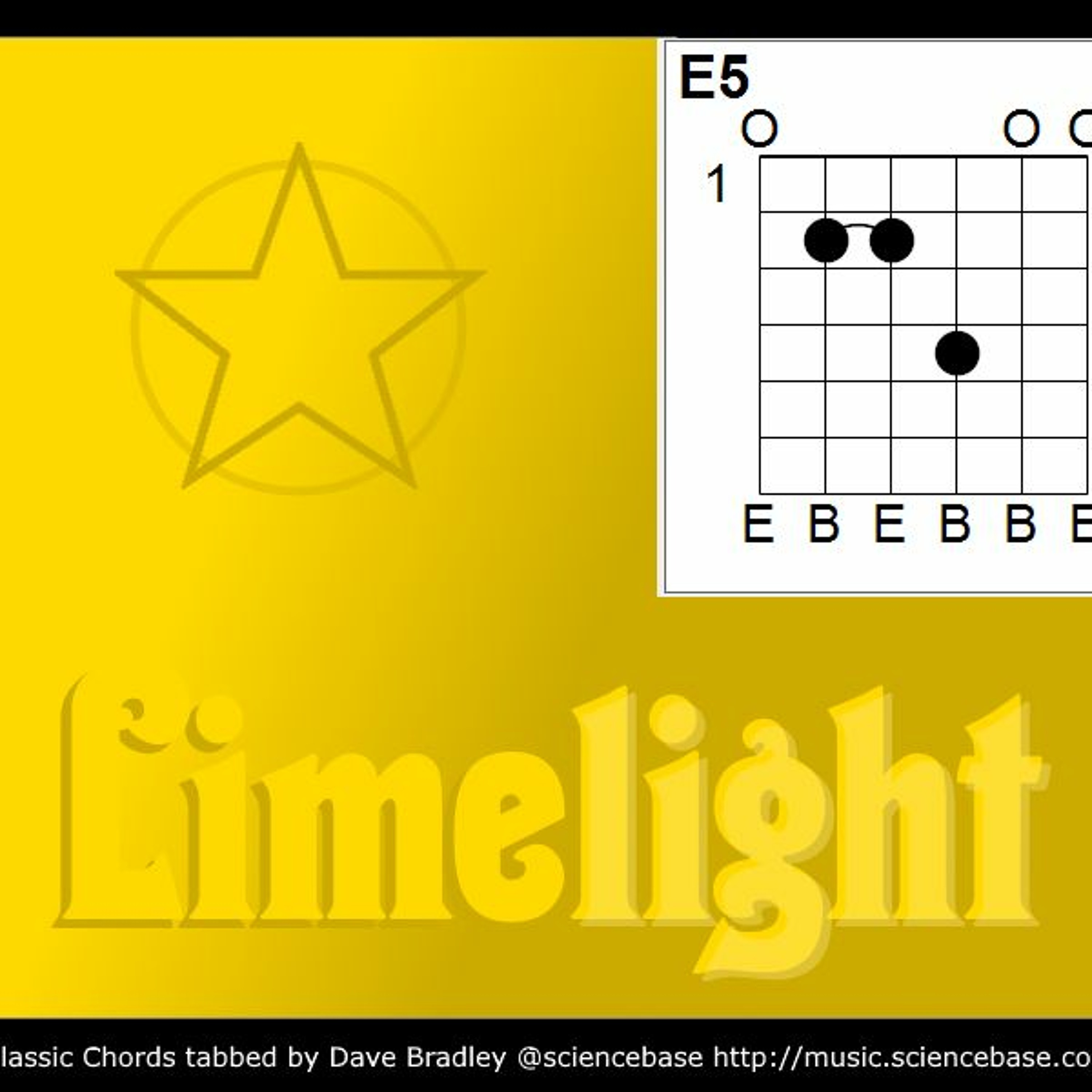
http://www.sciencebase.com/science-blog/classic-chords-5-rush-limelight.html You will have to visit sciencebase to find out why no. 4 is missing. Meanwhile, as I mentioned, in Classic Chord no. 1, during my early teens I was chasing the dream of being the next Alex Lifeson, picking out the pseudo-classical intros to songs like “Panacea”, “A Farewell to Kings” and “The Trees”, later “Broon’s Bane” from the second live album Exit…Stage Left and rocking out (on a nylon string guitar!) to “Working Man”, “Bastille Day” and “Circumstances”. One recurring theme in Lifeson’s playing is the chorused ringing sound of his big open chords where he leaves the B and high E strings open and chiming but roots the chord with the bottom strings. It adds an ethereal tone to the cleaner arpeggiated sounds. Arpeggiated coming from the Italian meaning to play the harp!
Embed this episode
NOW PLAYING
Classic Chords #5 - Rush in the Limelight
No transcript for this episode yet
Similar Episodes
No similar episodes found.
Similar Podcasts
No similar podcasts found.