
EPISODE · Oct 17, 2017 · 1H 24M
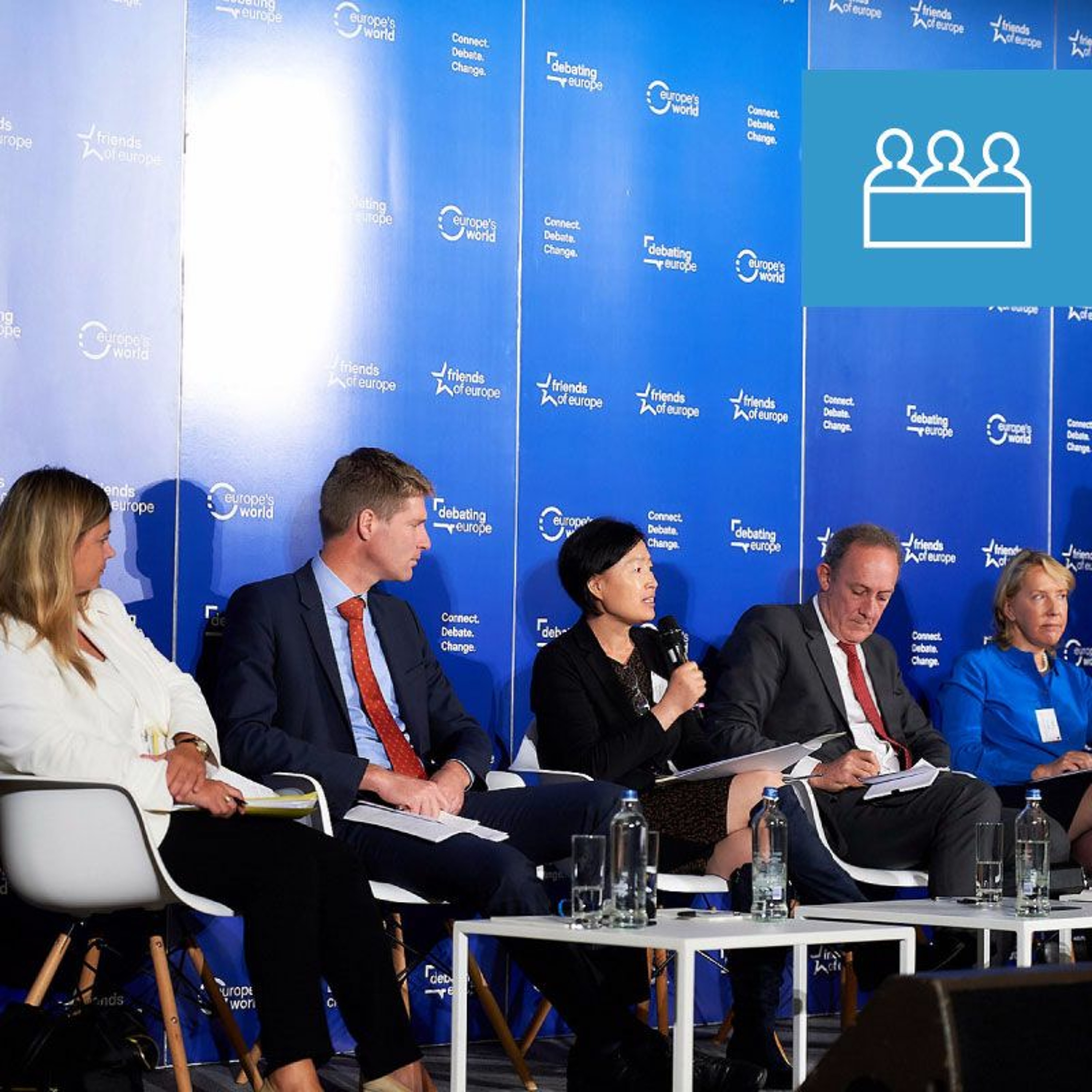
Climate and Energy Summit 2017: Climate cooperation stepping up a gear
from Friends of Europe podcasts · host Friends of Europe
The United States has pulled out of the Paris agreement, and the rest of the world is eager to fill the void. It’s time for the energy transition to step up a gear to strengthen European leadership, global cooperation and international governance and move to a green and resilient economy. Progress is being made. China, which accounts for about 30% of global emissions, is pledging to invest $360bn in renewables over the next three years. In 2014 more than half of all Latin America’s electricity came from renewables, more than double the world average. We will look at the importance of reinforced international public and private commitments to spur the clean energy revolution and provide high-level political will for ambitious, real-world policies and actions. - In the run up to the Paris rulebook in 2018, how can we ensure countries turn objectives into ambitious policies and long-term decarbonisation plans? - What extra economic and technological cooperation is needed between Europe and China to achieve climate and energy targets faster and more efficiently? - Can new alliances strengthen the international community by helping national leaders meet common and individual climate targets? - Can more be done with existing climate cooperation tools, such as the EU Energy Initiative Partnership Dialogue Facility? - How can we improve the structure international discussions to engage the private sector in the global fight against climate change?
What this episode covers
The United States has pulled out of the Paris agreement, and the rest of the world is eager to fill the void. It’s time for the energy transition to step up a gear to strengthen European leadership, global cooperation and international governance and move to a green and resilient economy. Progress is being made. China, which accounts for about 30% of global emissions, is pledging to invest $360bn in renewables over the next three years. In 2014 more than half of all Latin America’s electricity came from renewables, more than double the world average. We will look at the importance of reinforced international public and private commitments to spur the clean energy revolution and provide high-level political will for ambitious, real-world policies and actions. - In the run up to the Paris rulebook in 2018, how can we ensure countries turn objectives into ambitious policies and long-term decarbonisation plans? - What extra economic and technological cooperation is needed between Europe and China to achieve climate and energy targets faster and more efficiently? - Can new alliances strengthen the international community by helping national leaders meet common and individual climate targets? - Can more be done with existing climate cooperation tools, such as the EU Energy Initiative Partnership Dialogue Facility? - How can we improve the structure international discussions to engage the private sector in the global fight against climate change?
NOW PLAYING
Climate and Energy Summit 2017: Climate cooperation stepping up a gear
No transcript for this episode yet
Similar Episodes
Mar 26, 2026 ·1m
Mar 19, 2026 ·34m
Feb 18, 2026 ·11m
Feb 11, 2026 ·45m