
EPISODE · Oct 17, 2017 · 1H 2M
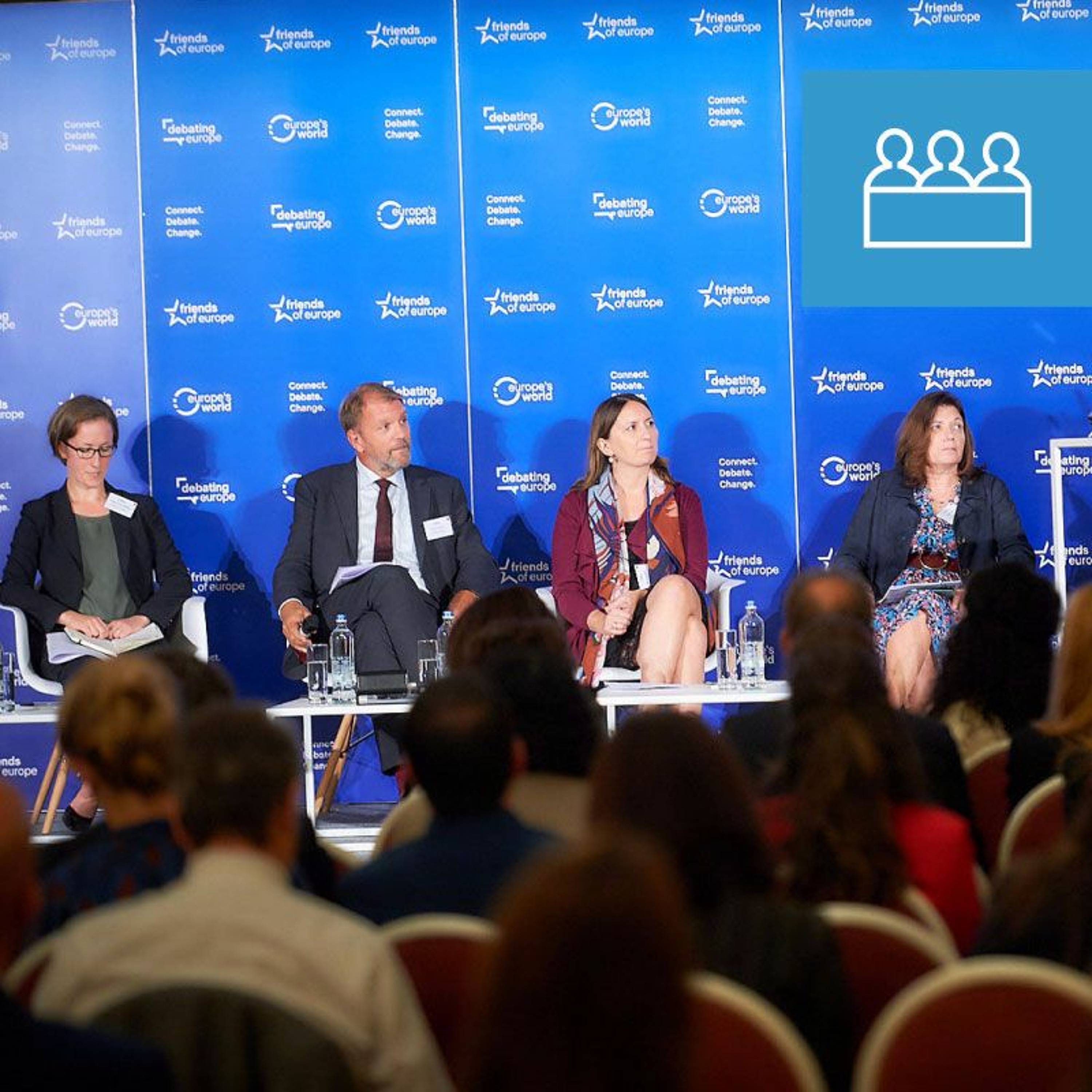
Climate and Energy Summit 2017: What price for a greener future?
from Friends of Europe podcasts · host Friends of Europe
Average carbon prices in 2020 are likely to be almost nine per cent lower than forecasted in 2016. This makes it less attractive for stakeholders in the EU carbon market to invest in the technology needed to hit emissions targets. At EU level, talks on the fourth phase of the Emissions Trading Scheme (ETS) continue, but with little consensus: effective change towards a European economy-wide carbon price requires more time. But in the run-up to major elections in Europe, the national level is stepping up: the recently-elected French President Emmanuel Macron put forward climate policies to raise the carbon price to €100 per tonne by 2030 – twenty times the current level. - Can the EU ETS remain the main driver of decarbonisation of the EU economy? - How can disruptive national leadership and a clear political vision reinforce European incentives on a strong carbon price signal? Can the French government’s actions inspire others towards change? - What will the next phase of the ETS look like – and can a more coherent climate policy be implemented? - How can EU leaders effectively agree on an aligned European pricing strategy on carbon while avoiding a massive phase-out of production means in the short term?
What this episode covers
Average carbon prices in 2020 are likely to be almost nine per cent lower than forecasted in 2016. This makes it less attractive for stakeholders in the EU carbon market to invest in the technology needed to hit emissions targets. At EU level, talks on the fourth phase of the Emissions Trading Scheme (ETS) continue, but with little consensus: effective change towards a European economy-wide carbon price requires more time. But in the run-up to major elections in Europe, the national level is stepping up: the recently-elected French President Emmanuel Macron put forward climate policies to raise the carbon price to €100 per tonne by 2030 – twenty times the current level. - Can the EU ETS remain the main driver of decarbonisation of the EU economy? - How can disruptive national leadership and a clear political vision reinforce European incentives on a strong carbon price signal? Can the French government’s actions inspire others towards change? - What will the next phase of the ETS look like – and can a more coherent climate policy be implemented? - How can EU leaders effectively agree on an aligned European pricing strategy on carbon while avoiding a massive phase-out of production means in the short term?
NOW PLAYING
Climate and Energy Summit 2017: What price for a greener future?
No transcript for this episode yet
Similar Episodes
Mar 26, 2026 ·1m
Mar 19, 2026 ·34m
Feb 18, 2026 ·11m
Feb 11, 2026 ·45m