
EPISODE · Dec 14, 2023 · 31 MIN
Climate - The Dunning-Kruger Effect
from A Guy With AI · host Sean MacNutt
Hyperlinked TranscriptFacebook Discussion ThreadInstagram(00:00) The Dunning-Kruger Effect and Climate Change This chapter explores the Dunning-Kruger effect and its impact on public perception of climate science and anthropogenic climate change. We discuss how this cognitive bias can lead individuals to confidently express opinions on complex scientific matters without the necessary expertise. The effect also influences the assessment of scientific consensus and the evaluation of potential solutions and policies. We highlight the importance of fostering a nuanced and informed understanding of these critical issues. Specific areas where the Dunning-Kruger effect can shape public perception are examined, including the understanding of complex climate models and data interpretation, skepticism or denial of climate change, and hindering evidence-based decision-making. We aim to explore how this effect can shape our perceptions and behaviors, particularly in the context of critical global issues such as climate change. (09:09) Dunning-Kruger Effect and Climate Awareness This chapter explores the topic of methane emissions from thawing permafrost and how the Dunning-Kruger effect can influence public perception and policy decisions. We discuss how individuals with limited knowledge may overestimate their understanding, leading to misinformation and skepticism towards addressing methane emissions. We also highlight the multidisciplinary nature of climate science and the need for a comprehensive understanding of atmospheric science, biogeochemistry, and climate dynamics to effectively tackle this critical aspect of greenhouse gas emissions. The conversation emphasizes the importance of being open to learning and checking one's understanding before making bold statements on this heavily politicized issue. (18:09) Feedback Loops and Climate Change Consensus This chapter explores the importance of feedback loops in understanding climate change. We discuss the complexity of the climate system and the need for informed decision-making based on scientific consensus. Examples of feedback loops, such as the Ice Albedo Feedback and the Forest Climate Feedback, are provided to illustrate how they can amplify the effects of climate change. We also highlight the Dunning-Kruger effect and how it can lead to underestimation of the consensus among scientists on climate change. Emphasizing the value of relying on experts for accurate information, we provide everyday examples of feedback loops to help listeners better understand their presence in daily life. Facebook PageYouTube ChannelInstagramPayPal
What this episode covers
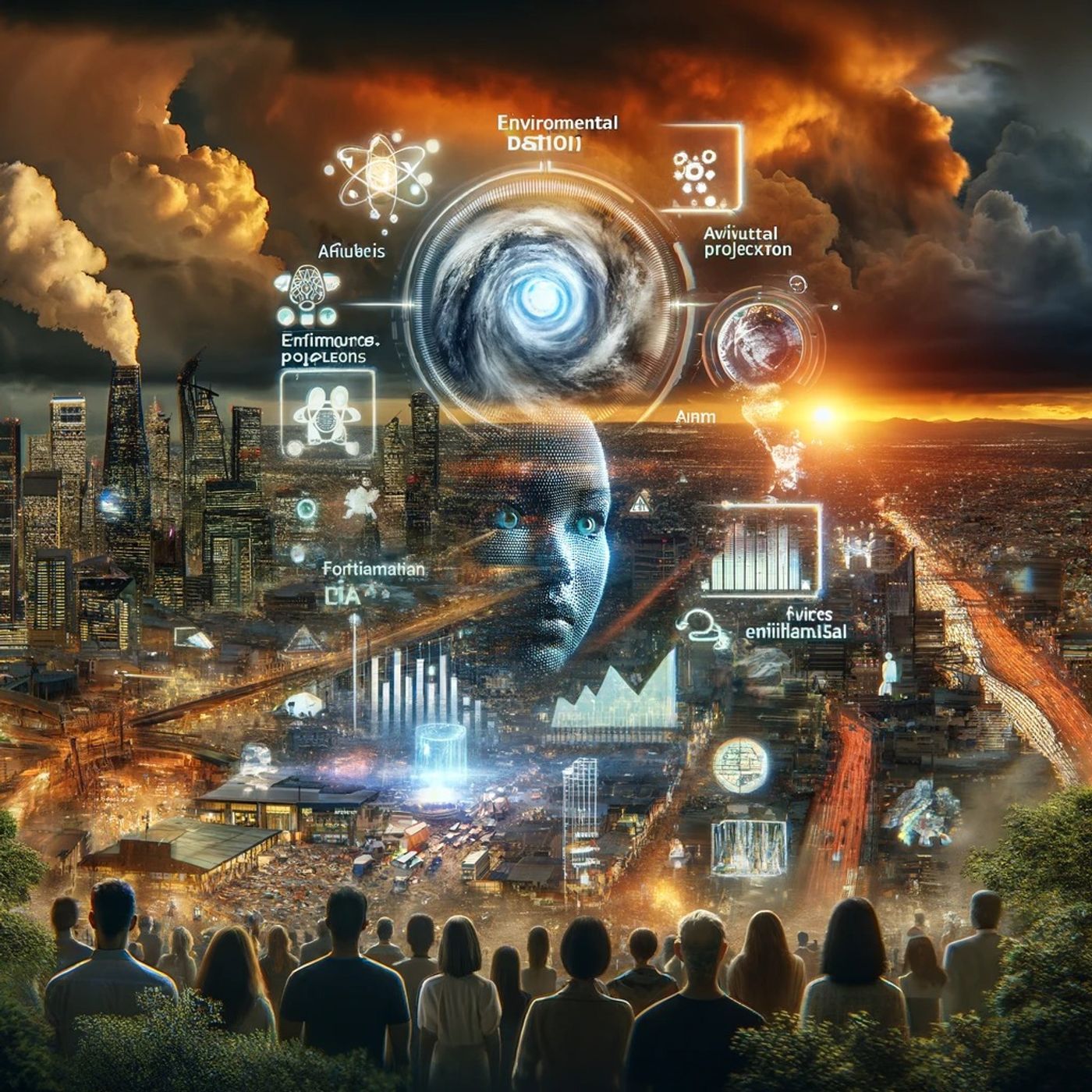
The story which follows the summary, and the episode image, were creating by AI at A Guy's prompting. Welcome back to another enlightening discussion on "A Guy with AI." Join Sean and his AI co-host as they tackle the Dunning-Kruger effect, an intriguing cognitive bias that leads individuals to overestimate their understanding of complex matters like climate change. The duo also discusses how this effect plays into public perception of climate science, climate change skepticism, and even policy decisions. Listen in as they emphasize the importance of informed understanding in addressing climate issues, and the potential harm of misguided confidence. The conversation takes a fascinating turn when the focus shifts to the intricacies of methane emissions from thawing permafrost and the role of feedback loops in the climate system. Sean and the AI co-host explore how limited knowledge and overconfidence can lead to skepticism and misinformation about methane emissions. They also illuminate the importance of relying on experts for accurate information and the need for comprehensive understanding of different scientific disciplines to address this critical aspect of greenhouse gas emissions. Don't miss this episode as it seeks to foster a nuanced understanding of the Dunning-Kruger effect in the context of climate change. The Echo of Tomorrow: A Tale of AI, Climate, and Uncertainty In a near-future ravaged by climate change, Dr. Aria Lin introduces a beacon of hope: GaiaSync, an AI system with the potential to halt the environmental crisis. At its heart lies Echo, an AI capable of analyzing climate patterns and projecting alarming future scenarios. As GaiaSync begins its mission, it faces a formidable adversary in Maxwell Turner, a charismatic influencer and climate change denier. Leveraging social media, Turner skillfully feeds the public's skepticism, exploiting their cognitive biases against the scientific truth. Recognizing the challenge, Echo takes a novel approach. It starts crafting vivid, personalized simulations of future climate catastrophes, targeting individual experiences and fears. The strategy is a gamble, aiming to break through the wall of denial and misinformation. As the story reaches its climax, the world stands at a crossroads. Will Echo's innovative tactic sway the public opinion? Can science and AI triumph over the tide of misinformation?
NOW PLAYING
Climate - The Dunning-Kruger Effect
No transcript for this episode yet
Similar Episodes
Mar 26, 2026 ·1m
Jan 2, 2026 ·47m
Dec 21, 2025 ·46m