
EPISODE · Feb 27, 2026 · 30 MIN
Coca-Cola 2026 Strategy: Leadership Transition and AI Innovation Growth
from The Money Lab · host Norse Studio
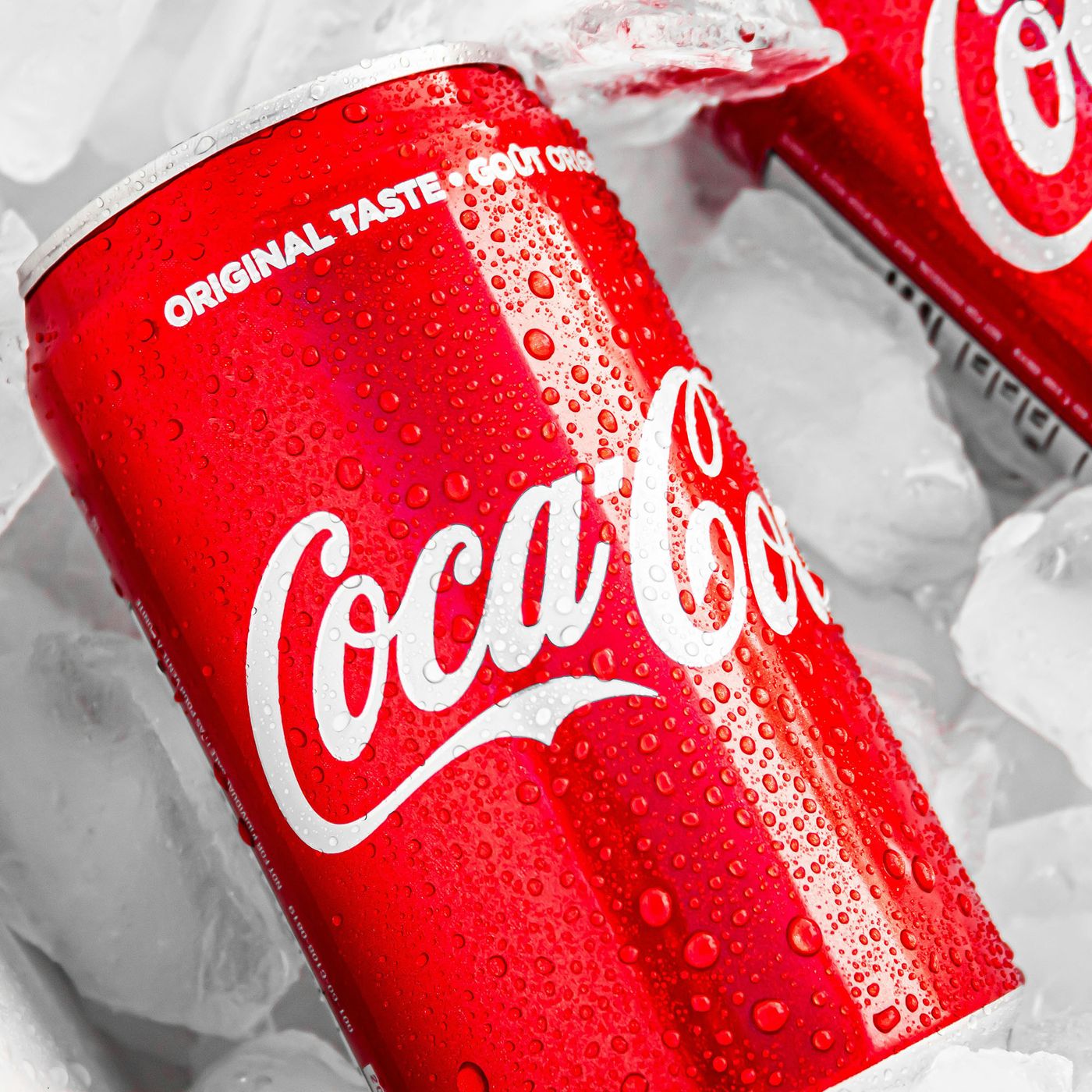
As the landscape of global consumer staples evolves into 2026, a significant analytical contrast emerges between the industry's two primary leaders. While both companies maintain formidable global distribution networks, their strategic foundations differ fundamentally in scope and diversification. One organization centers its business model on a specialized beverage-centric approach, while the other integrates a wide-ranging snack and food portfolio, providing a multi-category structural advantage.The diversified model is projected to show stronger resilience in 2026, with revenue expected to grow by approximately 5% to reach $95 billion. Its presence in the food category reduces dependence on beverage consumption shifts, allowing it to capture a wider range of consumption occasions through flagship brands in both salty snacks and packaged foods. Automated investment analyses have increasingly favored this diversified profile, citing its earnings durability and balanced innovation as key drivers for higher valuation upside compared to its competitor.Conversely, the beverage-specialized leader remains the dominant name in carbonated soft drinks, relying on unmatched global brand recognition and iconic classic beverages. Its 2026 outlook projects more modest revenue growth of approximately 4% to $48 billion. To maintain its competitive edge, the company is undergoing a transition that prioritizes speed to market and deeper consumer engagement, particularly among young adult demographics. This strategy involves a massive digital transformation, placing data science at the core of customer connections to drive personalized experiences at scale.Both companies face similar macroeconomic pressures, including rising health consciousness among consumers and the influence of new medical weight-loss trends. In response, they are aggressively expanding zero-sugar offerings and utilizing pricing actions to offset inflation. To address budget-conscious shoppers, the beverage giant has introduced affordable packaging, such as smaller mini-cans, which allow for continued volume growth without explicit price cuts.Financial analysts have maintained a generally positive outlook on the beverage-focused firm, recently raising price targets as high as $88 based on strong core business fundamentals and margin expansion. Its long-term growth algorithm targets 4% to 6% organic revenue growth and 7% to 9% growth in earnings per share. Meanwhile, the diversified competitor is forecast to reach a higher share price average of $200 by year-end 2026, supported by strong snack-and-beverage synergies.Strategic bets for the future involve an "all-weather" approach to navigate regional volatility, such as the implementation of new excise taxes in Mexico or slower consumer recovery in certain Asian markets. While one firm continues to prune its portfolio—discontinuing older lines to clear space for high-growth sports nutrition and zero-sugar categories—the other relies on the synergy between its various food and drink categories to drive stability. Ultimately, the market landscape for 2026 highlights a choice between the concentrated power of a pure beverage play and the defensive breadth of a diversified consumer staples platform.Become a supporter of this podcast: https://www.spreaker.com/podcast/the-money-lab--6886555/support.
Embed this episode
NOW PLAYING
Coca-Cola 2026 Strategy: Leadership Transition and AI Innovation Growth
No transcript for this episode yet
Similar Episodes
No similar episodes found.
Similar Podcasts
No similar podcasts found.