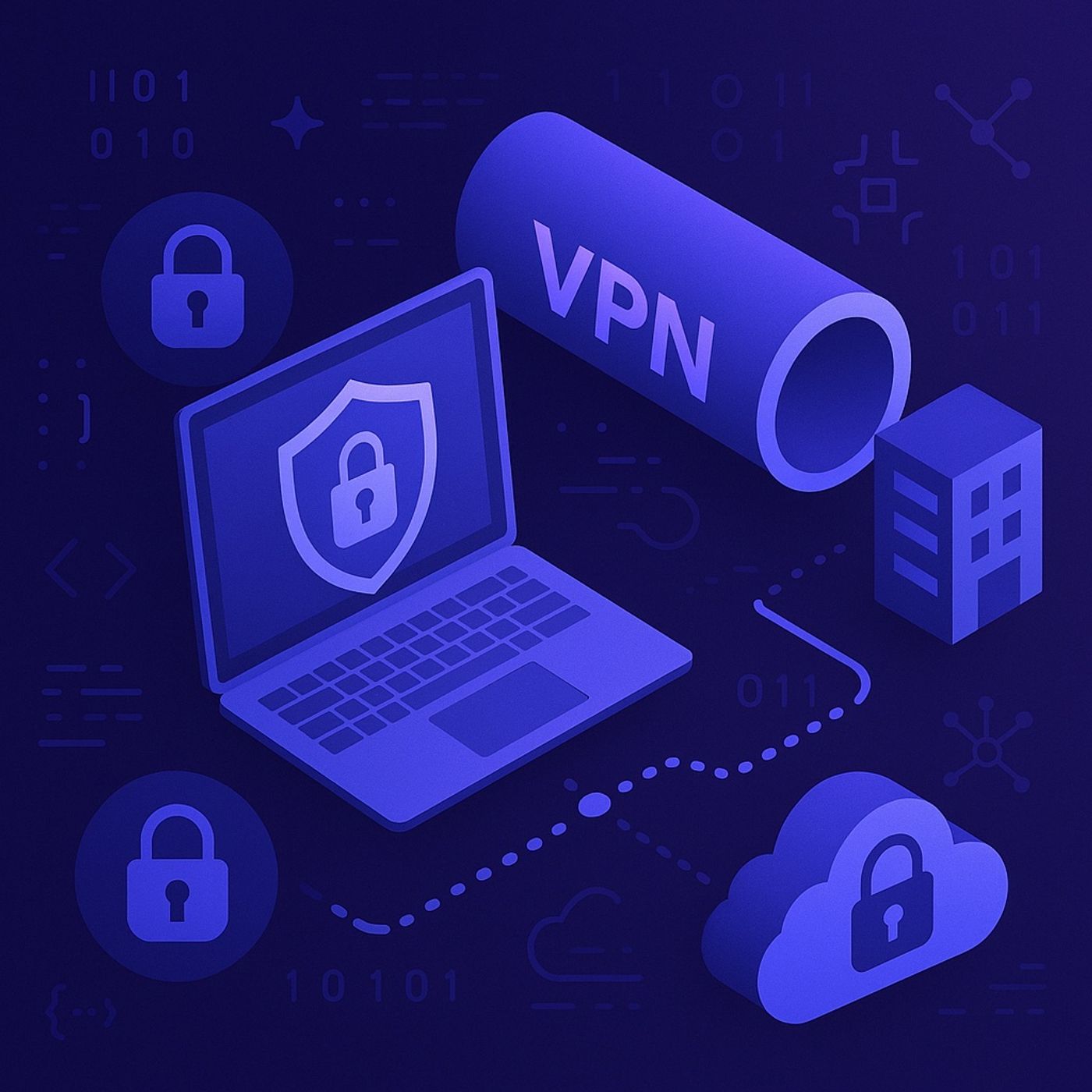
Course 10 - Network Security Fundamentals | Episode 4: VPNs, Tunneling, and Secure Remote Access Technologies episode artwork

EPISODE · Nov 25, 2025 · 9 MIN

Course 10 - Network Security Fundamentals | Episode 4: VPNs, Tunneling, and Secure Remote Access Technologies

from CyberCode Academy · host CyberCode Academy

In this lesson, you’ll learn about:What VPNs are and why organizations rely on themHow tunneling works and how VPNs secure data in transitKey VPN protocols (TLS, L2TP/IPsec, AH, ESP) and what each providesHow organizations manage secure remote access for usersAAA systems for authentication, authorization, and auditingAdministrative considerations for supporting remote workers securelyVPNs, Tunneling, and Secure Remote Access — Explained 1. Core VPN ConceptsA Virtual Private Network (VPN) creates a virtual, encrypted connection over an untrusted network (like the internet).VPNs protect communications through:Confidentiality: Encryption hides data from attackers.Integrity: Hashing ensures data isn’t modified.AAA: Authentication, Authorization, and Auditing/Accounting.VPNs are essential for users working remotely, on public Wi-Fi, or in locations with weak security.They defend against attacks such as:Traffic sniffingIMSI-catcher attacks on mobile networksUnauthorized access to internal systems2. Tunneling TechnologyTunneling means encapsulating one network packet inside another using TCP/IP.Encryption can be applied at different OSI layers depending on the protocol.Tunneling allows remote users to securely reach internal networks as if they were physically inside the office.3. Major VPN Protocols A. TLS VPN (Layer 4)Uses Transport Layer Security (TLS) to secure remote access.Accessible through a browser (sometimes called SSL/TLS VPN).Must be protected with account lockout policies to block brute-force login attempts.B. L2TP/IPsecCombines L2TP (Layer 2) for tunneling + IPsec (Layer 3) for encryption.IPsec includes two main components:AH (Authentication Header)Provides integrity, authentication, and non-repudiation.ESP (Encapsulating Security Payload)Provides encryption at Layer 3 so attackers cannot read data.Often used for site-to-site VPNs or permanent remote connections.4. Remote Access RequirementsOrganizations must consider:User bandwidth (slow connections → poor performance).Encryption strength (weak encryption → vulnerabilities).Compatibility with firewall/VPN gateway settings.Monitoring and logging of remote sessions to detect misuse.Remote workers may face obstacles like:Poor-quality internet (e.g., remote regions)Location-based blocks (e.g., Great Firewall of China)5. AAA Systems for Secure AccessAAA = Authentication, Authorization, Auditing/AccountingCommon systems include:RADIUSDiameter (successor to RADIUS)TACACSActive Directory / SSO systems for unified authenticationLogs created during the accounting phase help detect misuse.6. Remote Access Tools Organizations choose tools based on how much access they want to grant:Full desktop control:RDP, VNC, TeamViewer, LogMeIn, Splashtop, CitrixLimited function access (e.g., email only):More restrictive remote gatewaysSecurity teams must:Regularly patch these toolsRestrict access rightsAlign tool capabilities with organizational security goals7. Administrative Policies for Remote WorkersClear rules must define who:Supports equipmentFixes or replaces damaged devicesHandles user connectivity issuesPolicies reduce ambiguity and prevent security gaps.You can listen and download our episodes for free on more than 10 different platforms:https://linktr.ee/cybercode_academy

In this lesson, you’ll learn about:What VPNs are and why organizations rely on themHow tunneling works and how VPNs secure data in transitKey VPN protocols (TLS, L2TP/IPsec, AH, ESP) and what each providesHow organizations manage secure remote access for usersAAA systems for authentication, authorization, and auditingAdministrative considerations for supporting remote workers securelyVPNs, Tunneling, and Secure Remote Access — Explained 1. Core VPN ConceptsA Virtual Private Network (VPN) creates a virtual, encrypted connection over an untrusted network (like the internet).VPNs protect communications through:Confidentiality: Encryption hides data from attackers.Integrity: Hashing ensures data isn’t modified.AAA: Authentication, Authorization, and Auditing/Accounting.VPNs are essential for users working remotely, on public Wi-Fi, or in locations with weak security.They defend against attacks such as:Traffic sniffingIMSI-catcher attacks on mobile networksUnauthorized access to internal systems2. Tunneling TechnologyTunneling means encapsulating one network packet inside another using TCP/IP.Encryption can be applied at different OSI layers depending on the protocol.Tunneling allows remote users to securely reach internal networks as if they were physically inside the office.3. Major VPN Protocols A. TLS VPN (Layer 4)Uses Transport Layer Security (TLS) to secure remote access.Accessible through a browser (sometimes called SSL/TLS VPN).Must be protected with account lockout policies to block brute-force login attempts.B. L2TP/IPsecCombines L2TP (Layer 2) for tunneling + IPsec (Layer 3) for encryption.IPsec includes two main components:AH (Authentication Header)Provides integrity, authentication, and non-repudiation.ESP (Encapsulating Security Payload)Provides encryption at Layer 3 so attackers cannot read data.Often used for site-to-site VPNs or permanent remote connections.4. Remote Access RequirementsOrganizations must consider:User bandwidth (slow connections → poor performance).Encryption strength (weak encryption → vulnerabilities).Compatibility with firewall/VPN gateway settings.Monitoring and logging of remote sessions to detect misuse.Remote workers may face obstacles like:Poor-quality internet (e.g., remote regions)Location-based blocks (e.g., Great Firewall of China)5. AAA Systems for Secure AccessAAA = Authentication, Authorization, Auditing/AccountingCommon systems include:RADIUSDiameter (successor to RADIUS)TACACSActive Directory / SSO systems for unified authenticationLogs created during the accounting phase help detect misuse.6. Remote Access Tools Organizations choose tools based on how much access they want to grant:Full desktop control:RDP, VNC, TeamViewer, LogMeIn, Splashtop, CitrixLimited function access (e.g., email only):More restrictive remote gatewaysSecurity teams must:Regularly patch these toolsRestrict access rightsAlign tool capabilities...

NOW PLAYING

Course 10 - Network Security Fundamentals | Episode 4: VPNs, Tunneling, and Secure Remote Access Technologies

0:00 9:36

No transcript for this episode yet

We transcribe on demand. Request one and we'll notify you when it's ready — usually under 10 minutes.

Lead with Faith: Empowering the Next Generation Jermaine Whiteside The Empowering Future Leaders Podcast – Presented by Anointed Connect Academy and hosted by Jermaine E. Whiteside, Doctoral Candidate in Christian Education, this podcast is your gateway to faith-driven leadership, lifelong learning, and real-world success strategies. Each episode blends inspiration with action, spotlighting career pathways, professional exam preparation, and innovative educational resources designed to equip the next generation of leaders.With candid conversations, expert insights, and transformative stories from students, educators, and industry leaders, we address the challenges facing at-risk and underserved communities while providing tangible tools to overcome them. Rooted in Christian values and a commitment to generational impact, this podcast empowers students, parents, and professionals to break barriers, build skills, and boldly pursue their God-given purpose. Reconnect Radio Tara Kemp, PhD Reconnect Radio is a show for mindful women seeking a more aligned life. Hosted by leading mental health expert, researcher, and coach Tara Kemp, PhD - each episode brings the latest evidence-based tools, practical tips, and personal stories to support you in building a healthy relationship with food, your body, and yourself. If you’re ready to do the inner work that will lead you to thrive in your most authentic and aligned life, hit the follow button and get ready to experience true healing and transformation.Follow Tara on Instagram @tarakemp_ : https://www.instagram.com/tarakemp_Join Reconnect’s FREE Private Facebook Community for Plant-based Women: https://www.facebook.com/groups/reconnectplantbasedwomenSign up for Reconnect Academy: https://www.reconnectcollective.com/reconnect-academyLearn about other Reconnect Collective programs: https://www.reconnectcollective.com The Injury Prevention Academy Podcast DORN Companies Welcome to The Injury Prevention Academy Podcast with DORN!Tune in for your ultimate source of cutting-edge insights on workplace injury prevention, safety, ergonomics and wellness. Hosted by DORN and Cheryl Roy, this podcast is your go-to destination for staying informed about the latest news, trends, and data in the realm of employee well-being and workplace safety.Join us as we bring you expert interviews and thought-provoking discussions with leading voices in the field. Our goal? Empowering you to create safer, healthier work environments for your valued employees.🌟 Key Highlights 🌟🔍 Stay Updated: Get the freshest news and data surrounding workplace injury prevention, ergonomics and safety.🧠 Expert Insights: Discover valuable insights from experts covering pain management, injury prevention, safety programs and technology.🤝 Supportive Strategies: Gain actionable strategies to prioritize the safety and well-being of your employees.Whether you're a business owner, HR prof Fearless Podcasting Academy | Unlock Your Voice and Audience Dr. Stephanie Dean | Podcasting Strategist Your voice has the power to inspire, impact, and ignite change—but only if people hear it. Join Dr. Stephanie Dean at Fearless Podcasting Academy, where creators and entrepreneurs learn podcasting strategies to amplify their voices and build podcasts that demand attention. Here, we don't just talk about podcasting. We talk about bold storytelling, creative innovation, and the courage to show up unapologetically. Whether you're launching your first episode or leveling up your platform, you'll get proven strategies, expert insights, and the confidence to make your message matter. Because your story isn't just worth telling—it's worth hearing. Hit subscribe and step into your fearless voice.

Frequently Asked Questions

How long is this episode of CyberCode Academy?

This episode is 9 minutes long.

When was this CyberCode Academy episode published?

This episode was published on November 25, 2025.

What is this episode about?

In this lesson, you’ll learn about:What VPNs are and why organizations rely on themHow tunneling works and how VPNs secure data in transitKey VPN protocols (TLS, L2TP/IPsec, AH, ESP) and what each providesHow organizations manage secure remote...

Is there a transcript available for this episode?

Yes, a full transcript is available for this episode. You can read the complete transcript on the episode page.

Can I download this CyberCode Academy episode?

Yes, you can download this episode by clicking the download button on the episode player, or subscribe to the podcast in your preferred podcast app for automatic downloads.
URL copied to clipboard!