
EPISODE · Jan 2, 2026 · 9 MIN
Course 16 - Red Team Ethical Hacking Beginner Course | Episode 5: Windows Lateral Movement: Manual Execution via WMIC, Scheduled Tasks
from CyberCode Academy · host CyberCode Academy
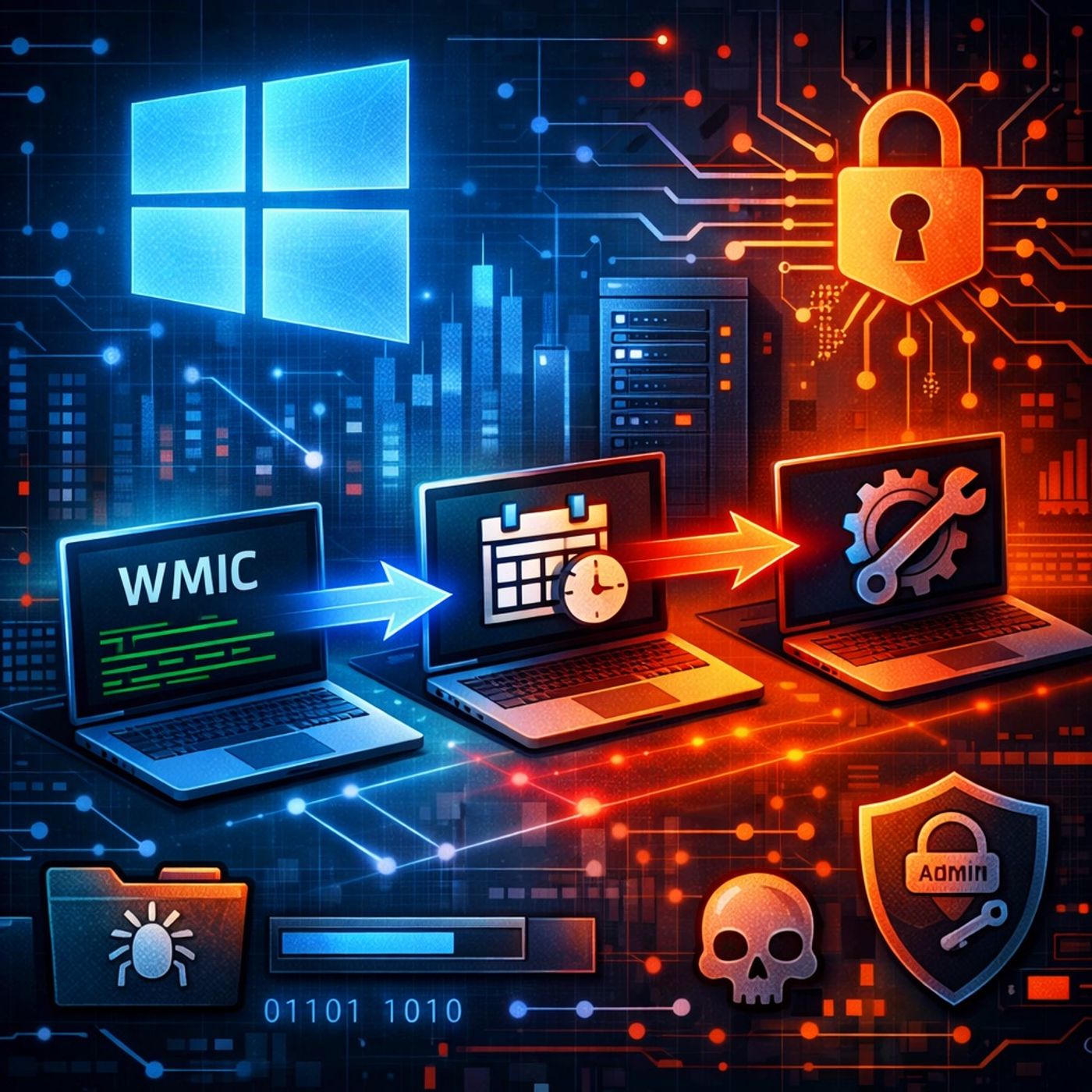
In this lesson, you’ll learn about:The purpose of manual lateral movement in red team operationsWhy native Windows utilities are critical for stealth and reliabilityThree core lateral movement methodologies used in authorized engagementsPrivilege context differences between execution methodsHow these techniques relate to common automated toolsOverview This lesson delivers a technical deep dive into manual lateral movement within Windows domain environments. Lateral movement refers to the ability to pivot from one compromised system to another after obtaining elevated credentials—most commonly domain administrative access. Rather than relying on automated frameworks, this episode emphasizes manual techniques using native Windows functionality, which are:Less noisyMore flexibleHarder to detect when used responsibly in controlled testingAll techniques discussed assume explicit authorization, proper scoping, and a professional red team context. 1. Lateral Movement Using WMIC Concept WMIC (Windows Management Instrumentation Command) allows administrators to remotely interact with systems using the Windows Management Infrastructure. MethodologyThe attacker targets a remote host by explicitly specifying itRemote interaction is used to:Validate accessConfirm file placementTrigger execution of an existing payloadKey CharacteristicsRequires administrative privileges on the targetExecution occurs under the credential context of the initiating userCommonly used for:Quick pivotsTesting administrative accessLightweight remote executionOperational Insight This method is simple and effective but does not automatically grant SYSTEM-level access. The resulting execution inherits the privileges of the domain admin account used. 2. Lateral Movement Using Scheduled Tasks Concept Windows Scheduled Tasks provide a powerful mechanism to execute actions on remote systems at defined times or conditions. MethodologyA payload is staged on the target systemA task is created remotely with:A one-time executionImmediate triggering behaviorExecution configured under a high-privilege accountKey CharacteristicsCan execute under NT AUTHORITY\SYSTEMAllows privilege escalation beyond domain adminThe “run once” approach prevents repeated executionOperational Insight This technique is widely used in red team engagements because it:Mimics legitimate administrative behaviorBlends into system management activityProvides strong control over execution timing3. Lateral Movement Using Service Control Manager (SCM) Concept The Service Control Manager manages Windows services, which inherently run with elevated privileges. MethodologyA specially designed service-compatible executable is requiredThe payload is registered as a new service on the targetStarting the service triggers execution automaticallyKey CharacteristicsExecutes as SYSTEM by defaultExplains the mechanics behind tools like PsExecRequires careful payload preparation due to service constraintsOperational Insight Because services are tightly integrated with Windows internals, this method is:Extremely powerfulHighly privilegedMore detectable if not carefully managedProfessional red teamers use this method sparingly and responsibly. Privilege Context ComparisonMethodPrivilege LevelKey Use CaseWMICDomain AdminFast pivot, low complexityScheduled TasksSYSTEMPrivilege escalation, persistenceSCMSYSTEMService-based execution, tool emulationWhy Manual Lateral Movement Matters Automated tools abstract these techniques, but defenders detect tools—not concepts. Understanding manual execution:Improves adaptabilityEnables stealthier operationsAllows red teamers to troubleshoot automated failuresStrengthens blue team detection engineeringConceptual Analogy Imagine having the master key to a secured facility:WMIC is like using the internal intercom to instruct a specific room to start a taskScheduled Tasks is like setting a high-priority automated instruction that executes instantlySCM is like installing new maintenance equipment that always runs with full facility authorityEach method achieves access—but with different levels of control and visibility. Key Educational TakeawaysLateral movement depends on credentials, not exploitsNative Windows tools are powerful and flexiblePrivilege context matters more than execution successManual techniques explain how automated tools workProfessional engagements require precision, restraint, and cleanupYou can listen and download our episodes for free on more than 10 different platforms:https://linktr.ee/cybercode_academy
Embed this episode
Ready to play
Course 16 - Red Team Ethical Hacking Beginner Course | Episode 5: Windows Lateral Movement: Manual Execution via WMIC, Scheduled Tasks
No transcript for this episode yet
Similar Episodes
Apr 17, 2026 ·13m