
EPISODE · Nov 14, 2025 · 12 MIN
Course 7 - Secure SDLC (Software Development Life Cycle) | Episode 1: Approaches, Eight Phases, and Risk Management
from CyberCode Academy · host CyberCode Academy
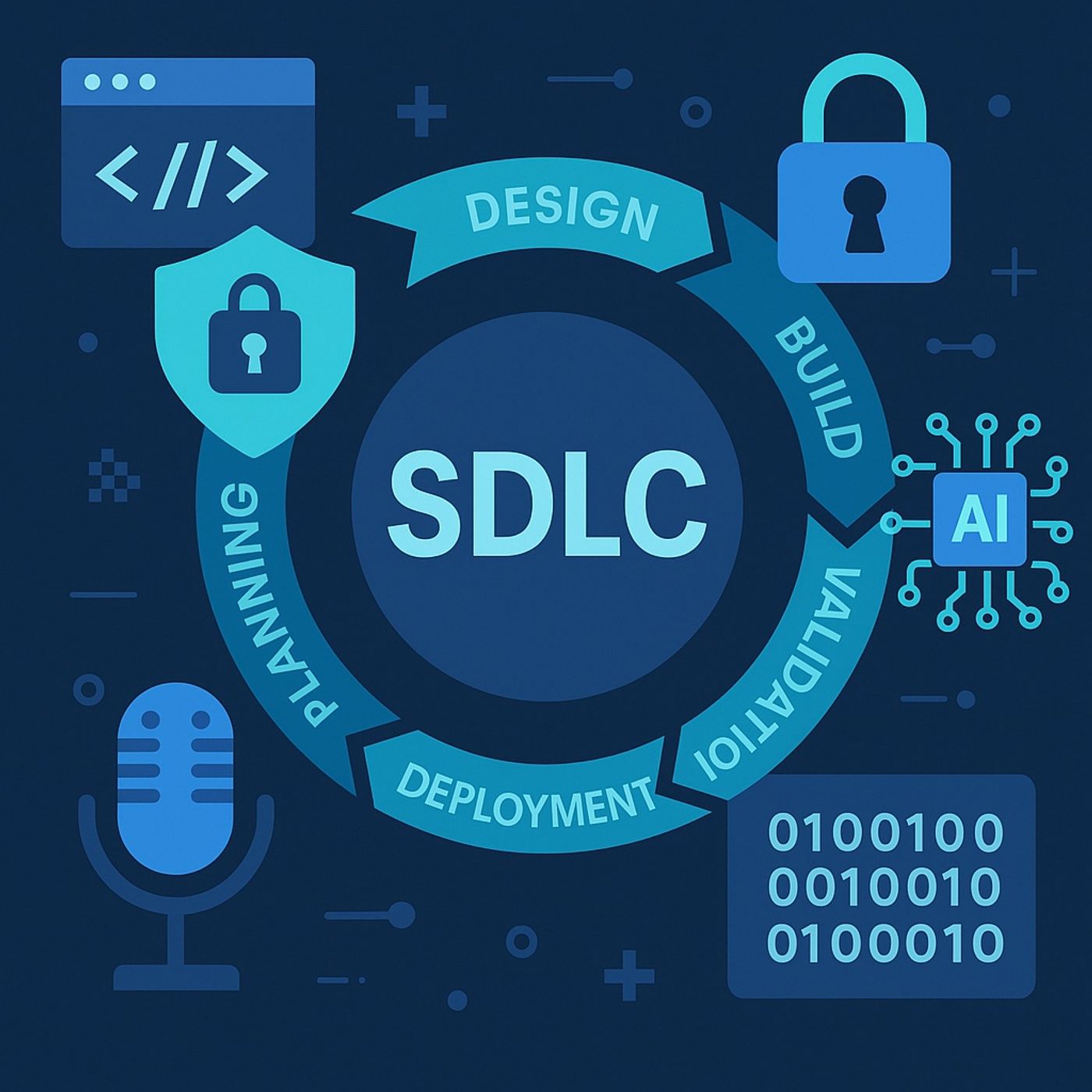
In this lesson, you’ll learn about: Secure Software Development Life Cycle (Secure SDLC) — Full OverviewDefinition of Secure SDLCA framework that integrates security into every phase of system development:Planning → Design → Build → Validation → Deployment → MaintenanceWhy Secure SDLC MattersRising security concerns: DDoS, account takeover, OWASP Top 10Managing business risks such as breach penaltiesAchieving GRC (Governance, Risk Management, Compliance) with PCI DSS, HIPAA, GDPR/CCPAEnabling the Shift Left strategy to catch gaps early and reduce cost, time, and effort laterApproaches to Secure SDLCProactive Approach (for new systems)Preventing and protecting against known threats in advanceSecuring code and configurations early in the development processReactive Approach (for existing systems)Detecting and stopping threats before exploitation or breachActing as a corrective controlThe Eight Secure SDLC PhasesAwareness TrainingRegular security training, phishing exercises, and compliance awarenessNote: 93% of successful breaches begin with phishingSecure RequirementsPlanning phase to define and continuously update security requirements based on functionality and GRC expectationsSecure DesignArchitectural phase to establish secure requirementsSelecting appropriate secure design principles and patternsSecure BuildImplementation phase focused on building secure systemsUsing standardized, repeatable componentsApplying Static Application Security Testing (SAST)Secure DeploymentEnsuring security and integrity during the deployment processEmphasizing automation and protecting sensitive data (passwords, tokens)Secure ValidationValidating artifacts through security testing such as:Dynamic Application Security Testing (DAST), fuzzing, penetration testingSecure ResponseOperations and maintenanceExecuting the incident response planActive monitoring and responding to threats to maintain Confidentiality, Integrity, and Availability (CIA)Collaborative ModelAn approach used to solve security issues in enterprise or distributed environmentsInvolves collaboration among development, security, QA, and operationsSecure SDLC Snapshot & Performance ViewBottom → Top:Shows investment and performance (proactive approach)Top → Bottom:Shows remediation cost (reactive approach)Risk Management & Threat Analysis Impact StudyThreats:Possible dangers (intentional or accidental) like hacking, natural disasters, phishing, password theft, shoulder surfing, and email malwareSecurity Incidents:Events where information assets are accessed, modified, or lost without authorizationVulnerabilities:Weaknesses that threats may exploitImpact:Outcome of threats and incidentsRisk Analysis & Scoring (NIST Representation)Risk = Likelihood × ImpactLikelihood depends on:Threats, incident history, ease of discovery, and ease of exploitImpact includes:Technical Impact: Loss of confidentiality, integrity, availability, accountabilityBusiness Impact: Financial loss, reputation damage, non-compliance, privacy violationsExample:Stored XSS = higher likelihood & higher impactReflected XSS = lower likelihood & moderate impactTaxonomy of an IncidentClassification includes:AttackersTools usedVulnerabilities targetedActions performedUnauthorized impact (information disclosure, DoS, manipulation)Objectives (financial gain, challenge, disruption)You can listen and download our episodes for free on more than 10 different platforms:https://linktr.ee/cybercode_academy
Embed this episode
Ready to play
Course 7 - Secure SDLC (Software Development Life Cycle) | Episode 1: Approaches, Eight Phases, and Risk Management
No transcript for this episode yet
Similar Episodes
No similar episodes found.